Key Notes
- Bank of America’s August data shows hobby spending rising 7.9%, faster than the 3.4% increase in transactions.
- Spending growth can reflect larger purchases and changing preferences as well as higher prices.
- Tracking equipment, subscriptions and recurring fees helps households see the full cost of leisure.
Americans are spending more on hobbies even as leisure becomes more expensive, highlighting a household budgeting challenge: replacing a costly trip or night out does not automatically make the alternative cheap.
Bank of America Institute’s latest analysis found hobby spending up 7.9% from a year earlier in August, compared with 3.4% growth in transactions. The findings point to rising spending per purchase as well as more purchases.
The trend, often called funflation, puts discretionary spending under a different spotlight. Households may be protecting the activities they value by rearranging their budgets, rather than simply spending more across the board.
Higher Spending Is Not the Same as Higher Prices
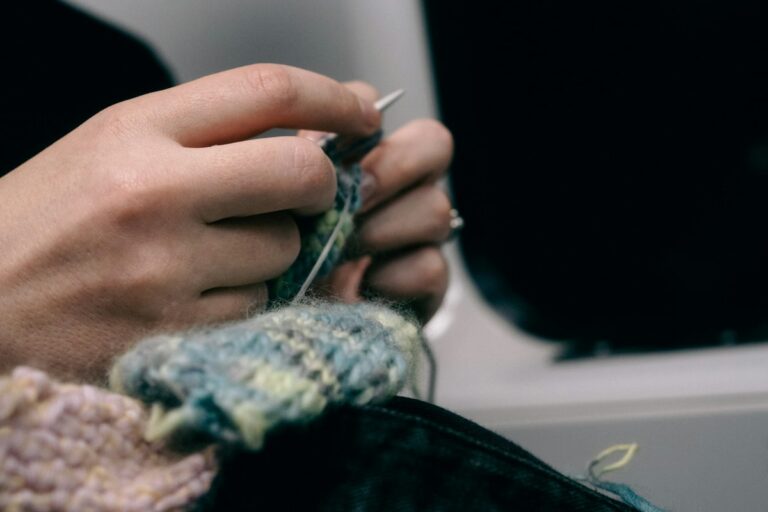
The bank’s hobby category covers arts and crafts, hobby shops and selected outdoor activities and retailers. It excludes travel and golf, while video games are analyzed separately. Its charts use three-month moving averages, helping smooth short-term fluctuations.
That scope matters. The figures cannot establish that the price of every hobby rose 7.9%. Spending can increase because people buy more items in one transaction, choose more expensive products, change activities or pay higher prices for the same purchase.
A household buying a tent and several accessories, for example, might spend more in a single visit than one replacing a small camping item. Transaction counts would not reveal the difference. The bank’s selected customer data also cannot capture every American household or every payment.
The Bureau of Labor Statistics’ August inflation report provides a separate price measure: its recreation index rose 2.7% over twelve months. That broader basket includes goods and services beyond the bank’s definition of hobbies, so the two measures should not be treated as interchangeable.
Consumers Can Cut Travel Without Giving Up Fun
University of Nottingham economist John Gathergood told CNBC that households can substitute between activities, with hobbies at home replacing holidays and home cooking replacing restaurant meals. His comments explain why a stronger hobby-spending figure can coexist with restraint elsewhere.
That is a useful distinction for personal finances. Spending an extra $50 on a recurring pastime may reduce total outgoings if it replaces a more expensive activity. If it is added on top of the old routine, however, it creates another expense. The relevant comparison is the change in the whole budget.
Nor does interest in cheaper recreation mean that everyone has stopped traveling. In an April consumer poll, PwC found 71% planned to spend as much or more on summer travel as the previous year. The survey, published in May, measured intentions rather than completed spending and predates the August hobby data.
The Full Cost of a Hobby Extends Beyond Equipment
For households reviewing discretionary costs, the first purchase is only part of the calculation. Materials, lessons, membership fees, maintenance and travel to activities can create a recurring bill even when the initial equipment looks affordable.
Consider a hypothetical $240 equipment purchase used twice a month for a year. The initial cost works out to $10 per session, before supplies or other expenses. Used only twice in total, it costs $120 per session. Frequency of use can matter as much as the sticker price.
Shared equipment, rentals and secondhand purchases can be useful ways to test an activity before committing to a larger expense. The comparison should include any rental charges, transport costs and replacement needs, rather than assuming the cheapest upfront option always costs least over time.
Make Leisure Spending Visible in the Budget
A practical review starts with recent account statements. Group hobby purchases, entertainment subscriptions and related fees together, then separate one-off costs from regular commitments. Looking across several months can reveal annual renewals or seasonal equipment purchases that a single month misses.
The Consumer Financial Protection Bureau offers budgeting tools for tracking spending, planning savings and creating a cash-flow budget. MarketSpeaker’s budgeting guide also explains how to plan for irregular expenses alongside everyday bills.
Setting a leisure allowance after essential expenses, debt payments and planned savings makes the trade-offs visible. For an occasional larger purchase, dividing its expected cost across the months before buying can help avoid treating it as an unexpected bill.
The objective is to preserve room for enjoyable activities while understanding what they actually cost. Rising hobby spending may reflect a deliberate change in priorities; the household test is whether those choices fit within available income without displacing more important commitments.