Key Notes
- Trump left open government stakes in OpenAI and Anthropic without announcing a transaction.
- Intel’s agreement provides a precedent involving passive ownership and restrictions on shareholder voting.
- Any AI investment would require clarity on valuation, funding and the rights attached to government shares.
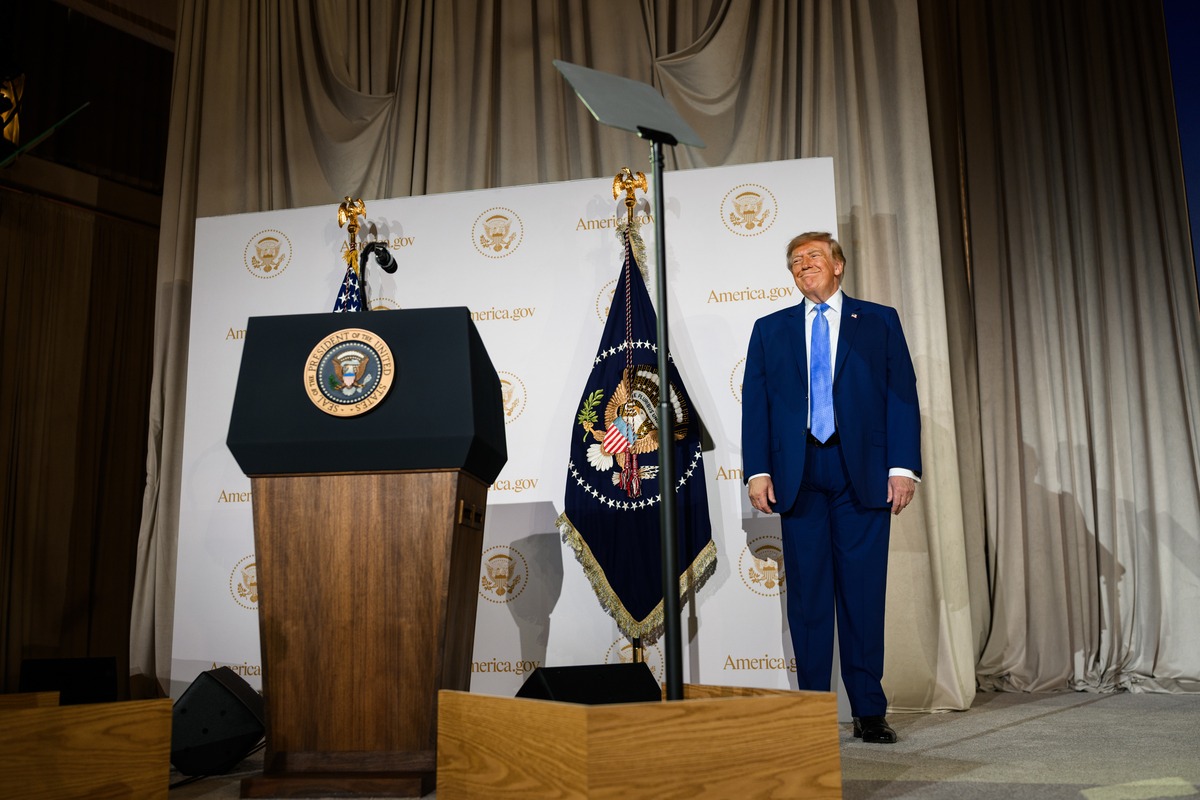
President Donald Trump said the U.S. government could take ownership stakes in OpenAI and Anthropic, raising the prospect of a direct financial interest in two leading artificial intelligence developers.
“I might. Maybe I could do that,” Trump told TIME when asked about extending the approach used with Intel to the AI companies. The interview took place on September 28 and was published October 1.
He rejected nationalizing the leading AI labs but left equity investments open. He did not announce a transaction, specify an ownership percentage or provide financing terms or a timetable.
Intel Provides the Financial Precedent
The comparison points to a transaction with a defined capital structure. Under Intel’s August 2025 agreement, the government committed $8.9 billion for common shares representing a 9.9% stake at the time of the announcement.
The funding comprised $5.7 billion of previously awarded but unpaid CHIPS Act grants and $3.2 billion from the Secure Enclave program. That structure tied the equity investment to existing federal support for semiconductor manufacturing.
Intel described the holding as passive, without board representation or additional governance or information rights. The government agreed to vote alongside the board on shareholder matters, subject to limited exceptions. The arrangement therefore involved voting restrictions, rather than a separate class of non-voting shares.
For an AI investment, comparable details would determine whether Washington was principally seeking financial returns or a more influential position. An ownership percentage alone would not establish how much control the government could exercise over a company’s decisions.
AI Funding Makes the Terms Important
The possibility comes as the sector’s largest developers pursue substantial financing. Bloomberg reported September 29 that OpenAI was targeting at least $30 billion at a roughly $1.4 trillion pre-money valuation. Those funding talks were preliminary and did not establish a completed transaction price.
Separately, Anthropic’s preparations for a public listing have brought its finances and technology risks into focus. Reuters’ review of its IPO prospectus described heavy operating losses alongside rapid revenue growth. Neither development establishes that a federal equity investment forms part of either company’s financing plans.
For existing shareholders, the difference between newly issued shares and a transfer of existing holdings would be significant. A new issuance could dilute their percentage ownership while providing capital or other consideration to the business. A purchase from a current shareholder would change the ownership register without automatically funding company operations.
Taxpayer exposure would also depend on the price and instrument. Common equity, preferred shares and warrants carry different economic rights, and the value of any holding could fall as well as rise. A stake would not itself guarantee a public return.
What a Formal Proposal Would Need to Explain
A concrete proposal would need to identify the legal authority, the source of funding or consideration, and the rights attached to the investment. Investors would also need to understand any restrictions on the government’s ability to sell shares and how subsequent financing could dilute its position.
Governance would be another central issue. Board seats, voting commitments and access to company information could make two stakes of identical size operate very differently. Any arrangement would need to clarify the relationship between the government’s commercial interest and its responsibilities as a regulator and customer.
Until terms are disclosed, the practical questions remain the price, the ownership rights and what each side would receive. Those details would determine the financial consequences for taxpayers, existing shareholders and the companies themselves.