
Nvidia’s China AI-Chip Share Falls to 34% as Huawei Gains Ground
Huawei reaches 28% of China’s AI-accelerator shipments as Nvidia’s share falls to 34%, highlighting export restrictions and stronger domestic competition.
Catch up quickly with the day’s most important and insightful stories. Our Stories of the Day category curates the standout articles across markets, economy, business, personal finance and innovation. Each post brings together multiple key developments, breaking news or deep-dive features chosen for their impact and relevance. It’s a fast, reliable way to understand what really matters today without scrolling through dozens of feeds. Whether you want a quick overview or a richer perspective, this section delivers the essential stories with context and clarity.
Huawei reaches 28% of China’s AI-accelerator shipments as Nvidia’s share falls to 34%, highlighting export restrictions and stronger domestic competition.
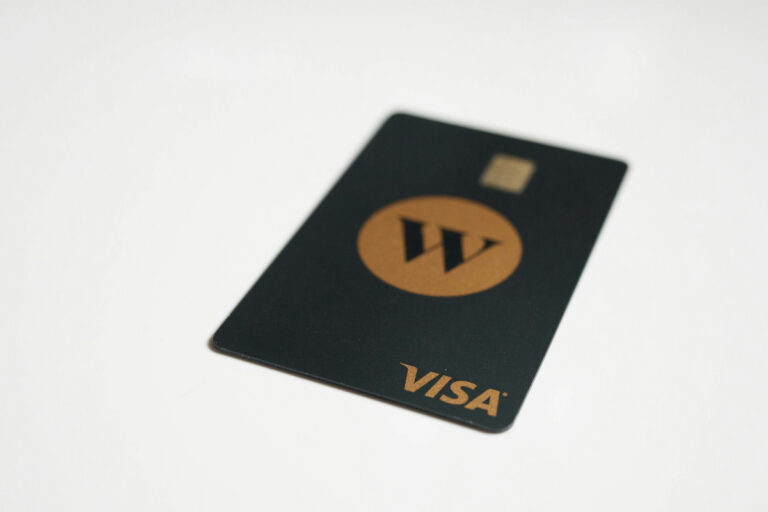
Visa receives Chinese central-bank approval to prepare a domestic bankcard-clearing institution, with an operating license still required before launch.

Samsung and SK hynix tumble on CXMT competition fears as South Korea approves blocks on 27 crypto websites and prepares for a 2027 digital-asset tax.

Goldman upgrades its three-month stock view and 12-month bond stance while retaining a preference for U.S. and Asian equities over Europe.
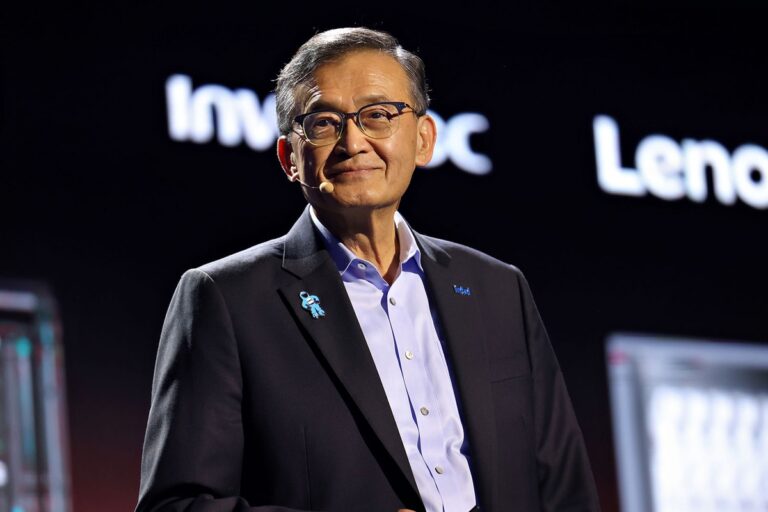
Intel and Broadcom’s CEOs warn that financing costs and investment returns could constrain the AI buildout even as computing demand remains strong.

Amazon’s reported $7 billion Decart talks could deepen an existing AWS partnership and bring AI chip-optimization software and real-time models in-house.

Italy’s higher deficit targets put its debt-reduction plans under scrutiny as Goldman Sachs warns about borrowing costs and election uncertainty.

The Dow rose 423 points as technology shares rebounded, helping Wall Street finish the week higher despite expensive oil and weaker consumer sentiment.
Verizon fell 8.75%, its worst day since 2002, while AT&T and T-Mobile suffered historic losses as SpaceX’s Starlink mobile plans rattled telecom stocks.

OpenAI reportedly targets at least $70 billion in annualized revenue by year-end, up from a roughly $50 billion pace at September’s close.
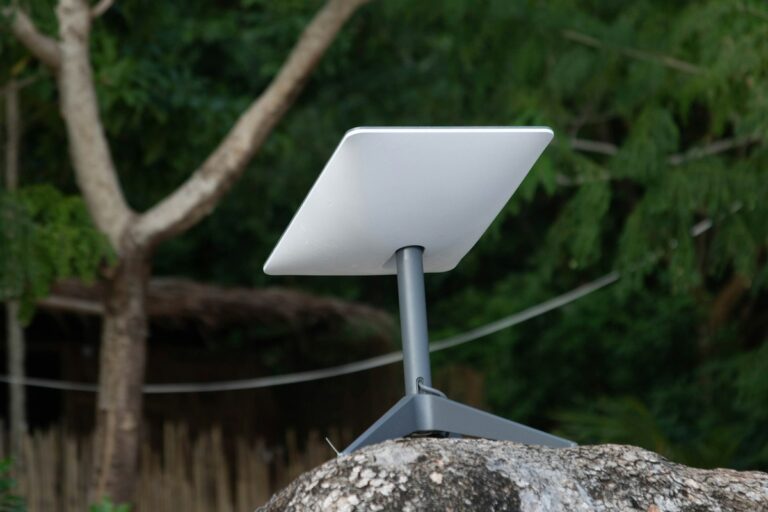
SpaceX’s Starlink mobile ambitions move closer after the FCC cleared 15,000 satellites and a waiver enabling service on company-controlled spectrum.

OpenAI’s annualized revenue neared $50 billion at September’s end, with partner-sales accounting explaining the gap from earlier $70 billion reports.