A recession is a broad decline in economic activity. Learn how recessions are defined, what causes them, which warning signs matter, and how economies and markets recover.
A recession is a broad and meaningful decline in economic activity. It can affect employment, household income, company revenue, government finances, and financial markets, but no two recessions unfold in exactly the same way. Some are brief and concentrated, while others produce deep losses that take years to repair.
Recessions are easier to understand when viewed as part of the business cycle rather than as isolated disasters. This guide explains how downturns are identified, what can cause them, and how policy may respond. It connects with our guides to GDP, unemployment, interest rates, and monetary policy.
How Is a Recession Defined?
A popular rule defines recession as two consecutive quarters of falling real GDP. This technical definition is simple and useful, but it is not universal. Some official bodies examine whether weakness is significant, persistent, and spread across the economy, using production, employment, real income, and sales as well as GDP.
The broader approach matters because data are noisy and revised. A small quarterly decline followed by another small decline may feel different from a sudden collapse in jobs and output. Conversely, GDP can remain positive because one component is strong even while many households and industries experience recession-like conditions.
A recession is not the same as slower growth. An economy expanding at 1% is growing slowly, while an economy shrinking is experiencing negative growth. Nor is recession identical to depression, a non-technical term generally reserved for an exceptionally severe and prolonged contraction.
What Causes Recessions?
Downturns can begin with a financial crisis, an external shock, restrictive policy, collapsing confidence, or the correction of an investment boom. Banks that suffer large losses may reduce credit, forcing households and companies to cut spending. A surge in energy prices can squeeze real incomes and production at the same time.
Inflation can prompt central banks to raise rates until demand slows sharply. Higher borrowing costs reduce interest-sensitive spending, weaken construction, and make refinancing harder. That does not mean every rate increase causes recession; the result depends on inflation, financial resilience, household balance sheets, and how quickly policy changes.
Shocks often interact with existing vulnerabilities. Heavy debt, inflated asset prices, weak banks, or concentrated exports can amplify an otherwise manageable event. Economists therefore study transmission channels rather than searching for one cause.
Warning Signs Economists Watch
No indicator predicts every recession. Analysts monitor falling new orders, weaker consumer confidence, tighter lending standards, declining building activity, and widening credit spreads. Rising jobless claims can show that labor demand is deteriorating before the unemployment rate has moved far.
The yield curve receives attention when short-term government yields rise above longer-term yields. Such an inversion can reflect expectations that tight policy will weaken growth and eventually require rate cuts. It has preceded several recessions, but the timing varies and false signals are possible.
Leading indicators should be read as a group. A single weak survey or volatile monthly release may reflect temporary noise. A convincing warning emerges when production, income, labor, credit, and spending evidence begin telling the same story.
How Recessions Affect Households and Companies
Job losses are the most direct household effect. Reduced hours, smaller bonuses, and slower wage growth can spread the pressure beyond people who become unemployed. Families may postpone large purchases, build emergency savings, or struggle with debt payments just as lenders become more cautious.
Companies face weaker demand and greater uncertainty. Revenue can fall faster than costs, particularly for businesses with high fixed costs. Management may cut inventories, investment, hiring, and marketing. Smaller firms and highly leveraged companies often have less room to absorb the shock.
The effects are uneven. Essential services may remain relatively stable, exporters can benefit from currency changes, and well-capitalized companies may gain market share. Recession describes the aggregate economy, not an identical experience for every industry or person.
What Happens in Financial Markets?
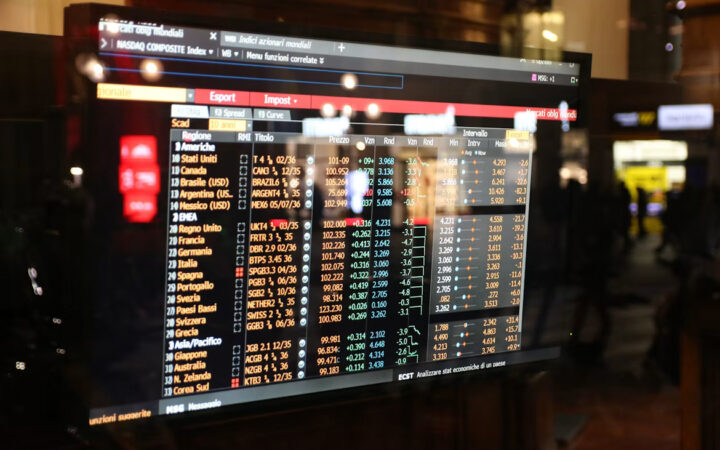
Markets look ahead, so asset prices may fall before recession begins and recover before economic data improve. Expected company profits often decline, credit-risk premiums rise, and investors may favor liquid, high-quality assets. Government bond yields can fall when markets expect lower inflation and policy-rate cuts.
There is no guaranteed recession trade. Inflationary downturns can keep bond yields high, while a banking crisis may damage financial shares more than defensive sectors. Valuations at the starting point and the policy response influence returns as much as the recession label.
Long-term investors should distinguish market volatility from changes in their own time horizon and risk capacity. Selling after a large decline can crystallize losses, but holding excessive leverage or inadequate cash can also be dangerous. A diversified plan is more reliable than trying to identify the exact beginning and end.
How Governments and Central Banks Respond
Central banks may cut interest rates, supply liquidity, or purchase assets to support credit. Our monetary policy guide explains why those measures affect the economy with delays and why inflation can restrict the freedom to ease.
Governments can increase spending, reduce taxes, extend unemployment support, or guarantee lending. Some support occurs automatically: tax payments fall and benefit spending rises as the economy weakens. Discretionary measures can be targeted but may arrive slowly or add to public debt.
Good policy tries to limit lasting damage without preventing necessary adjustment. Supporting solvent businesses and household income can preserve productive capacity, while indiscriminate support may keep resources trapped in failing activities. Timing, scale, targeting, and credibility all matter.
Recovery and the Risk of a Double Dip
Recovery begins when output stops falling and starts expanding, but the level of activity may remain below its earlier peak. Employment often recovers later because companies first increase hours and productivity before adding staff. Debt repair and lost investment can keep growth subdued.
Recoveries take different shapes. A rapid rebound follows some temporary shocks, while a financial crisis can produce a slow repair. A W-shaped recovery occurs when an initial improvement is followed by another contraction before growth resumes.
Structural change may accelerate during a downturn. New technologies, business models, and consumer habits can expand while older activities shrink. Headline recovery can therefore coexist with persistent hardship in particular regions or occupations.
The Bottom Line for Beginners
A recession is a widespread contraction, not merely a frightening headline or one weak statistic. GDP, jobs, income, production, sales, and credit conditions together reveal its breadth and severity. The exact start and end may be confirmed only after revisions.
Understanding the mechanism is more useful than predicting an exact date. Watch how shocks affect spending, financing, employment, and confidence; then consider the capacity of monetary and fiscal policy to respond. That framework explains why recessions differ and why recoveries do too.
Frequently Asked Questions
What is a recession in simple terms?
A recession is a broad, meaningful decline in economic activity that lasts beyond a brief fluctuation. It commonly involves weaker output, income, employment, production, and sales, although official definitions vary.
Do two quarters of falling GDP define every recession?
No. Two negative quarters define a technical recession, but some official bodies use a broader assessment of depth, duration, and spread across GDP, employment, income, production, and sales.
What usually causes a recession?
Possible causes include financial crises, external shocks, tight monetary policy, collapsing confidence, energy-price surges, and corrections after credit or investment booms. Several forces often interact.
How long does a recession last?
There is no standard duration. Some contractions last only months, while severe downturns can persist much longer. Employment and household finances may take additional time to recover after output starts growing.
Can markets recover before a recession ends?
Yes. Financial markets anticipate future profits and policy, so prices may begin recovering before backward-looking economic data confirm improvement. Market timing and economic dating rarely align exactly.
U.S. Treasury yields have climbed to multi-decade highs, with the 10-year approaching 5.3% and the 30-year topping 5.6% as investors confront persistent inflation, higher rates and mounting federal…