Key Notes
- A global selloff erased more than $1 trillion from 20 major AI and semiconductor stocks during the week, according to CNBC.
- Samsung closed 9.5% lower and SK hynix lost 11.1%, while Nvidia, AMD and Micron fell in US premarket trading.
- Higher financing costs and future memory competition are weighing on valuations despite continued demand for AI infrastructure.
The global AI stock selloff deepened on October 15, with more than $1 trillion erased from the combined market value of 20 major AI and semiconductor companies during the week, CNBC reported.
Nvidia Corp. (NASDAQ: NVDA), Advanced Micro Devices Inc. (NASDAQ: AMD) and Micron Technology Inc. (NASDAQ: MU) fell in U.S. premarket trading, following steep Asian losses and renewed selling in European chip shares.
The moves put three concerns together: inflation that complicates the interest-rate outlook, the cost of financing AI infrastructure and the prospect of stronger competition in memory chips. They affect different parts of the industry, from equipment suppliers to companies borrowing to build computing capacity.
Asian Chipmakers Close Sharply Lower
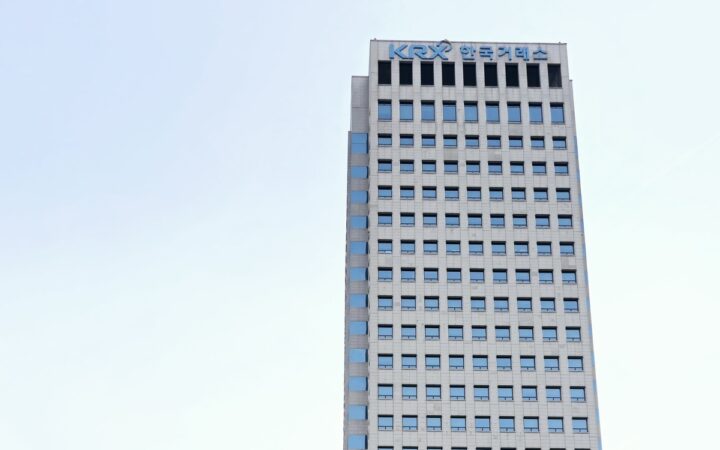
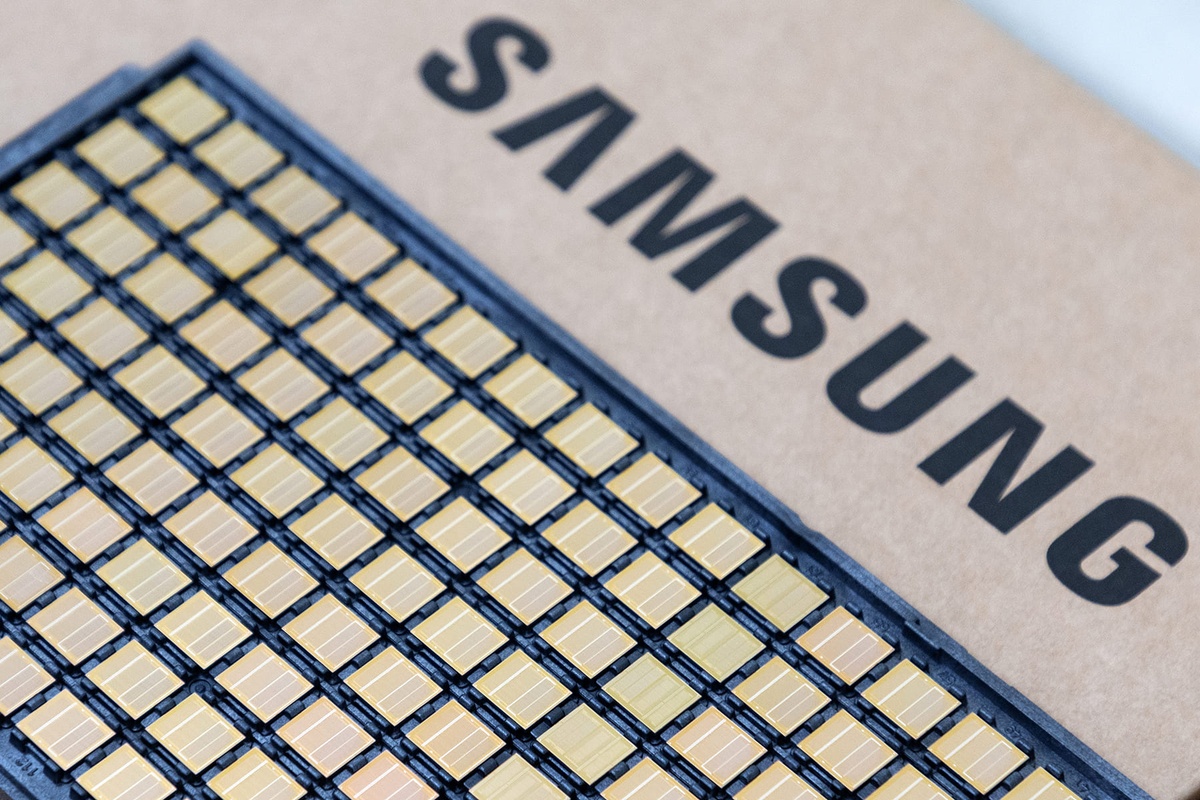
South Korea’s KOSPI finished 7.6% lower at 5,554.22. Samsung Electronics Co. (KRX: 005930) lost 9.5%, while SK hynix Inc. (KRX: 000660) declined 11.1%, according to AP’s market report.
Japan’s Nikkei 225 fell 4.9% to 64,425.95, and SoftBank Group Corp. (TSE: 9984) dropped 9.3%. These are closing figures, superseding the smaller declines in some earlier trading snapshots.
The Korean losses followed the trading halt we reported earlier. The broader international move shows that the pressure extends beyond one exchange or a single memory manufacturer.
U.S. and European Chip Shares Extend the Retreat
In CNBC’s report updated at 08:18 UTC, Nvidia was down 1.8%, AMD 3.5% and Micron 4.4% before the U.S. opening bell. ASML Holding NV (EURONEXT: ASML) was down 6.6% in European trading.
Those percentages are time-specific market snapshots, rather than Thursday closing returns. They also describe changes in share prices, not reductions in company revenue or canceled customer orders.
The selling follows the October 14 Wall Street session we previously reported on, when the Nasdaq Composite lost 1.88% and the S&P 500 fell 1.11%. The sequence links weakness across markets without establishing that every company faces the same operating problem.
Inflation Raises the Financing Hurdle
The Bureau of Labor Statistics’ September CPI release showed consumer prices rising 0.6% during the month and 3.7% from a year earlier, up from August’s 3.4% annual increase. Core inflation, excluding food and energy, reached 2.6%.
Higher inflation can make investors less confident that borrowing costs will fall. That matters particularly for projects requiring large upfront investment before their revenue and cash generation fully develop.
The scale is substantial. The International Energy Agency’s 2026 assessment says the largest technology companies spent more than $400 billion on capital investment in 2025 and forecasts a further 75% increase in 2026.
The agency also cautions that not every proposed data-center project will proceed. Its spending estimate describes the investment pipeline and expected expansion, rather than a guarantee of profitable deployment.
Intel Corp. (NASDAQ: INTC) and Broadcom Inc. (NASDAQ: AVGO) executives have already warned about capital availability, as we reported. For shareholders, the question includes both access to finance and the returns customers can earn after paying for it.
CoreWeave Shows Why Cash Generation Matters
CoreWeave Inc. (NASDAQ: CRWV) provides a concrete example of the financing burden. Its second-quarter filing reported $2.575 billion in revenue, up 112% from a year earlier, alongside $640 million in net interest expense and a $626 million net loss.
Rapid sales growth therefore coexisted with a substantial cost of borrowing. These are completed-quarter results, not a forecast that the company’s current growth rate or financing costs will remain unchanged.
As we previously reported, yields on two CoreWeave bonds approached 15% during Wednesday’s selloff. Rising secondary-market yields reflect lower bond prices and the return buyers demand; they do not reset existing fixed coupons.
That distinction helps explain the equity reaction. Concern about future refinancing or cash available after interest can reduce investors’ willingness to pay for expansion, even while demand for computing continues to generate revenue.
Memory Competition Adds a Separate Risk
China’s ChangXin Memory Technologies has also intensified the competition debate. At an October 10 industry conference, president Cao Kanyu announced progress on a 4F² DRAM architecture and said new DDR5 server-memory modules using the technology were expected by year-end.
The design aims to fit more memory cells into a given area. Commercial yields, production scale and customer qualification will determine how far that technical progress changes market supply.
It does not establish that an immediate glut exists across all memory products. The IEA separately expects shortages of high-bandwidth memory, a key component for AI processors, to persist through at least the end of 2027.
The two concerns operate on different timelines. Investors are pricing the possibility of more future competition while assessing expensive infrastructure commitments today. Order books, deployment schedules and cash generation will help show whether this repricing remains primarily a financing issue or develops into weaker demand.