Key Notes
- RKLB fell about 8% after hours after Rocket Lab moved Neutron’s inaugural launch into 2027.
- A composite tank dome manufacturing issue requires a replacement component and further first-stage testing before flight.
- Rocket Lab has not set a new launch month or quarter and plans to report progress against production and testing milestones.
Rocket Lab Corporation (NASDAQ: RKLB) shares fell about 8% in after-hours trading on October 14 after the company pushed the first launch of its Neutron rocket into 2027. The setback centers on manufacturing defects in a carbon-composite tank component, adding another development hurdle for the reusable launch vehicle.
RKLB traded at $54.70 at 21:00 UTC, down 7.57% from its regular-session close of $59.18, according to CNBC’s stock quote. The shares had already fallen 7.85% during the regular session. Those are separate declines: the company’s schedule announcement came after the closing bell.
Rocket Lab confirmed the revised year in an official release, while CEO Sir Peter Beck explained the technical issue in a video presentation. The company has not provided a new launch month or quarter, leaving investors to judge progress against manufacturing and testing milestones.
Tank Manufacturing Issue Pushes Launch Into 2027
Beck said an inspection found small voids, or air pockets, inside the carbon-composite layers of a newly manufactured forward dome for Neutron’s first-stage propellant tank. Such defects can compromise a component’s strength and reliability, even if their presence does not necessarily mean it would fail in flight.
The issue followed a change in production methods earlier this year. After a first-stage tank failed qualification, Rocket Lab moved from a third-party manual process to its planned automated fiber placement system. That machine lays carbon fiber into molds, allowing the company to change the design and increase thickness in selected areas.
According to Beck, the voids appeared in those thicker sections during curing, the process that binds the composite material together. Neutron’s large structures require a specially developed process outside an autoclave, rather than the conventional pressurized chamber used for smaller composite parts.
Rocket Lab says it reproduced the problem in testing and changed the manufacturing process to prevent it. An aft dome produced using the revised method met the company’s quality expectations. Beck described the underlying process issue as solved, but a replacement forward dome still needs to be completed and inspected.
Testing Milestones Come Before a New Launch Date
The next steps are to manufacture the replacement forward dome, cure it, and inspect it using ultrasonic testing and other methods. Rocket Lab then needs to assemble the first stage and complete hydrostatic and cryogenic testing. Those checks assess the structure under pressure and at the low temperatures associated with propellants.
Beck outlined a sequence extending into the first quarter of 2027 before the company expects to be able to provide a more specific launch target. That is a development timetable, not a promise that Neutron will launch during that quarter.
The distinction matters for shareholders. Resolving a manufacturing process does not automatically complete vehicle qualification, integration or launch preparation. The immediate measures of progress are therefore successful component production and testing, rather than a revised countdown date.
Neutron Is Central to Rocket Lab’s Expansion
Neutron is designed to move Rocket Lab beyond the smaller payloads served by Electron. The company’s vehicle specifications describe a reusable, medium-lift rocket capable of carrying up to 13,000 kilograms to low Earth orbit, with launches planned from Wallops Island, Virginia.
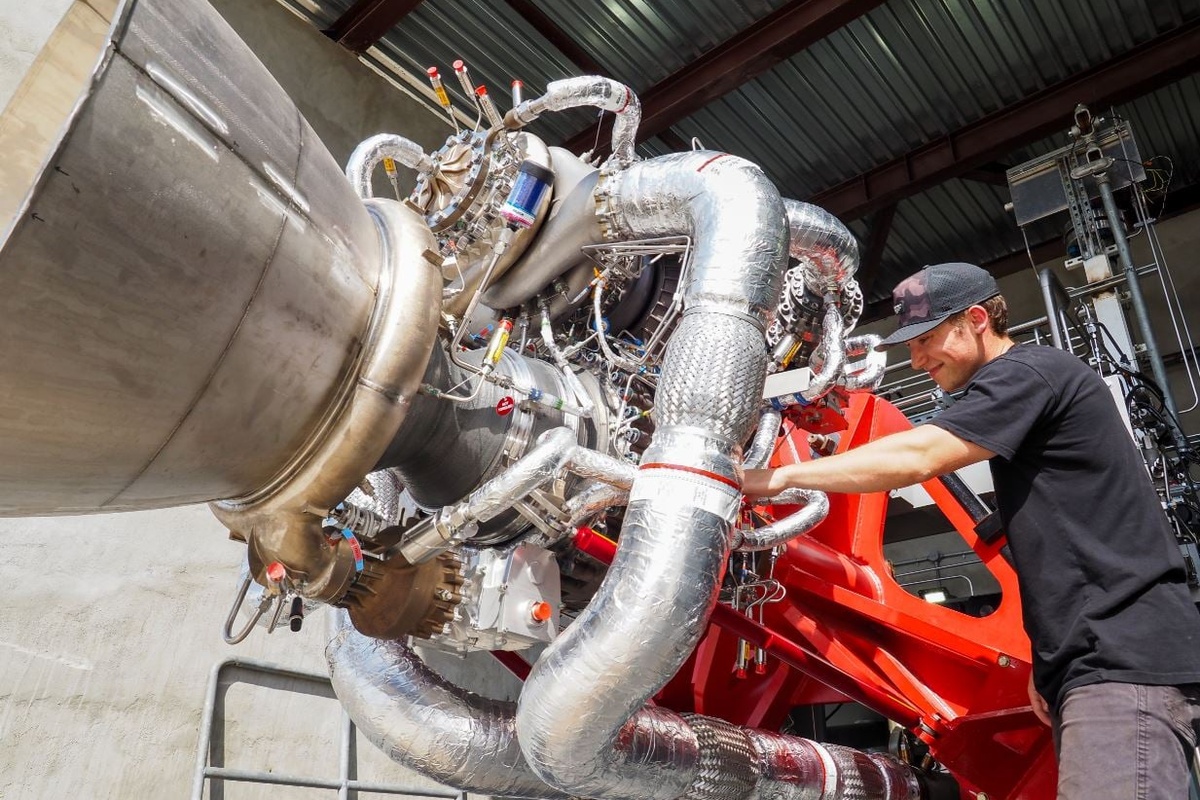
The design combines a reusable first stage with methane-fueled Archimedes engines. Its captive payload fairing is intended to remain attached to the booster, open to release the upper stage, and close again for recovery. These features are planned capabilities whose commercial value depends on successful flights and repeatable operations.
Beck said Rocket Lab is building production infrastructure alongside the first vehicle, with second and third rockets already under construction. The company also plans to use the additional development time to introduce upgrades that had originally been intended for later flights.
RKLB Investors Face a Longer Execution Test
For investors, the delay extends the wait for flight evidence supporting Neutron’s growth ambitions. A successful debut would establish an important technical milestone, but a sustainable launch business also requires repeat missions, reliable manufacturing and customers willing to commit across multiple flights.
Rocket Lab’s broader business continues to include Electron, HASTE and satellite systems. The latest announcement concerns Neutron’s inaugural flight; it does not announce a suspension of those other operations. Nor does it quantify a new development charge or specify how much revenue shifts between reporting periods.
Launch execution remains a challenge across the industry. As we previously reported, Blue Origin’s first reuse of a New Glenn booster coincided with an unsuccessful satellite deployment, illustrating why a single engineering milestone is different from a complete mission success.
RKLB’s regular-session decline also occurred during a broader retreat in U.S. stocks, as we reported earlier. The separate after-hours move followed the Neutron update. With no precise new launch date, the next catalyst is evidence that the replacement tank components and assembled first stage can clear their tests.