Key Notes
- The euro fell about 0.6% in Monday’s trading to its weakest level against the dollar since May 2025, according to data cited by CNBC.
- Spain announced an election for November 29, while France’s budget adjustment faces political obstacles and unresolved debt concerns.
- Euro-area inflation reached a preliminary 3.8% in September, adding pressure as the ECB balances price stability with weak growth.
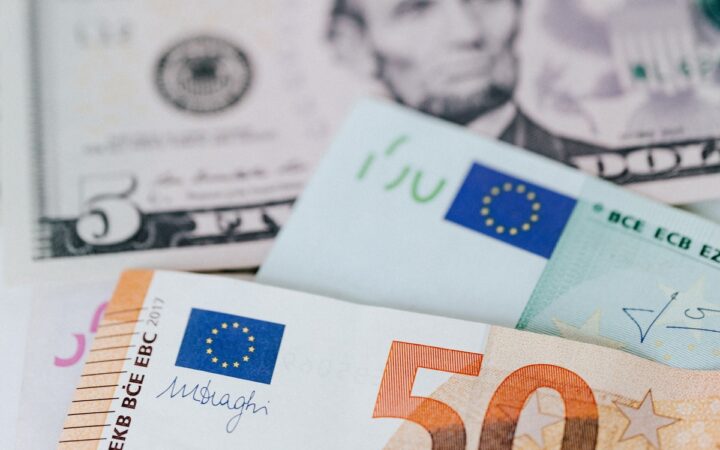
The euro fell to a 17-month low against the dollar on October 5 as Spain announced an early election and concerns over France’s public finances added to pressure on European assets.
The single currency was down about 0.6% in Monday’s trading, reaching its weakest level since May 19, 2025, according to LSEG data cited by CNBC, which reported the move. That is an intraday observation from the report, rather than a closing exchange rate.
The decline extends the currency pressure MarketSpeaker covered last week. Monday’s developments add a concrete election date in Spain to the mix of political risk, rising inflation and government borrowing costs that investors are assessing.
Spain Sets November 29 Election as Housing Pressure Mounts
Prime Minister Pedro Sánchez announced a general election for November 29 in an October 5 institutional statement published by his office. He said he would convene an extraordinary cabinet meeting that morning to dissolve parliament and call the vote.
The announcement follows protests over Spain’s housing crisis and a parliamentary defeat for government measures addressing it, CNBC reported. It turns speculation about an early election into a defined political timetable, although the result and the government that follows remain unknown.
For investors, the economic question is what the next administration can pass through parliament, including housing measures and fiscal policy. An election date does not by itself establish a change in taxes, spending or borrowing plans; those details will depend on the campaign and the eventual governing arrangement.
France’s Budget Plans Leave the Debt Question Unresolved
France presents a different source of uncertainty: whether a minority government can deliver a credible budget adjustment before the 2027 presidential election. Economists at ING Groep N.V. (NYSE: ING), in their October 1 budget analysis, said the proposed measures would slow fiscal deterioration without stabilizing public debt.
The government aims to reduce the deficit to 5% of gross domestic product in 2027 from an expected 5.4% in 2026. ING’s assessment projects the debt ratio reaching 121.7% next year despite the adjustment. Those are policy targets and forecasts, rather than completed fiscal outcomes.
The bank expects negotiations and amendments to complicate adoption. It also argues that rising interest payments and age-related spending will require further choices beyond the current package. For bond investors, the distinction matters: securing a budget can reduce immediate procedural uncertainty without resolving the longer-term financing burden.
The currency implications are less direct. Higher sovereign yields can offer investors a greater return, but yields rising because of fiscal concerns may also indicate a higher risk premium. A bond selloff therefore does not automatically strengthen the euro.
Energy Inflation Complicates the ECB’s Position
Political uncertainty arrives alongside a renewed inflation acceleration. Eurostat’s October 2 flash estimate put September euro-area inflation at 3.8%, up from 3.2% in August. Energy prices rose 18.8% annually, compared with 14.3% a month earlier.
Core inflation, excluding energy, food, alcohol and tobacco, was 2.5%. The gap highlights how much stronger energy-price pressure is than the broader underlying reading. The figures remain preliminary, with complete September data scheduled for October 16.
The European Central Bank had already raised rates by 25 basis points on September 10, taking its deposit rate to 2.50% from September 16. It warned of persistent inflation pressure from the Middle East conflict and maintained a meeting-by-meeting approach.
Higher expected rates can support a currency, while weaker growth and more expensive financing can pull in the opposite direction. The ECB’s latest statement projected only 0.9% euro-area growth for 2026 and identified downside risks to activity. Its next decisions will have to weigh those competing pressures.
A Weaker Euro Creates Uneven Costs and Benefits
For a euro-area business paying an unchanged invoice in dollars, a weaker euro increases the cost in its home currency. Exporters receiving dollars may benefit when converting revenue, although dollar-priced inputs can offset some of that advantage.
ECB research shows why the exchange-rate effect is not uniform. Invoicing currencies, supply chains, pricing decisions and hedging influence how changes reach import prices and ultimately consumers. The impact tends to be more visible at the import stage than in final consumer inflation.
The dollar side also remains important. Friday’s jobs report showed American payrolls rising by just 29,000 in September, while unemployment reached 4.2%. The Bureau of Labor Statistics release supplies those figures; how they alter interest-rate expectations remains a separate market judgment.
Spain’s November election, France’s budget negotiations and the next inflation releases now provide distinct tests for the euro. The 17-month low captures the market’s current assessment, but it does not establish a forecast for where EUR/USD will trade after those events.