
Key Notes
- Disney shares fell 3.40% on October 1 and partly recovered the next session as a reported TV overhaul put efficiency and execution in focus.
- The planned restructuring could eliminate hundreds of jobs and consolidate divisions, with details and financial savings still unsettled.
- Disney’s entertainment streaming margin reached 12.9% in its latest quarter, providing a profitability benchmark alongside its existing share-repurchase plans.
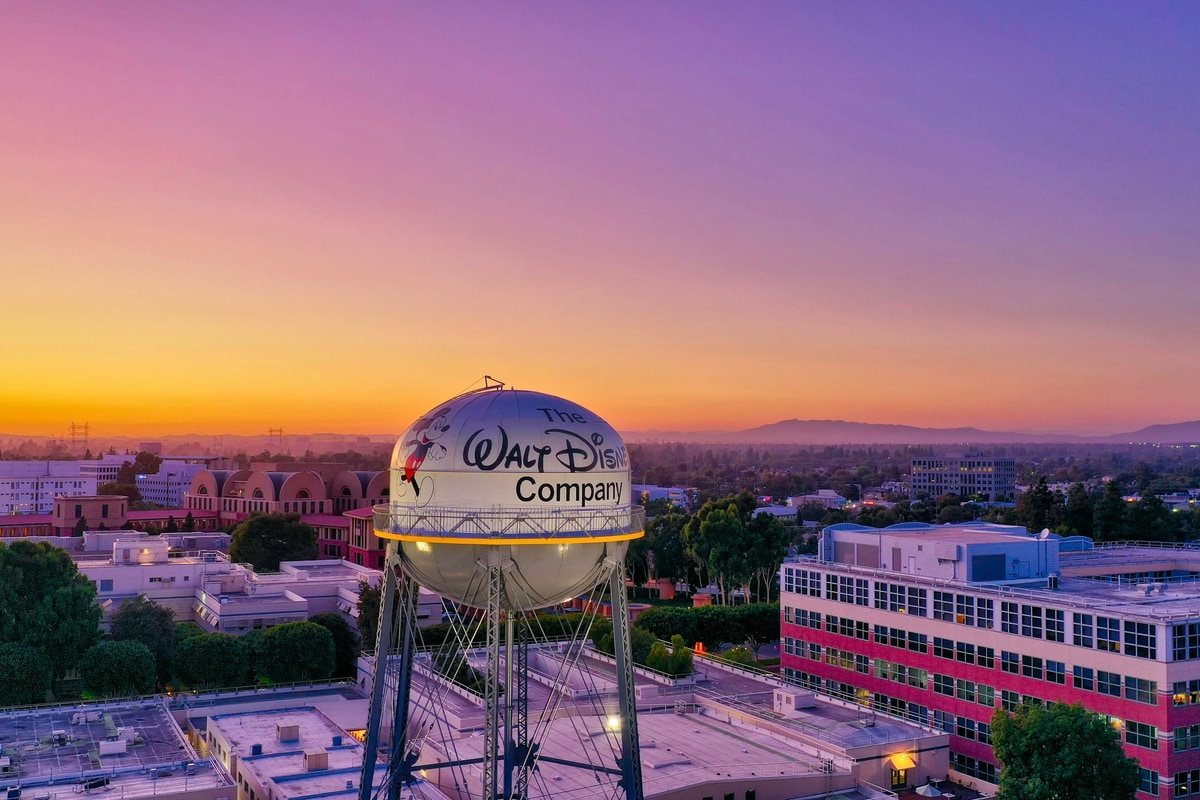
The Walt Disney Company (NYSE: DIS) is facing renewed scrutiny over television profitability after The Wall Street Journal reported plans for a restructuring that could eliminate hundreds of jobs and consolidate divisions.
Disney shares fell 3.40% to $101.33 on October 1, the day the report appeared, before recovering 0.85% to $102.19 on October 2. Those are completed-session prices, rather than a live Monday quote, according to historical data supplied by S&P Global Market Intelligence.
For DIS shareholders, the central issue is whether a simpler television operation can produce stronger returns as Disney shifts toward streaming. The reported job reductions have not yet been translated into a company-disclosed savings target or timetable.
A Reported Overhaul, With Details Still Unsettled
The Journal said senior executives were still developing the plan and that it might not be finalized before year-end. The restructuring would be another step in CEO Josh D’Amaro’s effort to simplify the company.
Reuters, citing the Journal’s reporting, identified Disney Entertainment Television Chairman Debra O’Connell as leading the effort. It said the changes could affect executives across businesses including ABC Entertainment, 20th Television, Hulu Originals and Freeform.
The proposed structure is intended to reflect streaming audiences rather than the individual brands around which traditional television operations were built. Reuters said Disney did not immediately respond to its request for comment.
The reported TV plan is separate from September 29 reductions affecting a few hundred employees, mainly in human resources and technology, which Reuters also described. Combining those figures into a single confirmed TV layoff total would overstate what has been disclosed.
The Share Decline Does Not Establish a Savings Case
The October 1 fall coincided with the restructuring report, but the closing-price change alone does not isolate the news’s contribution from other market influences. Friday’s partial recovery also left the shares below their $104.90 September 30 close.
Potentially reducing duplicated management and support functions could improve efficiency. However, the investment case depends on the costs removed, the expenses required to reorganize and the effect on content production and revenue. A headcount headline does not provide enough information to calculate an earnings benefit.
Execution matters because television teams develop and distribute the programming that attracts audiences. A smaller organization can only strengthen the business if the savings do not come with an offsetting deterioration in the product or its commercial performance.
Streaming Profitability Provides the Benchmark
Disney’s fiscal third-quarter financial reconciliations show Entertainment subscription video-on-demand operating income of $712 million, compared with $329 million a year earlier. Its operating margin was 12.9%.
These are non-GAAP measures for Disney+ and Hulu’s subscription video-on-demand services. They exclude the Hulu Live TV and Fubo businesses, and should not be treated as the margin of the entire television operation.
The results mean the restructuring debate concerns improving an already profitable streaming business, alongside adapting legacy operations. Future disclosures will need to show whether efficiency gains support sustainable margins, rather than simply reflecting changes in spending between quarters.
Disney’s August strategy update described Disney+ as central to a more connected entertainment ecosystem. D’Amaro outlined plans to improve the streaming experience and connect it with merchandise, games and other benefits, with elements expected to begin appearing in spring 2027.
Leadership Changes Already Support the Digital Shift
Some organizational changes are confirmed. Disney appointed Adam Smith chairman of Direct-to-Consumer for Disney Entertainment on September 17.
The company said his responsibilities encompass Disney+ and Hulu, including product, engineering, advertising technology, programming strategy, viewer experience, partnerships and analytics. Joe Earley was named president of Disney Entertainment Television Franchise and Content Strategy.
Those appointments show Disney bringing commercial, technical and content priorities into a more coordinated structure. They do not confirm the separate layoff numbers reported by the Journal, but they provide context for the direction of the business.
MarketSpeaker’s earlier coverage of media consolidation examined another route to greater industry scale. Disney’s reported approach would instead reorganize businesses it already owns.
Cash Returns and Restructuring Costs Remain Important
Disney’s August 5 shareholder letter targeted at least $9 billion in fiscal 2026 share repurchases. That was an existing capital-return plan, not a new authorization resulting from the reported TV overhaul.
The same results showed quarterly revenue rising 7% to $25.2 billion and adjusted earnings per share increasing to $2.06 from $1.61. Reported diluted EPS was $1.51; adjusted EPS excludes specified items and should be read alongside the accounting results.
Disney recorded $900 million of restructuring and impairment charges in that quarter, including an $812 million impairment related to its A+E investment. These earlier charges should not be presented as the cost of the newly reported television plan.
For shareholders, the next useful information would include the scope of the reorganization, recurring savings, one-time cash costs and when any benefits enter earnings. Changes to Disney’s segment presentation will also require care when comparing future results with prior periods.
The stock’s longer-term case will depend on delivering profitable audience growth and cash generation across Disney’s businesses. The reported TV restructuring is a potential contributor to that effort, while its financial impact remains unquantified.