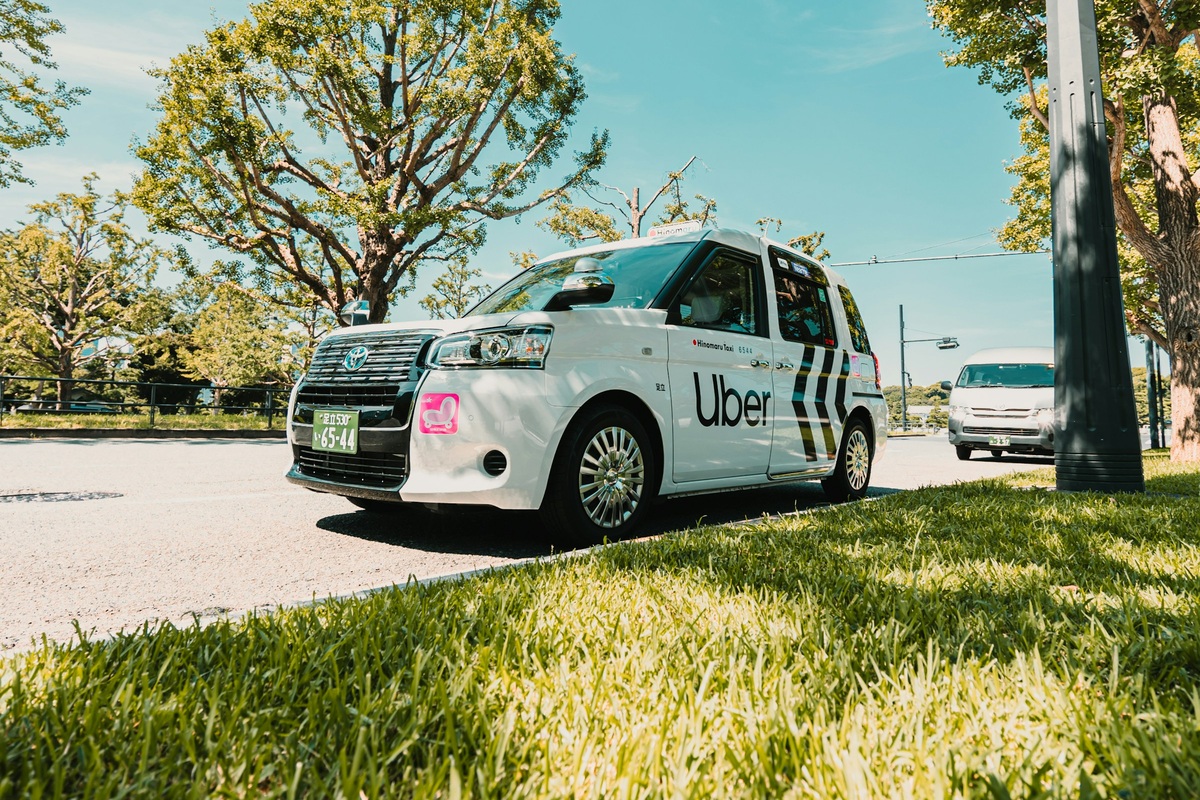
Uber Q3 Earnings Beat Estimates as Bookings Hit $59.82 Billion
Uber reports $14.77 billion in Q3 revenue and adjusted EPS of $0.88, while its Q4 bookings outlook broadly matches expectations and trips fall short.

Uber Technologies operates platforms connecting customers with transportation, delivery and logistics services.
Uber Technologies operates platforms connecting customers with transportation, delivery and logistics services. Founded in 2009 by Garrett Camp and Travis Kalanick, the company is headquartered in San Francisco. Its applications coordinate demand with drivers, couriers, merchants and other service providers rather than supplying every part of each journey directly.
Mobility services allow riders to request trips and select from available categories. The platform handles matching, routing, pricing and payment, while drivers provide transportation under arrangements that vary by jurisdiction. Safety features, support and insurance-related processes form part of the service alongside the application’s booking functions.
Delivery activities include Uber Eats and offerings involving groceries, retail goods and other products. Merchants gain a distribution channel, customers receive ordering and delivery options, and couriers fulfill eligible orders. Each transaction requires coordination among parties whose needs differ, from a restaurant preparing food to a customer waiting for its arrival.
Business products help organizations manage employee travel and other services. Freight operations connect shippers and transport providers, extending the use of digital coordination into logistics. Membership programs and commercial partnerships encourage customers to use more than one service, while autonomous-vehicle relationships add another form of supply in selected locations.
Uber earns revenue through platform fees and other commercial arrangements associated with activity across its businesses. Gross bookings measure the broader value of transactions and differ from the revenue the company records. Costs and margins depend on the service, market, incentives and legal arrangements involved.
The company’s shares trade in New York under UBER. Its business relies on reliable local execution beneath a common digital interface. A useful application must be supported by sufficient drivers, couriers and merchants, with pricing and service quality that keep participants willing to return.
Mobility, delivery and freight platform fees; memberships and related services
Uber reports $14.77 billion in Q3 revenue and adjusted EPS of $0.88, while its Q4 bookings outlook broadly matches expectations and trips fall short.

Uber is expanding ChatGPT Work beyond a 1,000-person pilot, giving more than 30,000 employees access to AI tools across its global workforce.
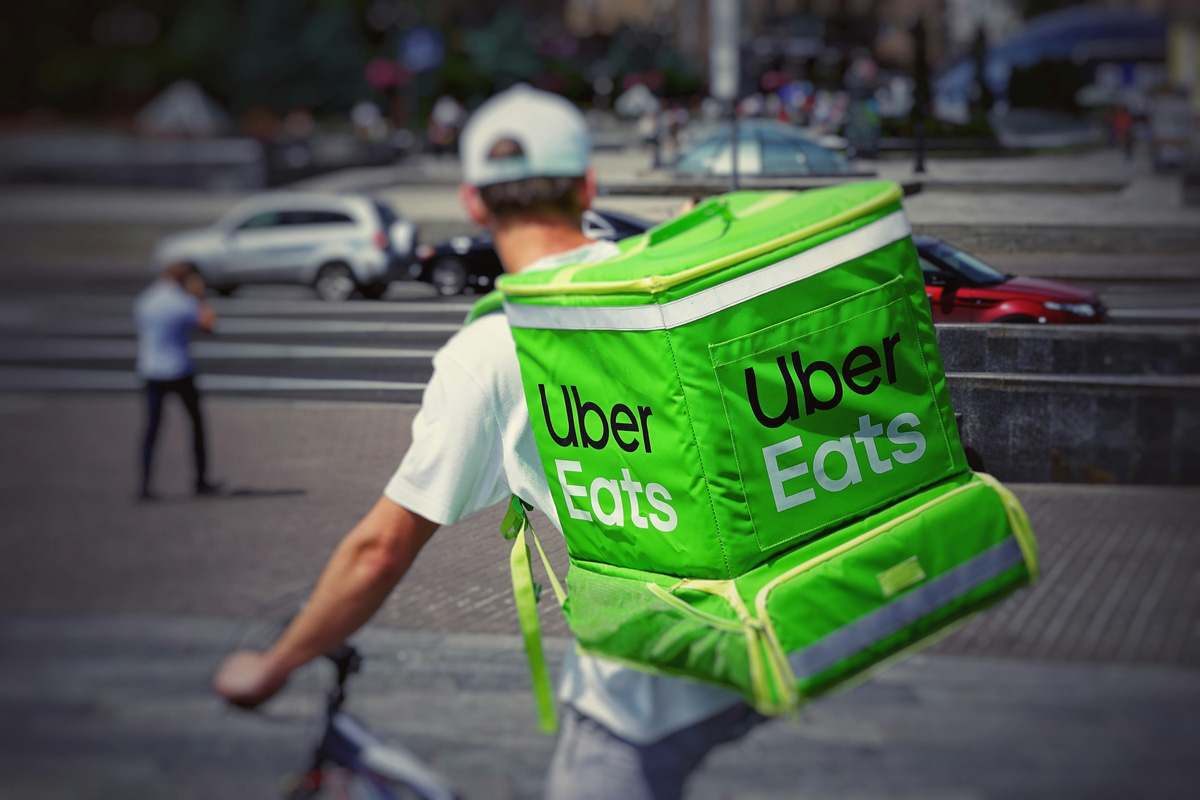
Uber (NYSE: UBER) has agreed to buy ezCater for $2.3 billion, expanding workplace catering as investors assess delivery margins and cash use.
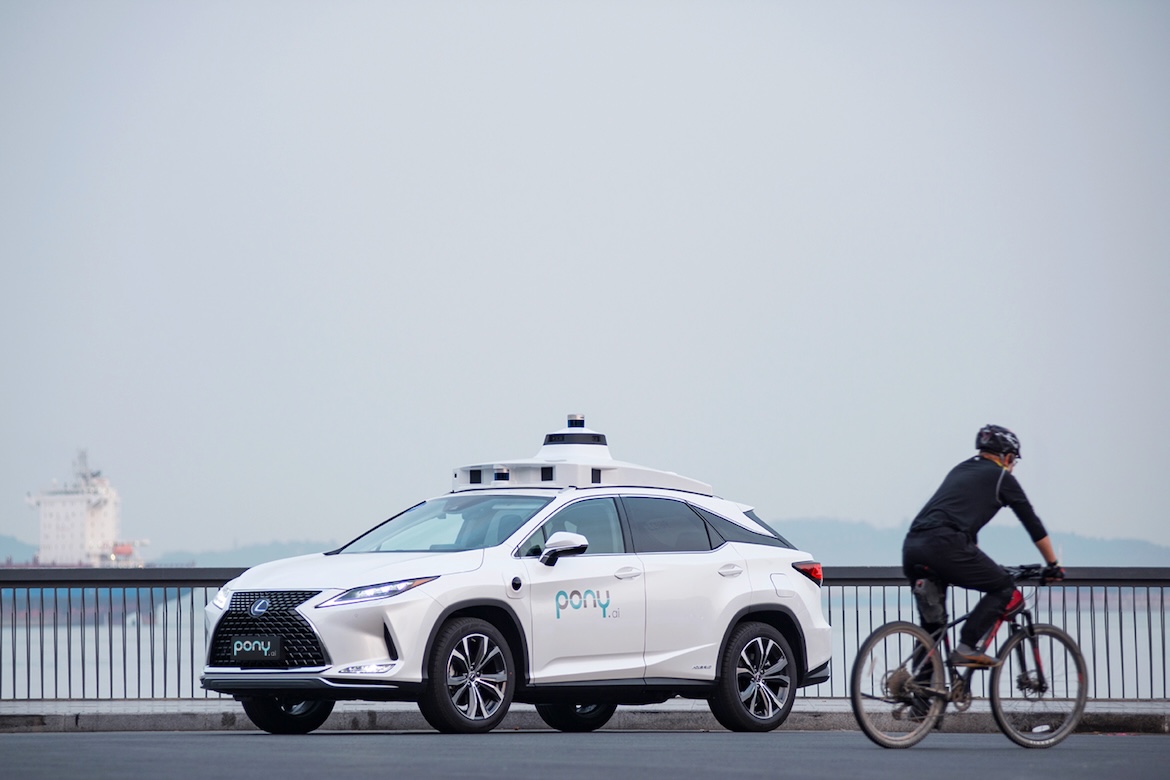
Uber and China's Pony.ai are expanding their autonomous driving partnership with plans to deploy more than 2,000 robotaxis across Europe.

Uber will launch a robotaxi service in Houston in partnership with Lucid and Nuro, expanding its autonomous vehicle strategy as competition in self-driving transportation intensifies.

Uber shares rose after stronger-than-expected bookings guidance offset a $1.5 billion hit to net income from equity revaluations in Q1.
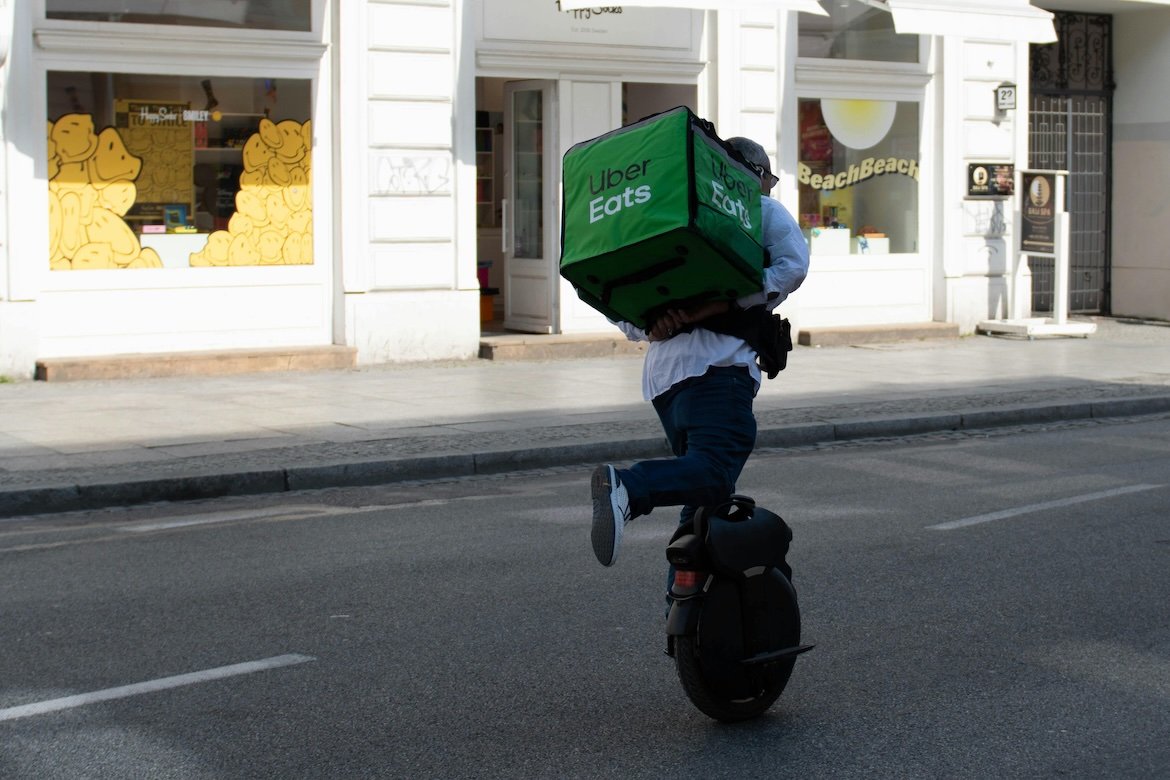
Uber increased its stake in Delivery Hero through a $318 million share purchase, strengthening its position in the competitive food delivery market.

Nvidia and Uber announced plans to launch Level 4 autonomous robotaxis in 28 cities by 2028. The partnership aims to scale AI-powered self-driving fleets across major urban markets.
Uber launches fully driverless robotaxi rides in Abu Dhabi with partner WeRide, marking the Middle East’s first autonomous ride-hailing service.