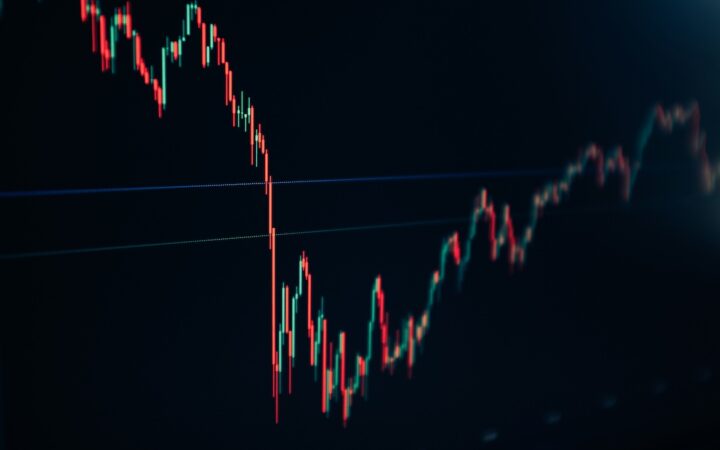
Tesla shares have fallen back to levels last seen a year ago and remarkably, to roughly the same price they traded at nearly five years ago in October 2021. The decline underscores how dramatically investor sentiment has shifted despite the company’s continued expansion into artificial intelligence, autonomous driving, and robotics.
The stock has come under pressure following a series of disappointing earnings reports, slowing profitability, and growing concerns over the pace of Tesla’s transition beyond its core electric vehicle business. While vehicle deliveries have remained resilient, investors have increasingly questioned whether future growth will come from EV sales or entirely new business segments.
According to previous Bloomberg reporting, Elon Musk is attempting to reposition Tesla from being primarily an electric vehicle manufacturer into a robotics and AI company. Rather than focusing solely on car sales, Tesla has been investing heavily in autonomous driving software, AI infrastructure, and its Optimus humanoid robot program, which Musk believes could eventually become a much larger business than automobiles.
Musk has previously stated that Tesla expects to begin selling humanoid robots to the general public by the end of 2027, marking one of the company’s most ambitious commercial targets. The Optimus robot is designed to perform repetitive and physically demanding tasks in factories before gradually expanding into commercial and consumer applications.
The long-term opportunity has also attracted attention from policymakers. U.S. President Donald Trump has previously said that humanoid robots could become a very large business, reflecting growing expectations that robotics will emerge as one of the next major industries powered by artificial intelligence.
Despite these ambitions, investors remain cautious. Developing humanoid robots requires enormous investment in AI models, sensors, actuators, manufacturing, and software, while meaningful commercial adoption is still years away. As a result, many shareholders continue to value Tesla primarily based on its current automotive business rather than its future robotics potential.
The stock’s return to price levels seen years ago illustrates the market’s skepticism toward Tesla’s transformation strategy. Bulls argue that today’s valuation fails to reflect the potential of autonomous driving and robotics, while bears believe execution risks remain high and that commercial success is far from guaranteed.
For now, Tesla finds itself at a crossroads, with investors weighing near-term pressure on its automotive business against Musk’s vision of transforming the company into a global leader in artificial intelligence and humanoid robotics.