The S&P 500 climbed to a new all-time high, pushing the combined market capitalization of its constituent companies to approximately $69.7 trillion, another milestone for the U.S. equity market.
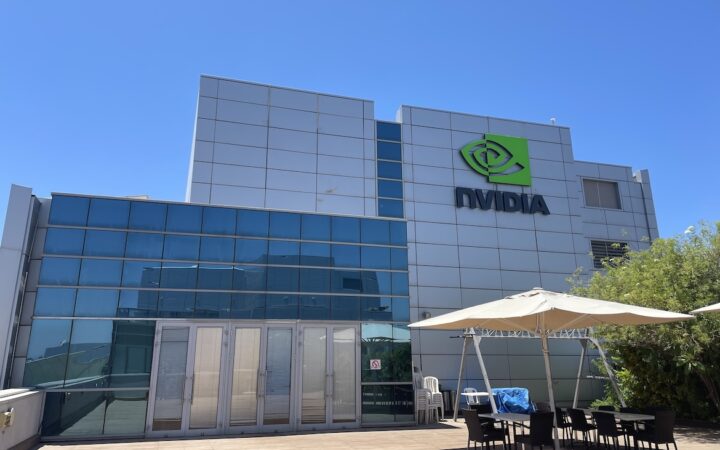
The latest rally extends one of the strongest bull markets in history, fueled by robust corporate earnings, the rapid expansion of artificial intelligence, and continued investor appetite for large-cap technology stocks. Companies including NVIDIA, Microsoft, Apple, Amazon, Meta, Alphabet, and Broadcom have accounted for a significant share of the index’s gains as AI investment continues to reshape the global economy.
The record valuation underscores how dominant U.S. public companies have become in global financial markets. The S&P 500 now represents the overwhelming majority of the total value of the U.S. stock market and remains the benchmark index for institutional investors worldwide.
Analysts note that the current environment has been exceptionally favorable for asset owners. Rising equity prices, resilient corporate profitability, and continued investment in artificial intelligence have driven household wealth and institutional portfolios to record levels. As a result, investors with significant exposure to U.S. equities have experienced one of the strongest periods of wealth creation in modern financial history.
At the same time, the rally has intensified debate over market valuations. The growing concentration of returns among a relatively small number of mega-cap technology companies has prompted some investors to question whether expectations for AI-driven earnings growth have become too optimistic. Others argue that sustained increases in corporate investment and productivity could continue supporting elevated valuations.
Despite periodic corrections throughout the year, investor confidence has remained resilient as many of the largest technology companies continue reporting earnings above expectations while committing hundreds of billions of dollars to AI infrastructure.
With the S&P 500 approaching $70 trillion in aggregate market value, the performance of a handful of the world’s largest technology companies is playing an increasingly important role in determining the direction of both the U.S. stock market and global investment portfolios.