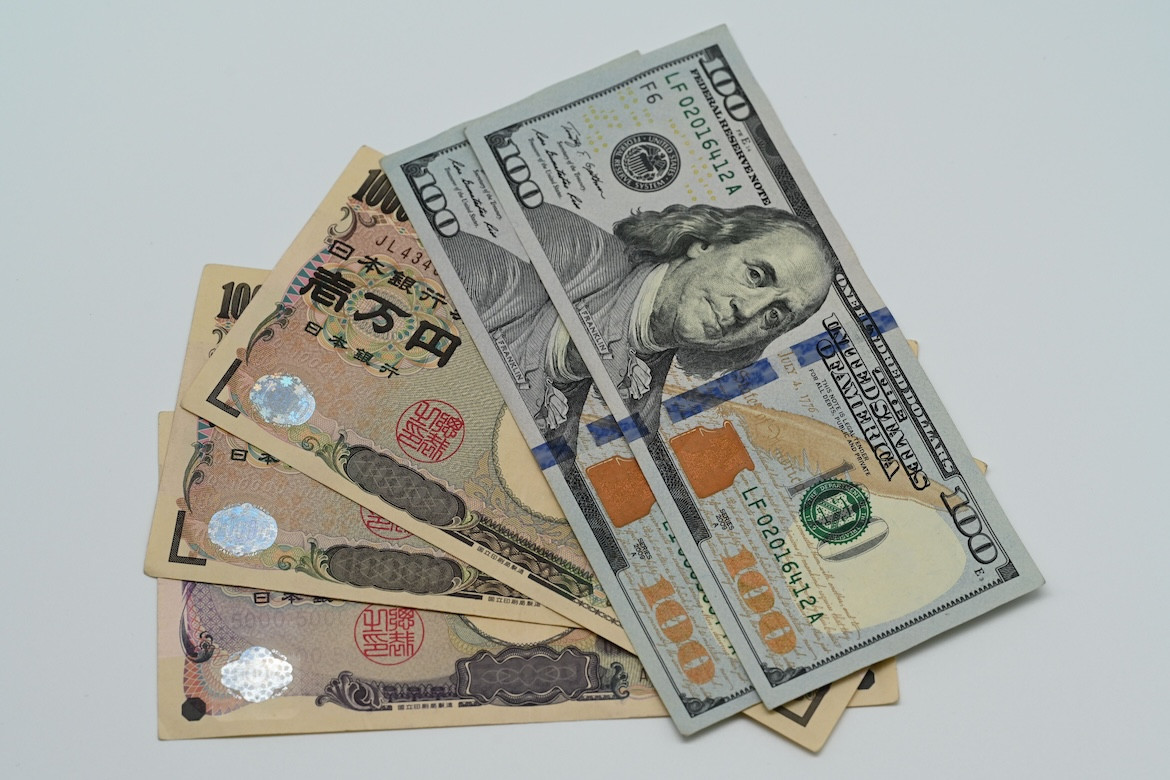
The Japanese yen weakened to around ¥162 per U.S. dollar, reaching its lowest level against the dollar since 1986 and increasing speculation that Japanese authorities may intervene again in currency markets.
Analysts warn that the yen’s continued decline is becoming increasingly difficult for Japan to tolerate because a weaker currency raises import costs and adds pressure to domestic inflation.
Japan’s Finance Minister Satsuki Katayama said authorities are prepared to respond to foreign exchange moves when necessary, reinforcing market expectations that officials are closely watching the yen’s slide.
Intervention Risk Returns
Japan has previously intervened to support the yen by selling dollars and buying yen, using foreign exchange reserves to slow currency depreciation.
Earlier intervention efforts cost Japan a record ¥11.73 trillion, but the yen has continued weakening despite those measures.
Analysts say authorities may focus less on a specific exchange-rate level and more on the speed and disorderly nature of the move, with some investors watching the ¥165 area as a possible next trigger.
Global Market Risks
A renewed intervention could have consequences beyond foreign exchange markets.
If Japan funds intervention by selling U.S. Treasury holdings, it could put upward pressure on U.S. bond yields and add stress to global markets.
A sharp yen rebound could also force investors to unwind yen carry trades, where traders borrow cheaply in yen to buy higher-yielding assets elsewhere.
That kind of unwind could pressure stocks, metals, and cryptocurrencies if investors are forced to sell assets to repay yen-denominated borrowing.
The broader takeaway is that the yen’s decline is no longer just a currency story. It has become a potential global market risk as investors watch whether Japan will step in again to defend its currency.