
Nearly $1 Trillion Wiped From U.S. Stocks as Major Indexes Slide
U.S. equities lost nearly $1 trillion in market value shortly after the opening bell as major indexes fell across the board. The decline hit large-cap tech and small-cap stocks alike.
U.S. equities lost nearly $1 trillion in market value shortly after the opening bell as major indexes fell across the board. The decline hit large-cap tech and small-cap stocks alike.
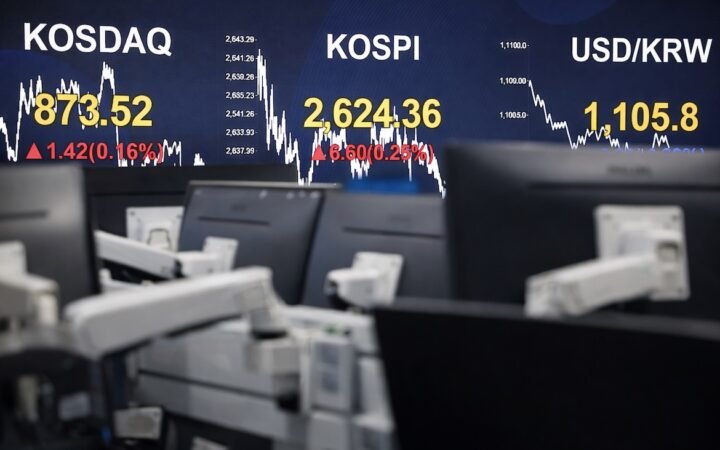
Asian markets tumbled amid rising geopolitical tensions and energy supply fears. South Korea’s KOSPI plunged more than 11%, while Thailand halted trading after an 8% intraday drop.
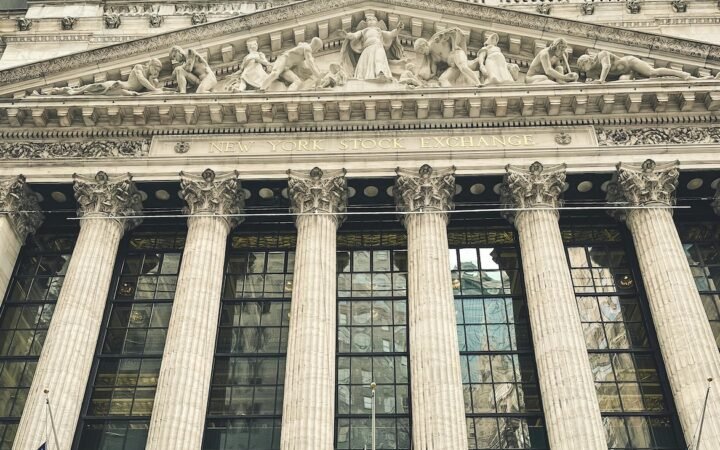
Roughly $1 trillion in market value evaporated from U.S. equities shortly after the opening bell as global markets extended losses tied to escalating Middle East tensions. Futures across the U.S., Europe, and Asia moved sharply lower.
Nvidia reported record fourth-quarter revenue of $68.1 billion, up 73% year over year, as artificial intelligence demand continued to fuel explosive growth. Net income surged 94% to $43 billion, well above analyst expectations.

U.S. software stocks are tumbling in 2026 as investors fear sudden AI breakthroughs could render established products obsolete. The sector’s slide has accelerated despite steady earnings, with major names posting double-digit losses.
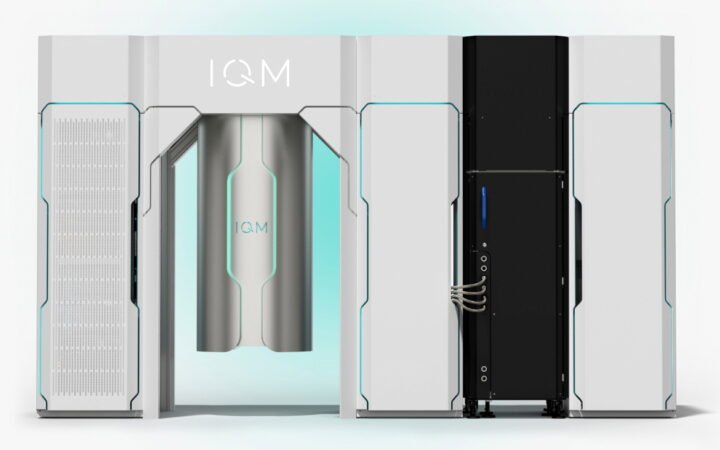
Finland-based IQM is set to go public at a $1.8 billion valuation, becoming one of Europe’s first listed quantum computing companies. The move marks a milestone for the region’s emerging deep-tech sector.

Shares of EPAM Systems fell 20% after the IT services firm issued a cautious 2026 outlook, overshadowing better-than-expected quarterly results. The drop marked the worst performance in the S&P 500 for the session.

U.S. equities experienced a dramatic intraday reversal, wiping out hundreds of billions of dollars before recovering nearly the same amount within hours. Major indices swung from losses of more than 1% to solid gains by the close.

Shares of Kering surged after the luxury group reported stronger-than-expected sales and unveiled a revival strategy under its new chief executive. Investors welcomed early signs of stabilization at Gucci, the company’s largest brand.

U.S. equity markets lost roughly $1 trillion in capitalization as technology stocks extended sharp declines from record highs. The crypto market also slid, shedding about $330 billion in a single day amid intensifying risk aversion.

Microsoft shares plunged as much as 12% in a single session after earnings revealed soaring AI infrastructure costs and heavy reliance on OpenAI-linked cloud contracts. The drop marked one of the company’s sharpest declines since 2020.

Nancy Pelosi carried out a sweeping overhaul of her investment portfolio, aggressively rotating from direct equity holdings into long-dated call options across major technology stocks. The moves signal a more leveraged and concentrated exposure to Big Tech through 2027.

SpaceX has selected Goldman Sachs, JPMorgan, Bank of America, and Morgan Stanley to lead its initial public offering, expected in the second half of 2026. With an estimated valuation of $1.5 trillion, the listing could become the largest IPO in history.
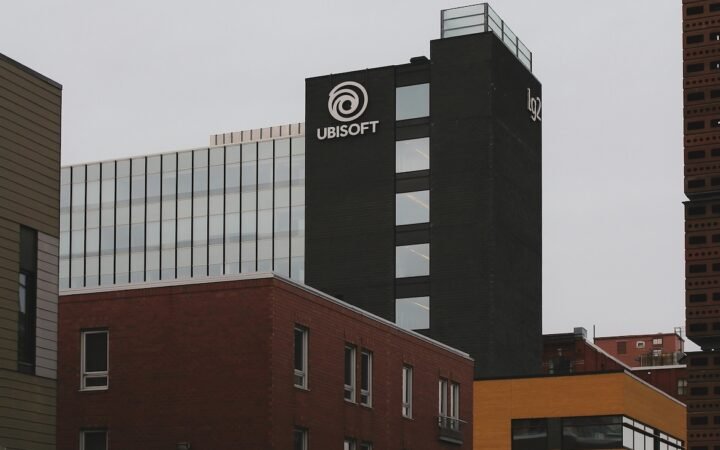
Shares of Ubisoft collapsed nearly 33% in a single session after the French video game publisher announced sweeping restructuring measures and the cancellation of several projects. The drop marks the company’s steepest one-day decline since its 1996 market debut.

U.S. equities suffered a sharp selloff that wiped out roughly $1.4 trillion in market value in a single session, marking the worst daily performance since October 2025. While stocks and cryptocurrencies tumbled, gold surged to a fresh all-time high.