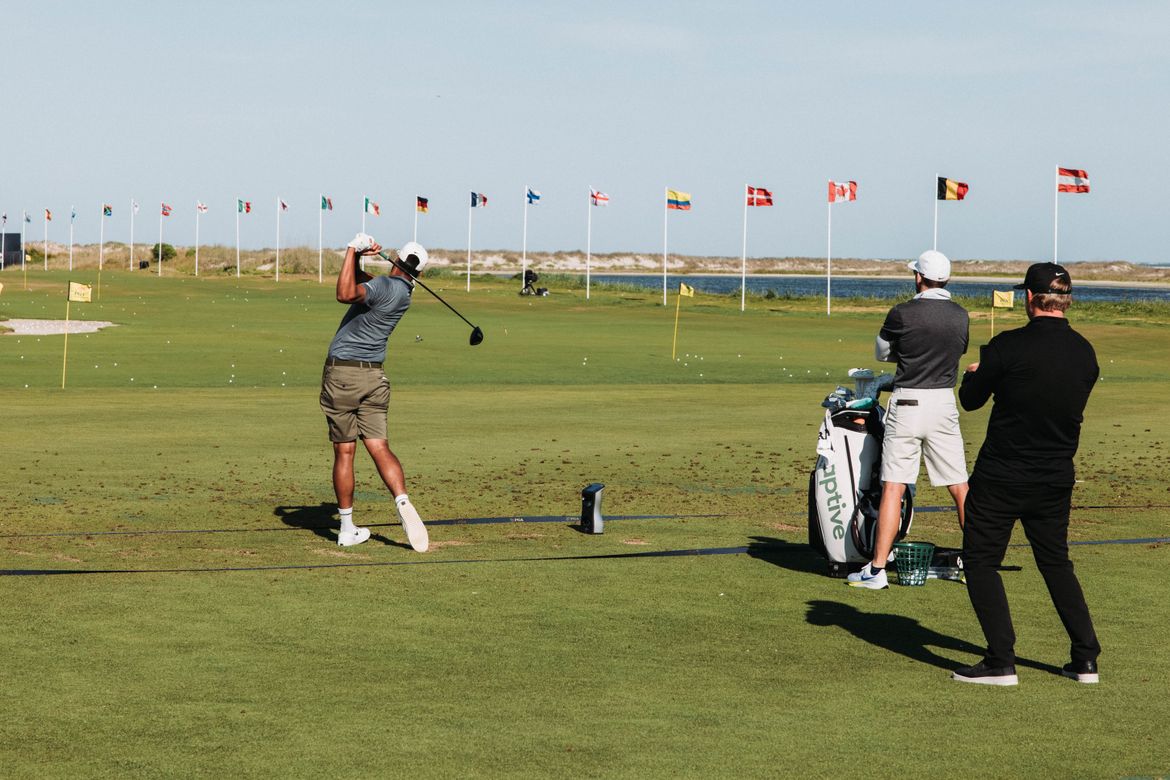
LIV Golf has filed for Chapter 11 bankruptcy protection in New Jersey, marking a dramatic turning point for the professional golf league after Saudi Arabia’s Public Investment Fund decided to end its long-term financial support.
Court documents show LIV Golf has estimated assets of between $100 million and $500 million and liabilities ranging from $500 million to $1 billion. The league intends to use the bankruptcy process to restructure rather than liquidate, with management targeting an emergence from Chapter 11 in early 2027.
The restructuring could fundamentally change who owns LIV Golf. Under the proposed model, players would collectively become majority owners of the reorganized league, while BC Partners Credit and other potential investors would provide fresh financing.
Saudi Arabia Steps Back After Investing More Than $5 Billion
LIV Golf’s financial model had depended heavily on Saudi Arabia’s Public Investment Fund since the league’s launch.
PIF has invested more than $5 billion into LIV Golf, helping finance massive contracts that attracted prominent PGA Tour players including Jon Rahm, Bryson DeChambeau and Dustin Johnson. It currently owns LIV Golf’s equity, according to the bankruptcy filing.
But PIF said earlier this year that continued investment in the league no longer aligned with its strategy and would end funding after the 2026 season.
PIF has agreed to provide $49.6 million in debtor-in-possession financing during the bankruptcy process, subject to court approval. The financing is intended to support LIV while it restructures.
BC Partners Credit is expected to play a central role in what comes next. The private equity firm’s proposed financing package is worth approximately $300 million, according to Axios, and would help recapitalize LIV following bankruptcy.
Players Could Become LIV Golf’s Majority Owners
The most significant part of the proposed restructuring is the shift toward player ownership.
Under BC Partners’ proposal, LIV players would collectively receive more than 50% of the reorganized league, transforming professional golfers from highly paid contractors into its controlling shareholder group. Players could also receive substantial ownership positions in individual teams.
That structure would represent a major departure from LIV’s original model, under which Saudi financing supported enormous guaranteed contracts and signing bonuses.
However, the transition comes with considerable uncertainty because many of the same players LIV hopes will become owners are also among its largest creditors.
Rahm, DeChambeau and Johnson are LIV Golf’s three largest unsecured creditors, with each owed more than $5 million. Rahm’s unsecured claim is nearly $7.5 million, according to bankruptcy disclosures.
LIV Golf Targets a 2027 Comeback
LIV is positioning the bankruptcy as a restructuring designed to preserve the league rather than end it.
CEO Scott O’Neil has outlined plans for a smaller and potentially more sustainable “LIV Golf 2.0.” Proposed changes include expanding tournament fields from 57 to 75 players, introducing a 54-hole cut, adding Monday qualifiers and restructuring the team format around national identities.
The league hopes to emerge from bankruptcy and begin its new era in early 2027, although the transaction remains subject to court and stakeholder approval.
LIV’s bankruptcy represents a striking reversal for a sports venture that spent billions of dollars challenging the PGA Tour and reshaping professional golf.
Whether the league survives will now depend less on Saudi Arabia’s willingness to finance enormous losses and more on whether its players and new investors believe a restructured LIV Golf can become a sustainable business.