Brent crude surged above $100 a barrel as a dramatic escalation in fighting between the United States and Iran raised fears that already-disrupted Middle Eastern oil supplies could face another severe shock.
Front-month Brent futures settled Wednesday at $101.21 a barrel, up $3.29, or 3.4%, after reaching an intraday high of $101.58. U.S. West Texas Intermediate crude gained $3.02, or 3.25%, to settle at $96.05 a barrel. Both benchmarks recorded their highest closes since May 22.
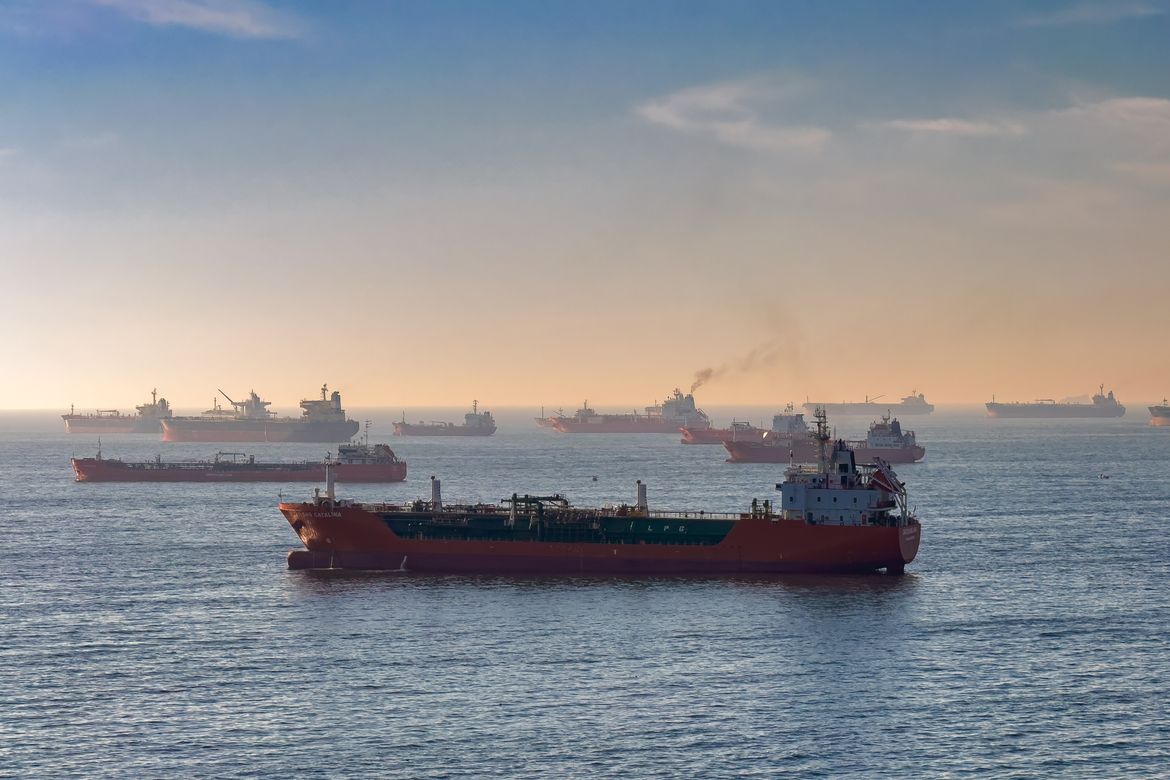
The rally followed the largest wave of attacks on shipping since the current conflict began. Iran said it struck 10 ships near the Strait of Hormuz after U.S. forces sank five Iranian oil tankers, sharply escalating the confrontation around one of the world’s most important energy corridors.
Strait of Hormuz Returns to Center of Oil Crisis
The biggest concern for energy markets is the Strait of Hormuz, the narrow waterway connecting the Persian Gulf with global shipping routes.
Before the war began in February, roughly one-fifth of the world’s oil and liquefied natural gas supply passed through the strait. Commercial traffic has since fallen dramatically.
According to preliminary Kpler data, only six commodity vessels crossed the strait on Tuesday, compared with nine the previous day and a 10-day average of around 12. Before the conflict, the route typically handled approximately 125 large commercial vessels per day.
Estimates of actual oil volumes moving through Hormuz remain unusually uncertain because some vessels are operating without their tracking systems. Reuters reported that flows had recently fallen below 2 million barrels per day, after reaching roughly 8 million to 9 million barrels per day in the week before fighting resumed on August 30.
That uncertainty itself is increasingly becoming part of the price of oil.
U.S. and Iran Escalate Attacks on Tankers
The latest confrontation has moved beyond threats and sanctions into direct attacks on energy shipping.
The U.S. military said it destroyed five Iranian oil tankers overnight in response to attempts by Iran’s Revolutionary Guard to strike a U.S. Navy warship with ballistic missiles. Washington has said Iranian attempts to attack American naval vessels will trigger retaliatory strikes against tankers.
Iran responded by saying it attacked two U.S. ships and eight tankers. Tehran also warned that it would sharply escalate its response to further attacks and indicated that it plans to establish an expanded maritime exclusion zone.
Other incidents have added to supply fears. A tanker carrying roughly 2 million barrels of Iraqi fuel oil was struck by a drone in Iraqi waters, while multiple merchant vessels were reported hit across the Gulf and Gulf of Oman.
Meanwhile, renewed Houthi attacks on Saudi energy infrastructure have raised concerns that disruption could spread beyond Hormuz and affect alternative export routes.
$100 Oil Raises Inflation Risks
The return of triple-digit Brent prices has consequences far beyond energy markets.
U.S. gasoline prices were averaging around $4.22 per gallon, while diesel was approaching $6 per gallon as constrained crude supplies and refining disruptions pushed fuel costs higher.
The oil surge also weighed on stocks. The S&P 500 fell 0.48% Wednesday, while the Dow declined 0.77% and the Nasdaq Composite lost 0.64% as investors considered how a prolonged energy shock could affect inflation and interest rates.
The central question for markets is now whether the latest attacks represent another temporary escalation or the beginning of a more sustained disruption to Middle Eastern energy exports.
With Brent back above $100 and shipping through Hormuz severely constrained, markets are increasingly pricing in the possibility that the conflict and its impact on global energy supplies could last considerably longer than previously expected.