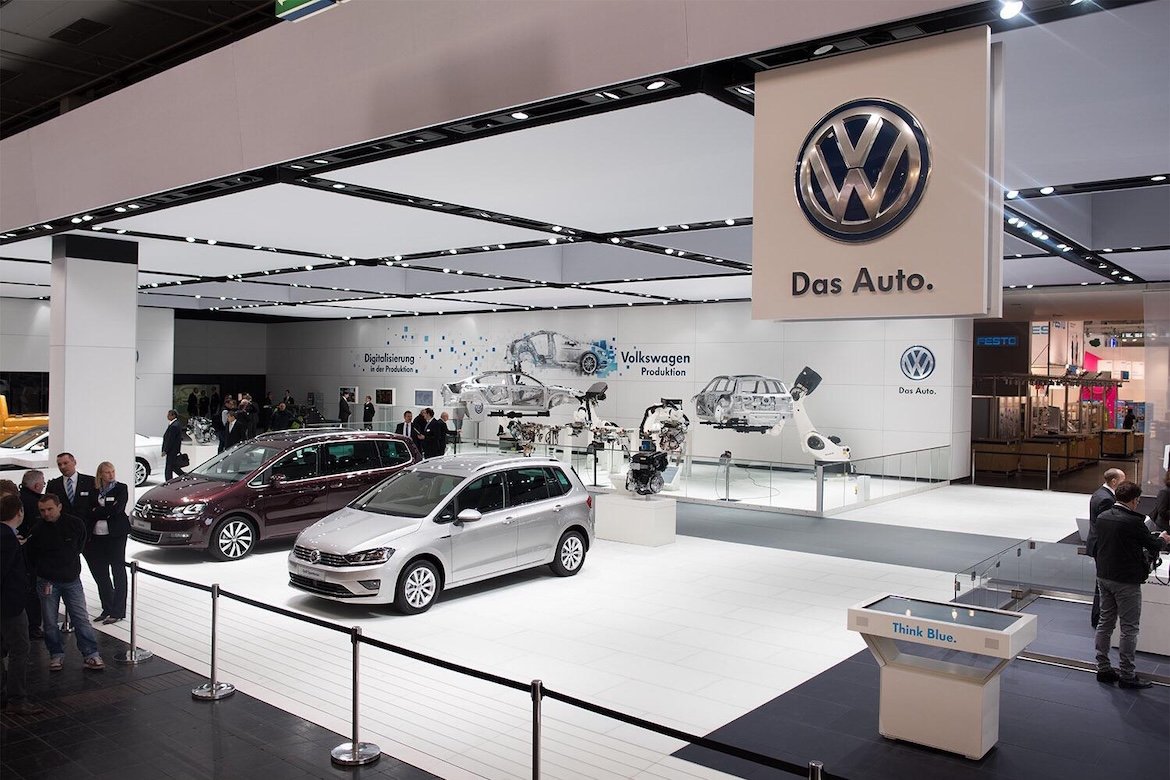
Volkswagen is set to close its Dresden automobile plant, marking the first shutdown of a production facility in Germany in the company’s 88-year history. The move underscores the growing strain on Europe’s largest economy as manufacturers grapple with higher costs, weaker demand, and shifting global trade dynamics.
The Dresden factory, once a symbol of German engineering prowess, produced up to 200,000 vehicles annually at its peak. Its closure represents not only a milestone for Volkswagen but also a broader signal of the challenges facing Germany’s industrial sector.
Economic and Energy Pressures Mount
Volkswagen cited a combination of economic and energy-related factors behind the decision. Germany’s loss of access to inexpensive energy has sharply increased production costs, squeezing margins across energy-intensive industries such as automotive manufacturing.
These pressures have been compounded by a broader economic slowdown and declining competitiveness. Volkswagen has already reduced its workforce significantly, with approximately 35,000 jobs cut as part of wider restructuring efforts. The Dresden shutdown is seen as a continuation of that cost-cutting drive rather than an isolated decision.
Trade developments have also weighed on the outlook. Additional U.S. tariffs on European-made vehicles have added to export challenges, while the knock-on effects of sanctions on Russia have disrupted traditional energy and supply relationships. As previously covered, Germany’s manufacturing sector has struggled to adapt quickly to this new operating environment.
Implications for Germany’s Industrial Model
The closure raises broader questions about the future of Germany’s export-driven industrial model. Long reliant on affordable energy, stable trade ties, and high-value manufacturing, the country now faces a recalibration as global supply chains fragment and geopolitical risks rise.
For Volkswagen, the move reflects a strategic shift toward concentrating production in more cost-efficient locations while accelerating investment in electrification and digitalization. However, analysts warn that continued plant closures could erode Germany’s role as the core manufacturing hub of Europe.
Investors and policymakers alike are watching closely. The shutdown may intensify calls for government support measures, including energy price relief and industrial policy reforms, aimed at restoring competitiveness. Without structural changes, economists caution that similar decisions could follow across other manufacturers.
The Dresden plant’s closure stands as a stark reminder that even the most established industrial champions are not immune to prolonged economic and energy shocks.