Key Notes
- OKXICE opened tokenized-securities trading with 113 assets confirmed for a phased rollout.
- Some 56 of the 62 companies initially targeted objected to having their stocks traded on the venue.
- Nasdaq and Payward are developing an issuer-centered alternative targeted for the second quarter of 2027.
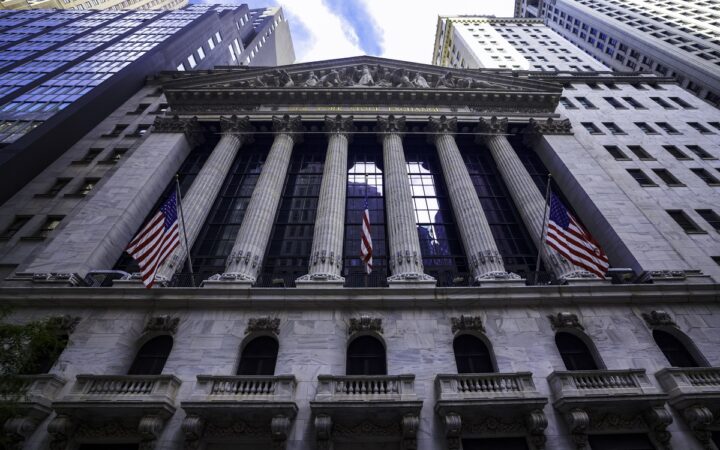
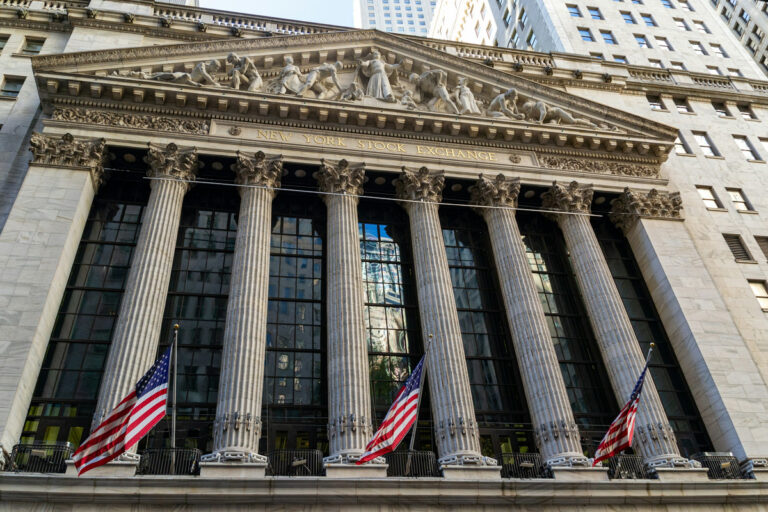
OKX and New York Stock Exchange owner Intercontinental Exchange (NYSE: ICE) opened a round-the-clock venue for tokenized US securities on Monday, pushing ahead after most companies in its original stock lineup opted out.
Of the 62 companies initially targeted, 56 objected to having their shares traded on OKXICE, CNBC reported. The resistance exposes a practical obstacle for blockchain-based stock markets: getting issuers comfortable with trading that continues long after the closing bell.
Why So Many Issuers Said No
The venture’s October filing gave companies an opportunity to object before their shares could appear on the platform. Under the SEC’s exemption, venues using an unaffiliated third-party tokenizer must notify the underlying issuer and allow it to object.
People involved in issuer discussions told CNBC that the 30-day window left companies little time to assess the proposal. Investor-relations teams were concerned about how continuous trading would affect the timing of announcements and the way news feeds into share prices.
That leaves room for attitudes to change. An issuer declining this particular venue has not necessarily rejected tokenization altogether. The distinction matters to exchanges trying to win corporate support as well as attract traders.
113 Assets, Added in Stages
OKX announced a noon Eastern launch with 113 assets confirmed for a phased rollout, including stocks, exchange-traded funds and other exchange-traded products. That total does not mean every asset was available when trading began.
Participating issuers include Coinbase (NASDAQ: COIN) and Robinhood (NASDAQ: HOOD). Access is limited to eligible US customers who complete identity checks and the required wallet onboarding.
The tokens represent security entitlements backed one-for-one by underlying shares, with applicable dividend and voting rights. Trades run through automated liquidity pools on OKX’s X Layer blockchain, while customers hold the assets in their own wallets.
ICE’s involvement also needs a distinction: the NYSE does not operate or oversee OKXICE. The venue operates under temporary SEC relief, rather than as a registered exchange, and OKX says it is not SEC-approved. Token prices can diverge from the underlying shares, especially outside regular market hours.
Nasdaq Takes Another Route
Nasdaq (NASDAQ: NDAQ) is developing an issuer-centered model with Payward, the parent of Kraken. The partners expect to launch Nasdaq Equity Tokens in the second quarter of 2027, alongside an expanded relationship that includes a $100 million investment agreement and market-surveillance technology.
The commercial appeal extends beyond longer trading hours. More mobile securities could ease transfers and make collateral easier to deploy across financial institutions. For exchanges, the opportunity is to retain a role in the infrastructure as assets move onto blockchain networks.
OKXICE now has a venue to demonstrate that proposition. Its next challenge is to turn an expanding asset roster into dependable liquidity and persuade more issuers that continuous trading is worth the operational changes it requires.
Disclaimer: MarketSpeaker content is provided for informational and educational purposes only and does not constitute financial or investment advice. Investing involves risk, including the possible loss of principal. Verify information independently and consult a qualified professional before making financial decisions.