
Oil Falls to 3.5-Month Low as U.S. – Iran Peace Hopes Erase War Premium
Oil prices fell below $74 per barrel, reaching a 3.5-month low as hopes for a U.S.-Iran agreement continue to ease supply concerns.
Explore MarketSpeaker's latest reporting, research, and expert analysis tagged with "energy markets", collected in one continuously updated archive.
Oil prices fell below $74 per barrel, reaching a 3.5-month low as hopes for a U.S.-Iran agreement continue to ease supply concerns.
Oil prices fell more than 7% below $76 per barrel as traders reacted to reports of a potential U.S.-Iran agreement.
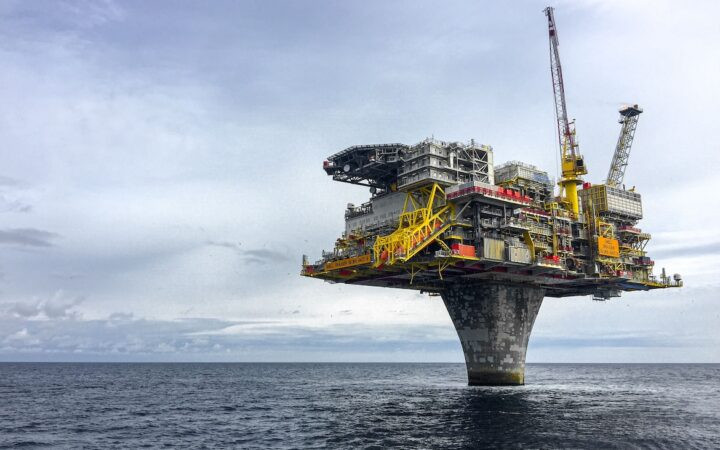
The United States has become the world’s largest oil exporter, surpassing Saudi Arabia and Russia as record crude and fuel shipments reshape global energy markets.
NextEra agreed to buy Dominion Energy in a $66.8 billion deal driven by rising AI-related electricity demand.
Oil prices climbed after Trump said the U.S.-Iran ceasefire remains on “massive life support,” renewing supply disruption concerns.
Brent crude oil plunged more than 11% as easing geopolitical concerns reduced fears of supply disruptions.
Oil jumps over 10% after the U.S. orders a Strait of Hormuz blockade, raising fears of major supply disruptions.

Oil prices resumed gains after Iran accused the U.S. of violating a ceasefire agreement. Renewed tensions are fueling concerns over supply disruptions.
Oil drops 16% in one hour, marking one of the largest intraday declines in market history.
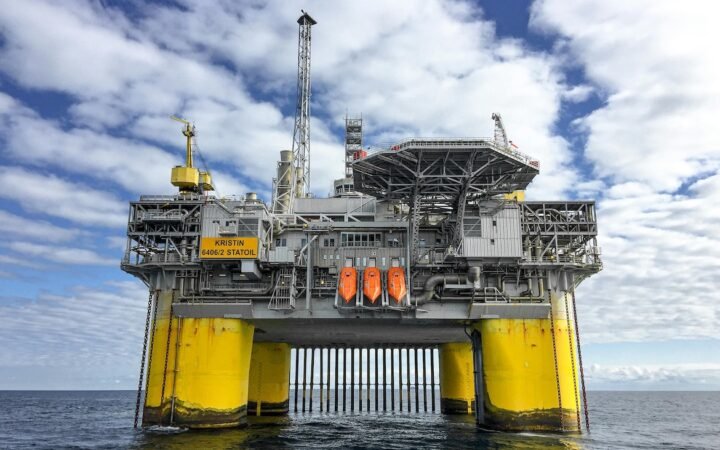
Oil prices fell sharply after President Donald Trump postponed potential U.S. strikes on Iran’s energy infrastructure. The delay eased fears of immediate supply disruptions in the Middle East.
U.S. oil futures head for a record monthly gain near 60% as supply disruptions trigger historic market volatility.
Brent reaches $87 and U.S. crude tops $80 for the first time in over a year as oil prices surge.
U.S. oil prices jump toward $69 per barrel, hitting a multi-month high as tensions with Iran escalate.
Oil prices fell about 2% as Iraq restored production at an oilfield supplying roughly 0.5% of global output, while continued Ukraine talks reduced geopolitical risk.
OPEC+ keeps output steady for early 2026 and adopts a new capacity assessment mechanism for setting baselines from 2027.