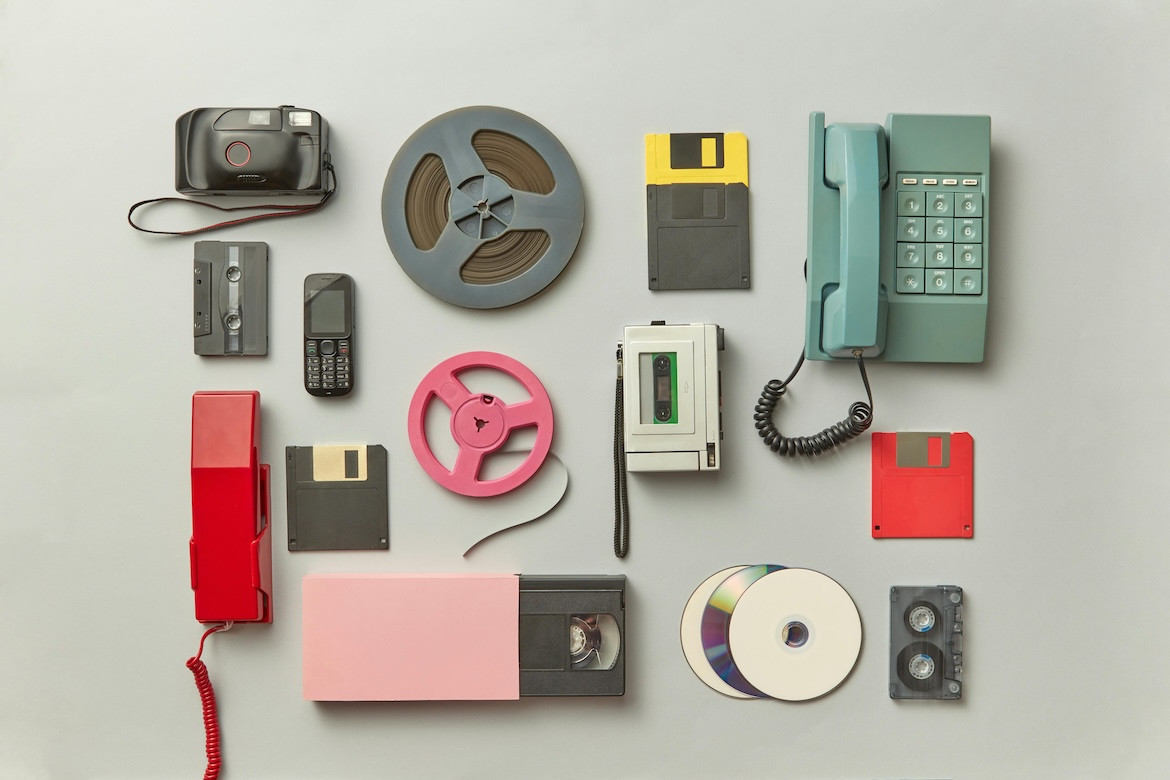
A 28-year-old entrepreneur built a booming business selling refurbished retro technology to younger consumers as nostalgia and digital fatigue fuel demand for older devices.
The New York-based founder reportedly generated more than $750,000 in revenue within a year by restoring and reselling vintage gadgets including old Motorola phones, CD players, MP3 devices, digital cameras, cassette players, and vinyl equipment.
The business also attracted approximately $300,000 in investment funding as interest in retro technology accelerated online.
Gen Z Turns to Simpler Technology
Analysts say the trend reflects growing frustration among younger consumers with constant smartphone usage, social media addiction, and digital overstimulation.
Many Gen Z buyers are increasingly purchasing so-called “dumb phones” and offline gadgets as a way to disconnect from always-online digital environments.
The entrepreneur initially began by purchasing old Motorola phones, restoring them, and reselling them at significantly higher prices.
According to reports, early inventory sold out within minutes, prompting expansion into broader categories of retro electronics.
The trend has also attracted millennials seeking nostalgia tied to early-2000s technology and media culture.
Retro Technology Becomes Growing Consumer Trend
Demand for vintage electronics has grown rapidly alongside broader nostalgia-driven consumer behavior across fashion, gaming, music, and entertainment.
Analysts note that retro gadgets increasingly function not only as practical devices, but also as lifestyle products representing simplicity and reduced digital dependence.
The resurgence of physical media and offline devices has become especially visible among younger consumers searching for alternatives to algorithm-driven online experiences.
At the same time, social media itself has helped amplify the trend through viral content centered around vintage technology aesthetics and early internet culture.
Investors are increasingly paying attention to niche consumer businesses built around nostalgia, personalization, and anti-tech sentiment.
The broader takeaway is that growing digital exhaustion may be creating new business opportunities around simpler, offline-focused technology experiences once considered obsolete.