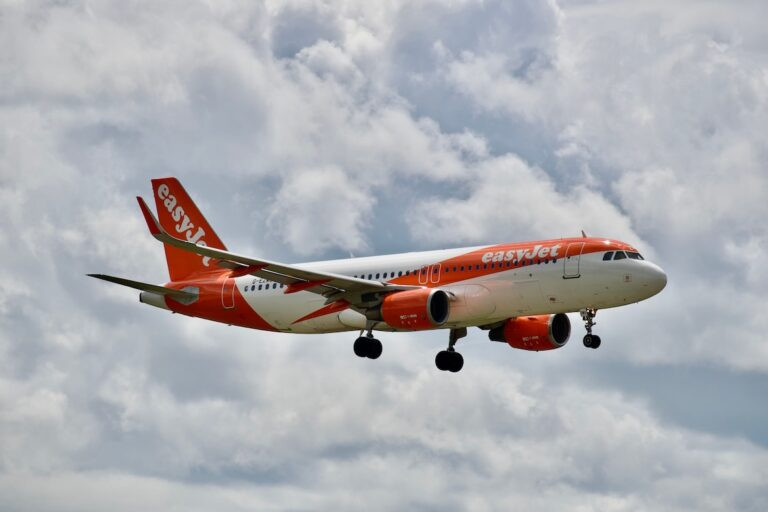
EasyJet has agreed in principle to a £5.2 billion takeover proposal from U.S. investment firm Castlelake, marking a significant breakthrough after months of negotiations and four previously rejected offers.
The latest proposal values the low-cost airline at 690 pence per share in cash, representing a substantial premium to where the stock traded before Castlelake disclosed its interest. The easyJet board said the financial terms are at a level it would be prepared to recommend to shareholders if a formal offer is submitted.
The agreement remains non-binding, with Castlelake required to submit a firm offer before the regulatory deadline in early August.
Fifth Offer Finally Wins Board Support
Castlelake first approached easyJet earlier this year and gradually increased its offer after the airline repeatedly rejected earlier proposals as undervaluing the business.
Previous bids ranged from £5.60 to £6.50 per share before the investment firm returned with its latest proposal worth 690 pence per share. The improved valuation ultimately persuaded the board to enter into an agreement in principle.
The transaction would take one of Europe’s largest low-cost airlines private if completed.
However, the deal still faces several hurdles before it can close.
Regulatory Challenges Remain
One of the biggest obstacles involves European Union airline ownership rules, which require EU airlines to remain majority owned and controlled by EU interests.
Because Castlelake is a U.S.-based investment firm, the proposed acquisition includes a structure under which EU nationals would control a majority of the acquisition vehicle to satisfy regulatory requirements. Former easyJet executive Peter Bellew is expected to play a key role in that structure.
Market participants also remain cautious about the likelihood of completion.
EasyJet shares continue to trade below the proposed offer price, reflecting investor concerns that regulatory approval, shareholder support, or competing bids could still affect the outcome. Founder Stelios Haji-Ioannou, who remains one of the airline’s largest shareholders, has not yet publicly stated whether he supports the transaction.
Pressure Across the Airline Industry
The proposed takeover comes during a challenging period for European airlines, which continue to navigate higher operating costs, geopolitical uncertainty, and volatile fuel prices.
Despite those headwinds, easyJet remains one of Europe’s largest short-haul carriers, transporting tens of millions of passengers each year while operating an extensive Airbus fleet.
Castlelake has indicated it intends to support easyJet’s existing strategy, including continued fleet modernization and investment in future growth, rather than pursuing a major restructuring immediately after the acquisition.
The broader takeaway is that the proposed acquisition highlights growing private equity interest in publicly traded European companies whose valuations remain well below historical levels. If completed, the transaction would rank among the largest airline buyouts in recent years and could signal further consolidation across the European aviation sector.