Germany’s largest automakers are accelerating cost-cutting efforts as competition from Chinese vehicle manufacturers intensifies, raising concerns about the long-term strength of Europe’s biggest industrial sector.
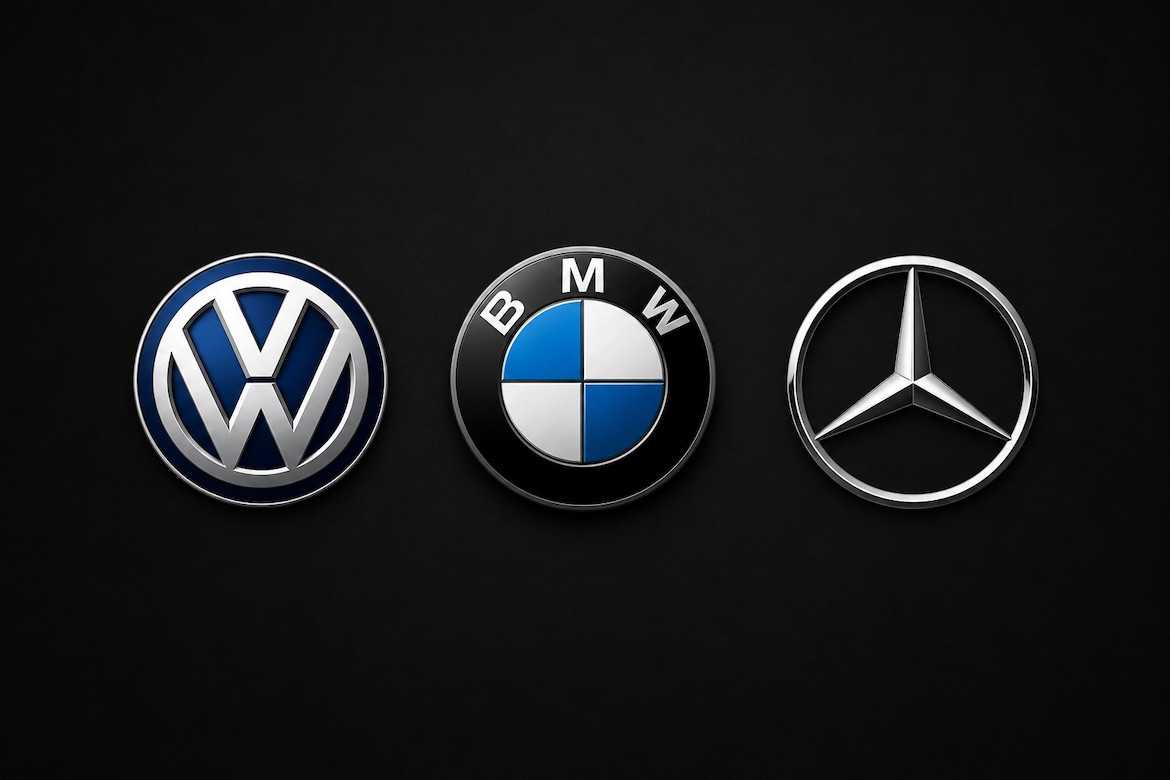
Volkswagen, BMW, and Mercedes-Benz have each announced workforce reductions or new efficiency measures as Chinese brands continue expanding both domestically and internationally. According to the Financial Times, executives increasingly fear that China’s rapidly growing automotive industry could permanently weaken one of the key pillars of Germany’s economy.
The changes reflect a broader shift in the global auto industry, where traditional European manufacturers are facing mounting pressure from competitors that have rapidly gained scale in electric vehicles, battery technology, and software-defined cars.
Volkswagen Plans Major Restructuring
Volkswagen is preparing one of its largest restructuring programs in decades.
The company could eliminate up to 100,000 jobs by 2030 while also ending vehicle production at four factories in Germany. The planned reductions are part of a broader effort to improve profitability and reduce costs as demand weakens in key markets and competition intensifies.
Volkswagen has struggled to defend its market position in China, where domestic manufacturers have rapidly increased sales through lower-priced electric vehicles and faster product development cycles.
The restructuring highlights the growing challenges facing European automakers that once dominated the Chinese market but are now losing ground to local competitors.
Mercedes-Benz and BMW Also Reduce Costs
Mercedes-Benz has introduced its own cost-saving measures, including canceling summer bonus payments and expanding voluntary departure programs.
According to the company, approximately 5,500 employees have already participated in voluntary exit packages designed to reduce headcount without mandatory layoffs.
BMW has also lowered its profit outlook, citing weaker demand in China and disruptions linked to the conflict involving Iran, which affected parts of the global automotive supply chain.
The automaker is reportedly planning to reduce its workforce by around 10,000 employees. Investor sentiment has weakened alongside the company’s outlook, with BMW shares falling roughly 13% since the middle of June.
The announcements demonstrate that the pressure extends across Germany’s entire automotive sector rather than affecting a single manufacturer.
Chinese Brands Continue Expanding
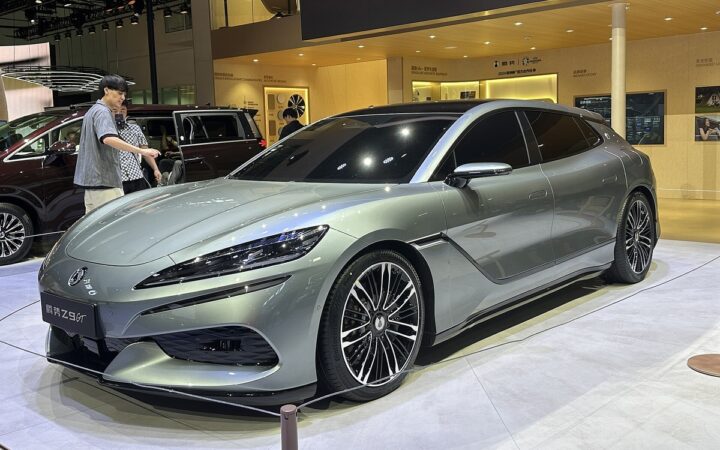
The restructuring comes as Chinese automakers continue capturing market share at an unprecedented pace.
Manufacturers including BYD and Chery have expanded rapidly through competitive pricing, vertically integrated supply chains, and aggressive investment in electric vehicles.
Their combined share of the global automotive market has now exceeded 10% for the first time, marking a significant milestone in the industry’s competitive landscape.
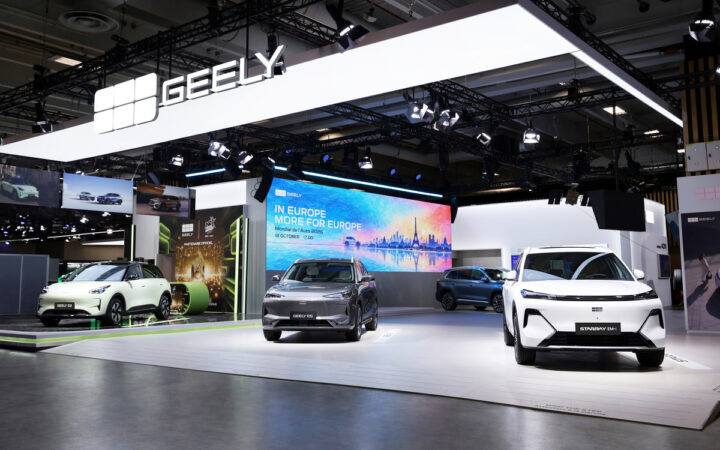
Chinese companies have also accelerated exports to Europe, Latin America, Southeast Asia, and the Middle East, reducing dependence on domestic demand while increasing pressure on established global manufacturers.
At the same time, they continue introducing new models more quickly than many traditional competitors, particularly in the electric vehicle segment where software capabilities have become increasingly important.
A Turning Point for Europe’s Auto Industry
Germany’s automotive sector has long served as one of the country’s largest employers and export industries, supporting hundreds of thousands of jobs directly and indirectly.
However, the rapid emergence of Chinese manufacturers has forced legacy automakers to rethink production strategies, cost structures, and technology investments.
Analysts increasingly view the current restructuring efforts as more than temporary cost reductions, arguing they represent a structural response to a changing competitive environment.
The broader takeaway is that Germany’s largest automakers are entering a new phase of transformation. As Chinese manufacturers continue gaining market share through lower costs and faster innovation, European carmakers are increasingly prioritizing restructuring and efficiency in an effort to preserve their competitiveness in the global automotive market.