Silver Smashes Records Above $82, Becomes World’s Second-Largest Asset
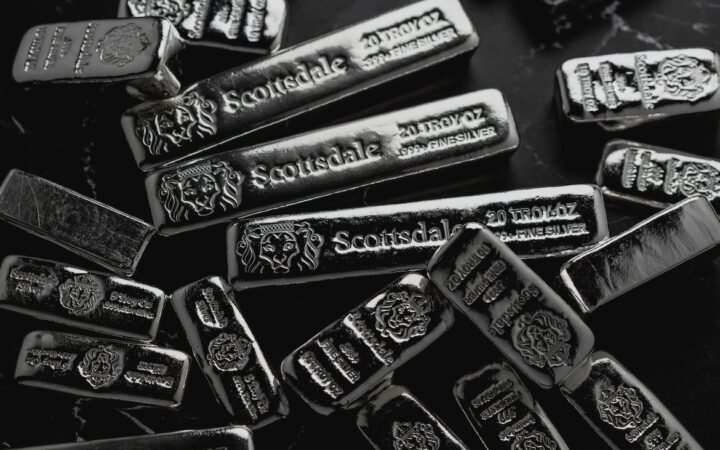
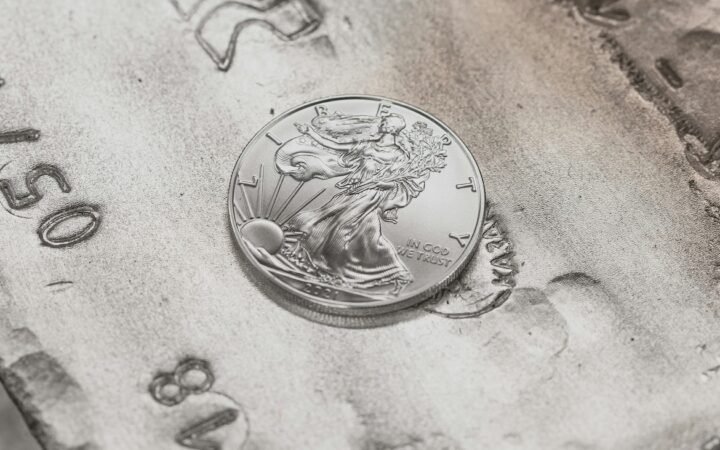
Silver surged to a historic high above $82 per ounce, posting its strongest performance since 1979 and overtaking Nvidia by market value amid an explosive commodities rally.
Spot silver climbed to $70 per ounce for the first time ever, extending a powerful rally driven by supply shortages, strong investment demand, and spillover momentum from gold.
Copper prices surged past $12,000 per metric ton for the first time on record, driven by supply disruptions and trade distortions tied to U.S. tariff policy, marking the metal’s strongest annual performance in over a decade.
Gold surged to a new all-time high above $4,400 as investors intensified bets on U.S. interest rate cuts, driving strong demand for precious metals. Silver also climbed to fresh peaks, reinforcing bullish momentum across commodities.
Spot silver reached $60 per ounce for the first time ever, propelled by tight supplies and growing demand. The surge is drawing fresh scrutiny as supply shortages, rising industrial demand, and speculative flows reshape silver’s traditional role.
The Bank for International Settlements says gold’s 60% surge alongside record-setting equities marks an unusual pattern that may signal speculative excess across major markets.
Gold prices retreated from a six-week high as rising U.S. Treasury yields and investor profit-taking weighed on the metal, while silver pulled back from its record peak.
Silver has outperformed gold in 2025, soaring 71% amid tightening supply, emptying vaults, and accelerating industrial demand from EVs, AI hardware, and solar technologies. Analysts say prices may continue rising.
Deutsche Bank increased its 2026 gold price forecast to $4,450 per ounce, citing stronger investor flows and persistent central-bank buying that continue to tighten supply.
Gold climbed over 1% to its highest level in nearly two weeks after soft U.S. economic data strengthened expectations of a Federal Reserve rate cut next month, lifting demand for non-yielding bullion.
China’s net gold imports via Hong Kong fell sharply in October, sliding about 64% from September as softer domestic demand and high global prices curbed buying activity.
Gold prices declined after a stronger-than-expected U.S. labor report and a firmer dollar, which reduced expectations of an imminent interest-rate cut by the Federal Reserve.
Deutsche Bank is re-establishing its presence in global precious-metals trading after a hiatus, generating well over $100 million in first-half revenues and signalling a strategic shift toward bullion markets.
Gold prices edged higher following two consecutive days of losses, as markets trimmed expectations for a near-term U.S. rate cut and investors reassess safe-haven dynamics.
Cocoa futures dropped below $5,300 per ton on ICE for the first time since 2024, pressured by expectations of U.S. tariff cuts and improving West African harvests.