Warner Bros. Discovery Shareholders Approve $110 Billion Paramount Deal

Warner Bros. Discovery shareholders approved a $110 billion merger with Paramount, advancing one of the largest media consolidation deals in recent years.

By Emma Clarke | Edited by Oleg Petrenko Published:
Warner Bros. Discovery Shareholders Approve $110 Billion Paramount Deal
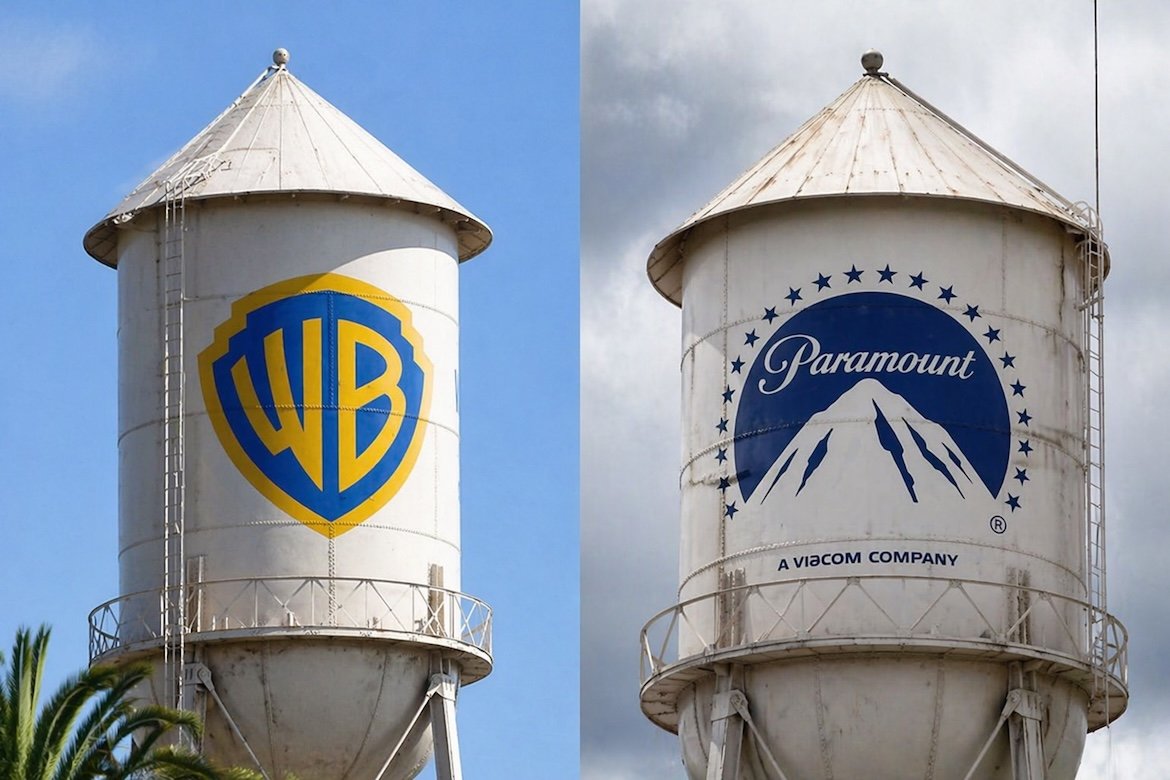
Warner Bros. Discovery shareholders approved a $110 billion merger with Paramount, moving forward one of the largest media consolidation deals in recent years. Photo: Oleg Petrenko / MarketSpeaker

Warner Bros. Discovery shareholders have approved the company’s $110 billion merger with Paramount, clearing a key hurdle for one of the largest consolidation deals in the global media industry.

The vote paves the way for the combination of two major entertainment companies, as they seek to strengthen their position in an increasingly competitive streaming landscape dominated by global platforms.

The deal, which also involves Skydance Media, is expected to reshape the competitive dynamics of the sector by combining content libraries, production capabilities, and distribution networks.

Strategic Merger Aims to Strengthen Streaming and Content Scale

The merger reflects growing pressure on traditional media companies to scale up in order to compete with streaming giants and technology platforms.

By combining Warner Bros. Discovery’s extensive portfolio with Paramount’s content assets, the new entity aims to enhance its ability to attract subscribers and compete globally.

Executives have emphasized potential synergies, including cost savings, improved content distribution, and stronger negotiating power with advertisers and partners.

As previously covered, consolidation has become a defining trend in the media industry, as companies seek to balance rising content costs with the need to expand their audience reach.

The involvement of Skydance Media further strengthens the production pipeline, adding to the combined company’s ability to deliver high-profile film and television projects.

Market Implications Highlight Ongoing Media Industry Consolidation

The approval underscores a broader shift toward consolidation as companies respond to changing consumer behavior and intensifying competition.

Investors are closely watching whether the combined entity can achieve the expected synergies and deliver sustainable growth in a challenging market environment.

The streaming sector has faced slowing subscriber growth and increasing profitability pressures, prompting companies to explore strategic combinations.

At the same time, large-scale mergers carry execution risks, including integration challenges and potential regulatory scrutiny.

For markets, the deal highlights a key theme: scale is becoming increasingly critical in the media and entertainment industry, particularly as content costs rise and competition intensifies.

The success of the Warner Bros. Discovery–Paramount combination will likely influence future consolidation moves across the sector.


Anthropic Tops $1 Trillion on Secondary Markets, Overtakes OpenAI Valuation

Anthropic is trading at a $1 trillion valuation on secondary markets, surpassing OpenAI and highlighting shifting investor sentiment in AI.

By Daniel Wright | Edited by Oleg Petrenko Published:
Anthropic Tops $1 Trillion on Secondary Markets, Overtakes OpenAI Valuation
Anthropic is valued at around $1 trillion on secondary markets, surpassing OpenAI and reflecting shifting investor sentiment in the AI sector. Photo: Oleg Petrenko / MarketSpeaker

Anthropic is being valued at approximately $1 trillion on secondary markets, surpassing OpenAI and marking a significant shift in investor sentiment within the artificial intelligence sector.

Shares of Anthropic on platforms such as Forge Global have surged sharply, pushing the company’s implied valuation well above its most recent funding round just three months ago, when it was valued at around $380 billion.

In contrast, OpenAI is currently trading at an estimated $880 billion on the same secondary market, only slightly above its last primary funding valuation.

Secondary Market Surge Reflects Changing AI Leadership Narrative

The sharp increase in Anthropic’s valuation underscores growing investor confidence in the company’s positioning within the AI ecosystem.

Secondary markets often act as an early signal of shifting sentiment, particularly for high-profile private companies where access to shares is limited.

Anthropic’s rapid valuation expansion suggests strong demand for exposure to its AI models and infrastructure, as investors look for alternatives to more established players.

As previously covered, capital has been flowing aggressively into AI companies, driving valuations higher across both public and private markets.

The divergence between Anthropic and OpenAI valuations may reflect differences in perceived growth potential, strategic partnerships, and product positioning.

Market Implications Highlight Intensifying Competition in AI

The development highlights how quickly leadership dynamics in the AI sector can shift as companies compete for talent, capital, and technological breakthroughs.

Investors are increasingly evaluating firms not just on current capabilities, but on long-term scalability and monetization potential.

The rise of secondary market valuations also reflects limited access to primary funding rounds, pushing investors to seek exposure through alternative channels.

However, analysts caution that secondary market pricing can be more volatile and less transparent than traditional funding rounds.

For markets, the shift underscores a broader theme: the AI race is entering a new phase where valuation leadership is fluid and closely tied to investor expectations.

Anthropic’s surge past the $1 trillion mark signals both the scale of opportunity in AI and the intensity of competition shaping the sector’s future.

FTX Portfolio Could Have Reached $114 Billion Had Assets Not Been Liquidated

FTX’s investment portfolio could be worth $114 billion today if assets hadn’t been sold during its 2022 collapse, driven by massive gains in AI and tech holdings.

By David Sinclair | Edited by Oleg Petrenko Published: Updated:
FTX Portfolio Could Have Reached $114 Billion Had Assets Not Been Liquidated
FTX’s investment portfolio could be valued at around $114 billion today if its assets hadn’t been liquidated during the 2022 collapse, fueled by sharp gains in AI and tech holdings. Photo: Oleg Petrenko / MarketSpeaker

FTX’s investment portfolio could have been worth approximately $114 billion today had its assets not been liquidated following the company’s collapse in 2022, according to estimates based on current valuations.

At the time of its bankruptcy, administrators moved quickly to sell off holdings to repay creditors, effectively locking in losses and forfeiting exposure to what has since become one of the strongest rallies in technology and artificial intelligence assets.

The missed upside highlights the dramatic surge in valuations across AI, crypto, and private tech companies over the past two years.

AI and Tech Holdings Drove Massive Hypothetical Gains

A significant portion of the unrealized gains would have come from investments in artificial intelligence and high-growth technology companies.

Anthropic alone would account for approximately $82.3 billion of the total, reflecting a roughly 165x increase in value. SpaceX holdings could be worth around $15 billion, representing a 75x gain.

Other positions include Cursor at an estimated $3 billion an extraordinary 15,000x return along with Robinhood at $4.9 billion (8x) and Genesis Digital at $3.5 billion (3x).

FTX also held a substantial position in Solana, now valued at approximately $5.1 billion, reflecting a 27x increase since the liquidation period.

As previously covered, the AI boom has driven unprecedented capital inflows into both public and private markets, significantly boosting valuations across the sector.

Market Lessons Highlight Timing and Forced Liquidation Risks

The case underscores the impact of forced liquidation during periods of market stress, where assets are often sold at depressed valuations to meet immediate obligations.

While the strategy helped repay creditors, it eliminated exposure to long-term growth themes that later delivered outsized returns.

Analysts note that such scenarios are common in financial crises, where liquidity pressures override investment horizons.

For investors, the example reinforces the importance of balance sheet resilience and risk management, particularly in volatile markets.

At the same time, the scale of the hypothetical gains reflects broader market dynamics, including the rapid expansion of AI valuations and the recovery of risk assets following the downturn.

The FTX case serves as a stark illustration of how timing, leverage, and liquidity constraints can significantly influence long-term investment outcomes.

Meta to Cut 10% of Workforce as It Pushes Efficiency Amid AI Spending

Meta plans to cut about 10% of its workforce, or over 8,000 jobs, as it streamlines operations and offsets rising AI-related costs.

By Emma Clarke | Edited by Oleg Petrenko Published:
Meta to Cut 10% of Workforce as It Pushes Efficiency Amid AI Spending
Meta plans to reduce its workforce by about 10%, or more than 8,000 jobs, as it streamlines operations and offsets rising AI-related costs. Photo: Dima Solomin / Unsplash

Meta Platforms is planning to cut approximately 10% of its workforce – more than 8,000 employees – as part of a broader effort to improve efficiency and manage rising costs tied to its aggressive investments in artificial intelligence.

The company will also eliminate around 6,000 open roles, signaling a significant slowdown in hiring alongside the workforce reduction. The move underscores a shift toward tighter cost controls as Meta continues to allocate substantial resources to AI infrastructure and product development.

Meta accounts for roughly 2.4% of the S&P 500’s total market capitalization, making the restructuring a notable development for broader equity markets.

Cost Cuts Reflect Pressure From AI Investment Cycle

The layoffs highlight the financial strain created by large-scale investments in AI, including data centers, chips, and advanced software development.

Meta has been ramping up spending to compete with other technology giants in building next-generation AI capabilities, particularly in generative AI and infrastructure.

By reducing headcount and freezing hiring, the company aims to offset these expenses and improve operating efficiency without slowing its long-term strategic initiatives.

As previously covered, major tech firms have increasingly balanced aggressive AI spending with cost discipline, often through layoffs and operational restructuring.

The decision also reflects a broader industry trend, where companies are reassessing workforce needs as automation and AI tools enhance productivity.

Market Implications Highlight Big Tech Cost Discipline

The restructuring is likely to be viewed positively by investors, who have increasingly rewarded technology companies for demonstrating financial discipline alongside growth investments.

Cost reductions could support margins and free up capital for continued AI expansion, reinforcing Meta’s position in the competitive tech landscape.

At the same time, the scale of the layoffs underscores the intensity of the AI investment cycle and its impact on corporate strategy.

Analysts note that Meta’s size and weight in major indices amplify the significance of its decisions, with potential implications for overall market sentiment.

For investors, the key question is whether Meta can successfully translate its AI spending into revenue growth while maintaining profitability.

The company’s ability to balance innovation with cost control will remain a central focus in the coming quarters, particularly as competition in the AI space continues to intensify.

American Airlines Cuts 2026 Outlook as Fuel Costs Surge

American Airlines lowered its 2026 earnings forecast as rising jet fuel prices significantly increased operating costs.

By Nathan Cole | Edited by Oleg Petrenko Published:
American Airlines Cuts 2026 Outlook as Fuel Costs Surge
American Airlines cut its 2026 earnings outlook as higher jet fuel prices significantly increased operating costs. Photo: Ross Sokolovski / Unsplash

American Airlines has cut its 2026 earnings projections, becoming the latest carrier to revise its outlook as a sharp rise in jet fuel costs adds significant pressure to operating expenses.

The company said higher fuel prices have added billions of dollars to its cost base, prompting a reassessment of its financial expectations for the coming year. The warning reflects broader challenges across the airline industry, where fuel remains one of the largest and most volatile expenses.

Shares moved lower following the announcement, as investors reacted to the weaker outlook and growing concerns over margin compression.

Fuel Price Surge Drives Cost Pressures Across Airlines

The increase in jet fuel prices has been driven in part by geopolitical tensions, particularly in the Middle East, which have disrupted energy markets and pushed oil prices higher.

For airlines, even modest increases in fuel costs can have an outsized impact on profitability, given the scale of consumption and limited ability to hedge against volatility in the short term.

American Airlines noted that the surge in fuel expenses is expected to outweigh gains from strong travel demand, highlighting the delicate balance between revenue growth and cost management.

As previously covered, multiple carriers have recently flagged similar concerns, underscoring a sector-wide challenge as fuel prices remain elevated.

The situation is particularly acute for U.S. airlines, which are highly sensitive to fluctuations in energy markets and face intense competition that limits pricing flexibility.

Market Reaction Reflects Broader Sector Risks

The downgrade in American Airlines’ outlook highlights investor concerns about the sustainability of earnings in the airline sector under current cost conditions.

Higher fuel prices not only reduce margins but also constrain airlines’ ability to offer competitive ticket pricing without eroding profitability.

Analysts note that while demand for travel remains relatively strong, rising input costs could offset much of the benefit, leading to weaker overall financial performance.

At the same time, geopolitical uncertainty continues to add volatility, making it difficult for airlines to plan capacity and pricing strategies effectively.

For investors, the key question is whether airlines can adapt through cost controls, efficiency improvements, or pricing adjustments, or if margins will remain under pressure in the near term.

The outlook for the sector will likely depend heavily on the trajectory of oil prices and the broader macroeconomic environment, both of which remain uncertain.

Netflix Authorizes $25 Billion Buyback as It Shifts Focus After M&A Exit

Netflix approved an additional $25 billion share buyback program, signaling a renewed focus on shareholder returns after abandoning a major acquisition plan.

By Emma Clarke | Edited by Oleg Petrenko Published:
Netflix Authorizes $25 Billion Buyback as It Shifts Focus After M&A Exit
Netflix authorized an additional $25 billion share buyback program, signaling a renewed emphasis on returning capital to shareholders after dropping a major acquisition plan. Photo: Anastasia Shuraeva / Pexels

Netflix has authorized an additional $25 billion share buyback program, marking a significant step toward returning capital to shareholders following its decision to abandon a major acquisition effort.

The new authorization comes on top of an existing buyback plan approved in December 2024, which still had approximately $6.8 billion remaining as of the end of March.

Shares rose modestly in premarket trading after the announcement, reflecting investor support for the move as the company pivots away from large-scale mergers and acquisitions.

Capital Return Strategy Follows Abandoned Acquisition Plans

The buyback decision follows Netflix’s withdrawal from a proposed $72 billion deal to acquire assets from Warner Bros. Discovery, a move that had previously weighed on the stock.

By shifting toward share repurchases, the company is signaling confidence in its financial position and long-term cash generation.

The new program has no expiration date, giving Netflix flexibility in how and when it executes repurchases depending on market conditions.

As previously covered, companies often increase buybacks after stepping back from large acquisitions, reallocating capital toward shareholder returns instead of external growth.

Netflix is also continuing to invest heavily in content and platform expansion, with expectations to spend roughly $20 billion annually on films and television production.

Market Implications Highlight Shift Toward Shareholder Returns

The $25 billion authorization underscores a broader strategic pivot, as Netflix balances growth initiatives with capital discipline.

Investors are likely to view the move as supportive for the stock, particularly after recent volatility tied to earnings expectations and strategic uncertainty.

At the same time, analysts note that the buyback does not fully clarify how Netflix plans to allocate capital for long-term growth beyond content and platform investments.

The company has been expanding into new areas such as advertising, live programming, and gaming, all of which could influence future revenue streams.

For markets, the development reflects a familiar theme: major tech companies are increasingly using buybacks to stabilize valuations and signal confidence amid shifting strategic priorities.

Netflix’s ability to combine capital returns with sustained growth will remain a key factor for investor sentiment in the coming quarters.