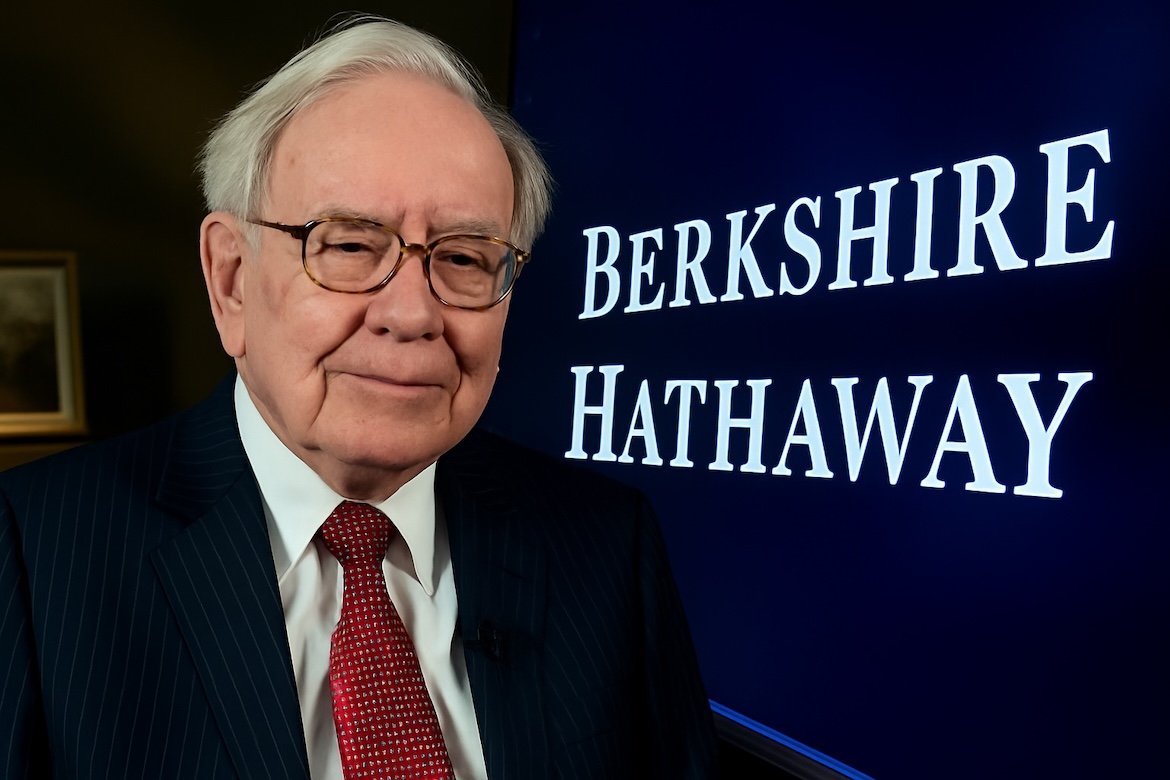

Legendary investor Warren Buffett announced that he will no longer personally write the annual shareholder letters for Berkshire Hathaway, ending one of the most iconic traditions in financial history. Buffett revealed his decision in a note to shareholders, calling it “time to step into quiet mode” after nearly six decades of reflections on investing, markets, and management philosophy.
Since 1965, Buffett’s letters have gone far beyond corporate reporting – they became essential reading for investors, economists, and business schools worldwide. Known for their mix of wit, wisdom, and financial insight, the letters chronicled not just Berkshire’s performance but also Buffett’s views on capitalism, risk, and long-term value creation. Many of his principles, such as “buying wonderful companies at fair prices” and “being fearful when others are greedy,” became cornerstones of modern investing thought.
Succession and Philanthropy Plans Accelerate
The announcement comes as Buffett, now 95, continues to transfer his $149 billion fortune to philanthropic foundations run by his children. Recent filings show he converted 1,800 Class A Berkshire shares into 2.7 million Class B shares, a step that facilitates charitable donations and smooths estate planning.
At the same time, Berkshire Hathaway confirmed that Greg Abel, vice chairman for non-insurance operations, will take over as CEO in 2026, while Buffett will remain as board chairman. Abel’s upcoming leadership marks a historic transition for a company long synonymous with its founder.
Financially, Berkshire remains in robust shape. The conglomerate’s cash pile hit $382 billion in the third quarter, while operating profit rose 34% year over year. Shares are up about 10% in 2025, driven by strong insurance underwriting and steady gains across its industrial and energy holdings.
The End of an Era for Investors
Buffett’s decision to stop writing signals the close of an extraordinary communication legacy that shaped investor education for generations. Analysts say his letters, which combined storytelling with financial rigor, helped define shareholder transparency in modern corporate culture.
As Berkshire prepares for its next chapter, Buffett’s focus now turns to legacy and philanthropy and ensuring that the principles he built the firm on endure beyond his lifetime. “The next decade belongs to the team,” he wrote. “My part is nearly done.”
For investors, it marks both a sentimental farewell and a reminder of Berkshire’s enduring strength – a company still guided by the philosophy of patience, prudence, and purpose.