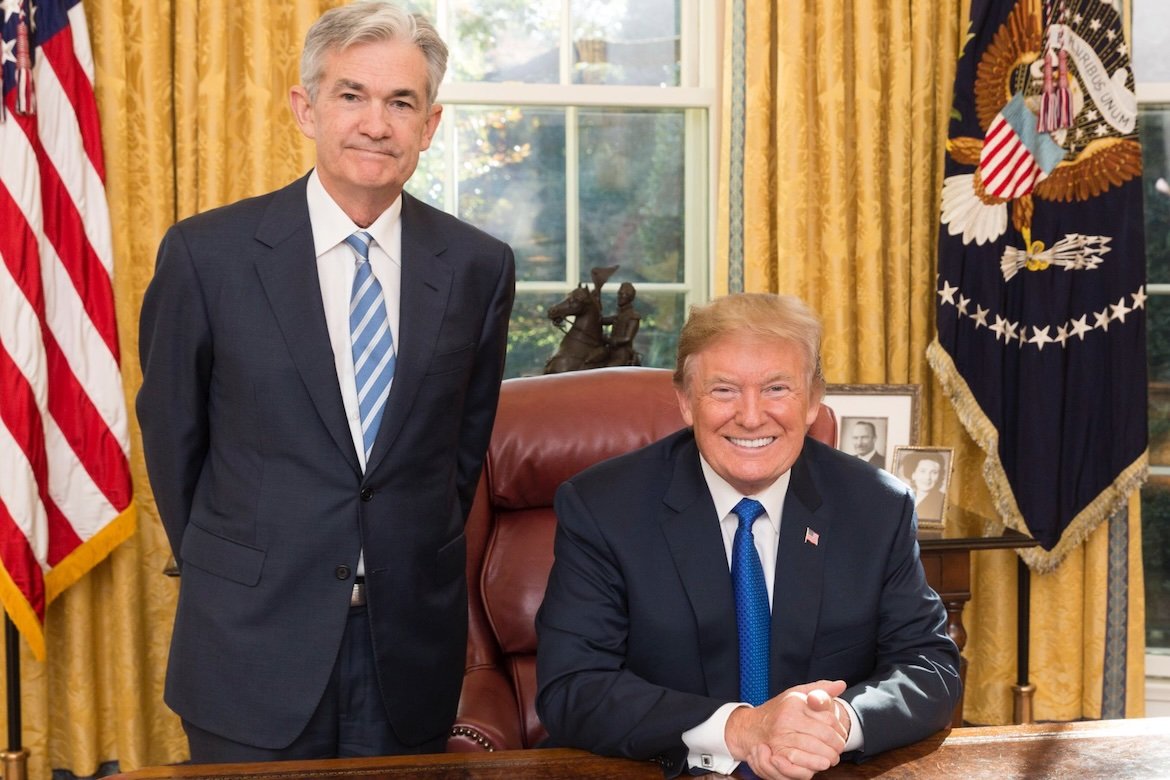

The U.S. Attorney’s Office in Washington has opened a criminal investigation into Federal Reserve Chair Jerome Powell, marking an unprecedented legal challenge for the head of the world’s most influential central bank.
The probe centers on the renovation of the Federal Reserve’s Washington headquarters and whether Powell misrepresented the scale and cost of the project in public statements and congressional testimony. According to people familiar with the matter, prosecutors are reviewing official disclosures and expense reports linked to the reconstruction.
The investigation was authorized in November and has since expanded, introducing a new layer of uncertainty around the Federal Reserve at a time when monetary policy remains highly contested.
Why prosecutors are scrutinizing the Fed chair
Investigators are examining whether Powell’s statements to Congress accurately reflected the scope and cost of the renovation project, and whether any discrepancies could amount to misleading lawmakers.
Powell has acknowledged that the Department of Justice issued grand jury subpoenas related to his June testimony before the Senate, describing the move as “unprecedented pressure” on the central bank. He has denied wrongdoing and said the issue goes beyond construction costs.
According to Powell, the legal pressure is closely tied to broader political tensions over monetary policy, particularly the Federal Reserve’s refusal to cut interest rates as aggressively as some political leaders have demanded. He warned that using criminal investigations to influence central bank decisions would undermine institutional independence.
Legal experts say it is rare for a sitting Fed chair to face a criminal probe, even one focused on administrative disclosures rather than policy decisions.
Market and policy implications
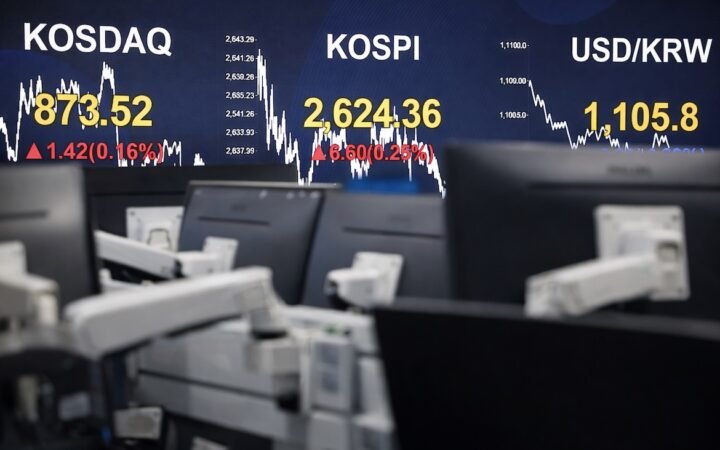
The investigation risks unsettling markets already sensitive to political interference in monetary policy. Investors have long viewed the Federal Reserve’s independence as a cornerstone of U.S. financial stability, anchoring inflation expectations and global confidence in the dollar.
Any perception that legal action could be used to pressure the Fed on rate decisions may increase volatility across bonds, currencies, and equities. Analysts note that even a small erosion of central bank credibility can have outsized effects on borrowing costs and investor sentiment.
The case also arrives as the Fed continues to balance stubborn inflation risks against signs of slowing economic growth, a backdrop that has intensified scrutiny of Powell’s leadership.
While no charges have been filed, the investigation adds a powerful political dimension to the Fed’s policy outlook in 2026. Markets are likely to remain highly reactive to developments that could reshape the relationship between monetary policy and government authority.