Key Notes
- October consumer prices rose 0.4% on the month, above the 0.3% forecast, while core prices increased 0.3% versus 0.2% expected.
- Headline inflation slowed from September, but core prices maintained their 0.3% monthly pace for a third consecutive month.
- BLS did not publish annual headline or core rates because the 2025 shutdown left October comparison data unavailable.
U.S. inflation ran hotter than expected in October, with consumer prices rising 0.4% over the month and the core measure advancing 0.3%, keeping pressure on the Federal Reserve after a stronger-than-expected jobs report.
Both readings exceeded the Dow Jones forecasts of 0.3% for headline inflation and 0.2% for core inflation, which excludes food and energy. The increases were seasonally adjusted.
Overall inflation nevertheless slowed from September’s 0.6% monthly increase. Core prices rose at the same 0.3% pace for a third consecutive month, rather than delivering the cooling economists had anticipated.
Food and Shelter Drive the Increase
Shelter costs rose 0.3% and accounted for more than 30% of the overall monthly increase. Food prices climbed 0.5%, including a 0.4% rise in groceries and a 0.5% increase in food purchased away from home.
Energy prices increased 0.7%, a much smaller gain than September’s 5.2%. That slowdown helped bring down headline inflation, even as households paid more for food and housing.
Used cars and trucks offered some relief, falling 1.2%. Medical care and motor vehicle insurance were among the categories that became more expensive.
Shutdown Disrupts Annual Comparisons
The release did not include year-over-year headline or core inflation rates. The 2025 federal government shutdown prevented BLS from collecting October survey data, leaving it without the comparison indexes needed to calculate those annual changes.
That makes the monthly sequence particularly important: October brought a smaller increase in the overall price index, but no further slowdown in the underlying measure.
Fed Faces Persistent Price Pressures
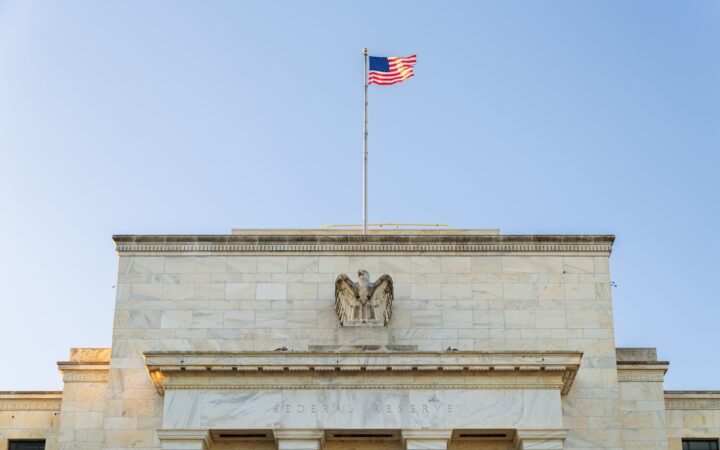
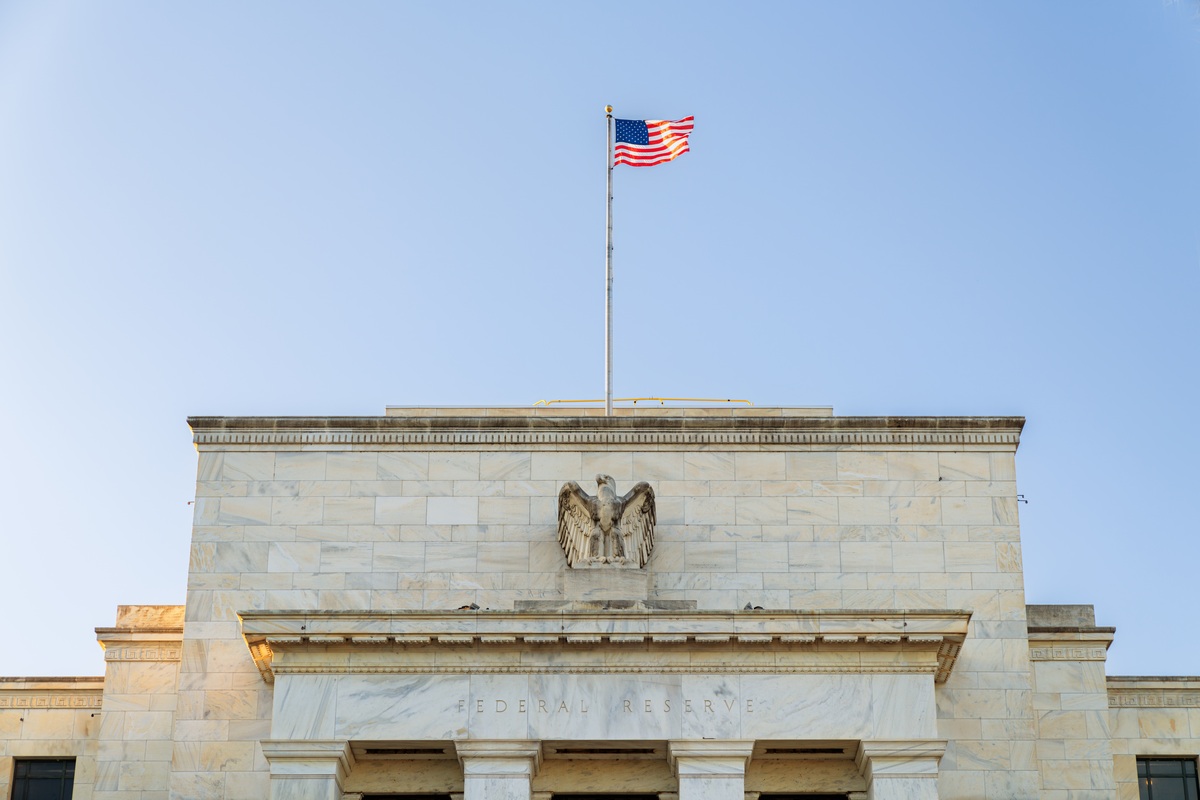
The Fed held rates at 3.75%-4% on October 28. Its statement described inflation as elevated, while Governor Lisa Cook and Cleveland Fed President Beth Hammack dissented in favor of a quarter-point increase.
Since that decision, the October jobs report has shown employers adding 165,000 positions and unemployment falling to 4.1%. Firmer hiring gives policymakers less reason to ease borrowing costs to protect employment.
Officials next meet on December 8-9. October’s price figures strengthen the argument for keeping policy restrictive, although a rate increase remains a decision for the committee. For households and businesses waiting for cheaper credit, the combination of resilient hiring and stubborn core inflation offers little encouragement.