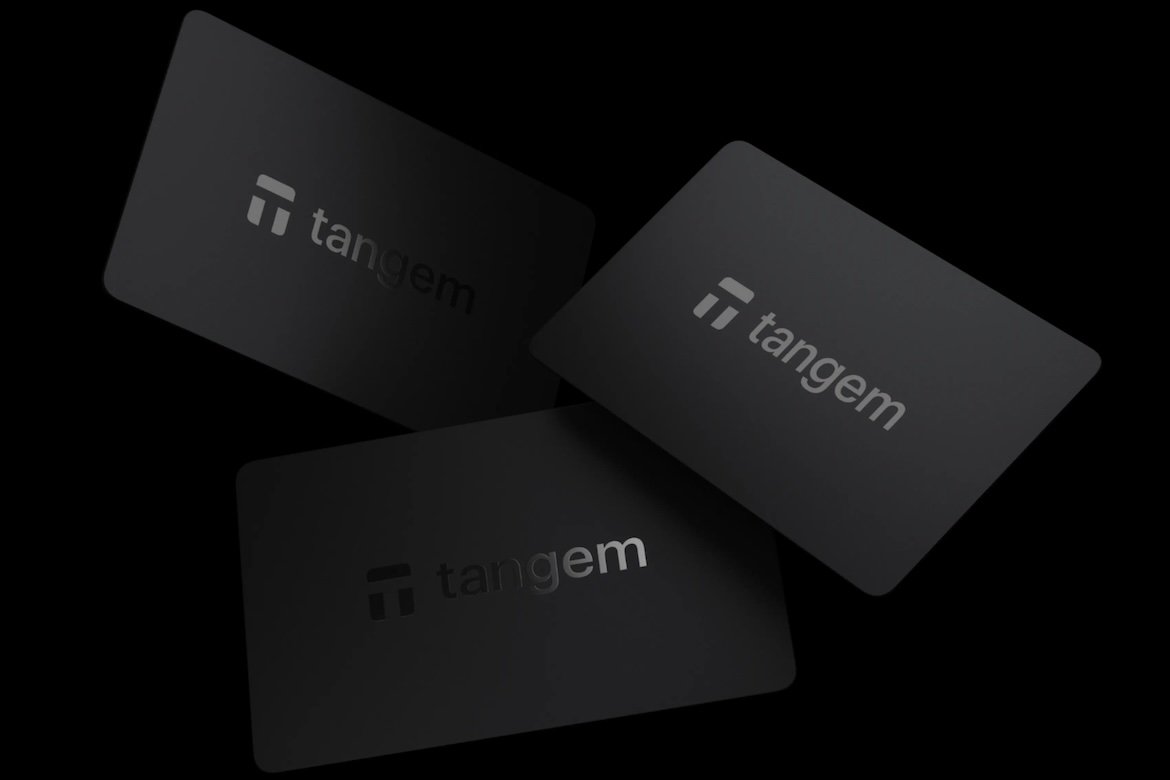

Tangem has launched Tangem Pay, a virtual Visa card designed to connect directly with its self-custody hardware wallet and enable spending of USDC stablecoin at any merchant that accepts Visa. The product is developed in collaboration with payment infrastructure provider Paera and supports Apple Pay and Google Pay. The service is set to roll out in the U.S., Latin America and key Asia-Pacific regions starting late November, with European availability planned for 2026.
Self-Custody Payments With KYC Filings
The introduction of Tangem Pay represents a hybrid approach: while users retain full control over their hardware wallet (meaning Tangem has no access to their keys or funds), accessing the Visa-linked card requires user identification. Tangem’s CEO emphasized that KYC applies only to the card-balance account and not the wallet itself, meaning user identity is not tied to self-custody holdings. The firm says service will initially support payments via the Polygon network in USDC and is available in 42 jurisdictions at launch.
By marrying peer-to-peer crypto ownership with regulated payment rails, Tangem aims to serve users who demand true self-custody yet also expect modern debit-card utility. This dual model addresses longstanding friction points in crypto from off-ramp usability to identity compliance while protecting user sovereignty over private keys.
Crypto Payments Evolve
For the payments and crypto sectors, Tangem Pay marks a meaningful evolution. The product tightens the link between hardware-wallet independence and mainstream spendability, potentially driving higher crypto adoption among users seeking both autonomy and convenience. Successful execution could position Tangem as a leader in bridging the gap between wallets and everyday payments.
However, challenges loom. User adoption will depend on card-network acceptance, stablecoin support across networks, and navigating regulatory requirements in each jurisdiction. It remains unclear how the product will handle fiat conversions, network fees, and U.S. regulatory compliance around stablecoins. Key indicators to monitor: issuance numbers, regional roll-out pace, stablecoin volumes processed, and user retention. As previously covered, the world of crypto payments is shifting from speculative trading to real-world utility and Tangem’s launch may accelerate that shift.