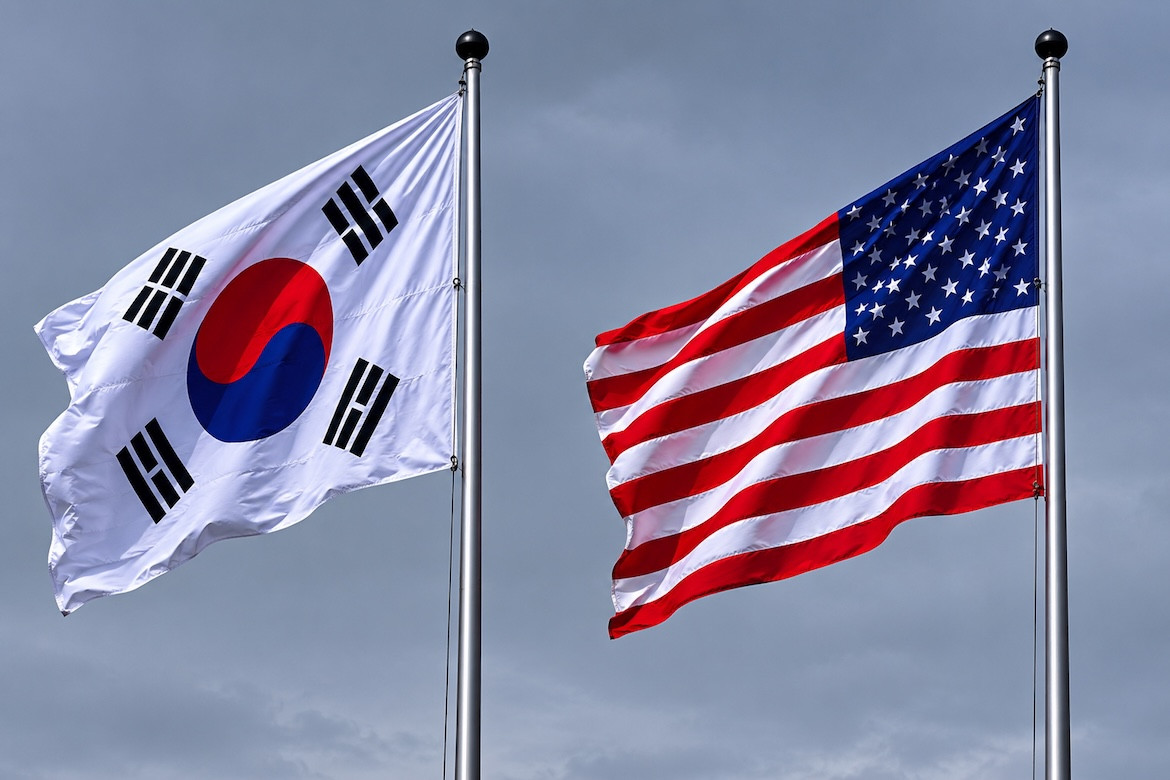
South Korea officially became the second country after the United States to have more than one publicly traded company valued above $1 trillion.
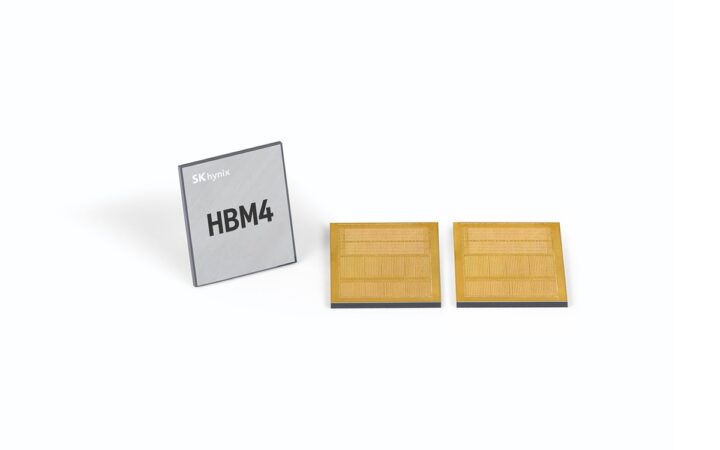
Samsung Electronics now carries a market capitalization of roughly $1.3 trillion, while SK Hynix recently surpassed the $1 trillion threshold following its massive AI-driven rally.
The milestone highlights South Korea’s rapidly growing importance in the global semiconductor and artificial intelligence supply chain.
AI Boom Reshapes Global Corporate Rankings
There are now 14 publicly traded companies worldwide valued above $1 trillion, with U.S. firms still dominating the list.
Nvidia remains the world’s most valuable public company at approximately $5.2 trillion, followed by Alphabet at $4.7 trillion and Apple at $4.5 trillion.
Other trillion-dollar firms include Microsoft, Amazon, Taiwan Semiconductor Manufacturing Company, Broadcom, Saudi Aramco, Tesla, Meta Platforms, Berkshire Hathaway, and Micron Technology.
Ten of the 14 trillion-dollar companies are based in the United States, while South Korea now accounts for two.
Semiconductors Dominate Global Wealth Creation
Analysts say the growing concentration of trillion-dollar companies around semiconductors and AI infrastructure reflects the enormous capital flowing into advanced computing technologies.
Samsung and SK Hynix have become major beneficiaries of surging demand for memory chips used in AI accelerators, cloud computing systems, and large-scale data centers.
The rise of South Korean semiconductor giants also highlights how AI is reshaping global economic power around countries controlling critical technology infrastructure.
Investor demand for AI-related equities has dramatically accelerated over the past two years as governments and corporations aggressively expand computing capacity.
At the same time, analysts warn that market concentration among a relatively small group of technology companies continues increasing systemic risks inside global equity markets.
The broader takeaway is that artificial intelligence is rapidly concentrating global corporate value around semiconductor manufacturers and infrastructure providers, fundamentally reshaping the hierarchy of the world economy.