
Singapore is intensifying its push to revitalize its equity market through a groundbreaking partnership with Nasdaq that will allow companies to dual-list in both the United States and Singapore using a single regulatory framework. The initiative, called the Global Listing Board, targets firms with market capitalizations above SG$2 billion (about $1.5 billion), offering simplified access to capital across two major financial hubs.
The new framework is designed to harmonize listing requirements, streamline disclosure obligations, and enable companies to use one consolidated set of documents for approval on both exchanges. The system is expected to be fully implemented by mid-2026.
Leaders from both exchanges described the partnership as a major step in expanding cross-border liquidity. Nasdaq CEO Adena Friedman said the bridge is “the first of its kind,” offering firms global exposure through a unified regulatory experience. SGX CEO Loh Boon Chye noted that dual listings across time zones will improve near 24-hour price discovery, helping investors manage risk more effectively.
Nasdaq and @SGXGroup announced a partnership to simplify dual listings in the U.S. and Singapore creating a harmonized framework that bridges the two markets. Learn more about the new Global Listing Board: https://t.co/nCHHz9dbPp pic.twitter.com/M2tvfn6VjV
— Nasdaq (@Nasdaq) November 20, 2025
Broader Reforms to Strengthen Singapore’s Market
The partnership comes as the Monetary Authority of Singapore (MAS) rolls out a series of measures to enhance the attractiveness of the local stock market.
These steps include a SG$30 million “Value Unlock” program designed to help companies strengthen strategic planning, optimize capital structures, and improve investor relations. MAS also announced it would allocate an additional SG$2.85 billion to six Singapore-based asset managers – building on a SG$1.1 billion injection earlier this year -to deepen the country’s fund management ecosystem and encourage participation in local equities.
Market activity has already started to pick up. MAS reported that average daily turnover in the third quarter of 2025 rose 16% year over year to SG$1.53 billion, the highest level since early 2021. Small- and mid-cap stocks have seen particularly strong momentum, and IPOs have raised more than SG$2 billion so far this year.
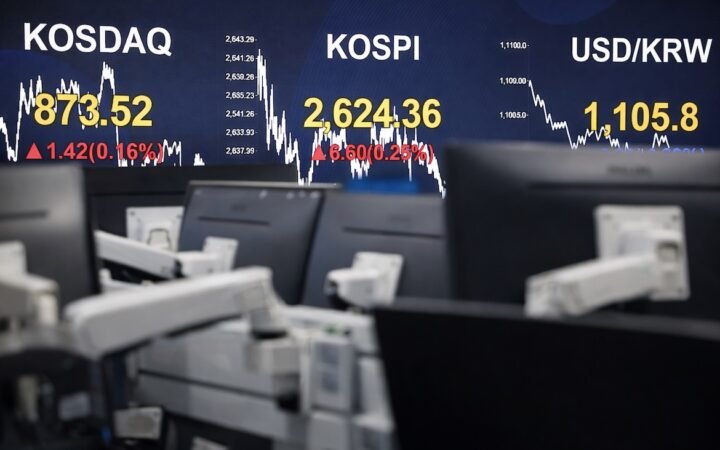
Analysts say the reforms are well-timed but caution that challenges remain. CGS International noted that Singapore’s liquidity still lags behind larger markets like the Nasdaq, which could limit the near-term impact of dual listings. Goldman Sachs added that the success of the “Value Unlock” initiative will depend on clear guidelines and sustained corporate action – pointing to Japan and South Korea, where tax incentives and stricter governance reforms led to significant market re-ratings.
Implications for Global Companies and Investors
If successful, the Singapore–Nasdaq bridge could reshape cross-border listings for Asia-based firms seeking global investor reach without navigating fragmented regulatory systems. The new framework may also attract multinational companies with operations in both regions, offering flexibility to raise capital in U.S. dollars or Singapore dollars.
For investors, the ability to trade the same company across two exchanges increases access, liquidity, and the potential for nearly continuous price discovery.
The initiative underscores Singapore’s broader ambitions: to position itself as a top-tier equities hub at a time when global capital is searching for markets with stability, regulatory clarity, and diversified funding channels.