
The global silver market is experiencing a powerful rally, with prices climbing to record levels and dramatically outperforming other major assets. Over the past year, silver prices have surged from around $29 to a peak of $108 per ounce, marking one of the strongest rallies in the metal’s modern trading history.
Price pressures have been even more pronounced in Asia. In Shanghai, silver has been trading at approximately $124 per ounce – about $16 higher than U.S. prices – creating one of the largest regional price gaps ever recorded for the metal. Analysts say the divergence reflects a combination of strong local demand, supply constraints, and capital controls that limit arbitrage opportunities.
The surge has positioned silver as one of the best-performing assets globally, far outpacing cryptocurrencies and many traditional risk assets.
Why silver prices are exploding higher
Market participants point to a confluence of structural and cyclical factors driving silver’s explosive move. Industrial demand has risen sharply, fueled by expanding use in solar panels, electric vehicles, and electronics, while mine supply has struggled to keep pace.
At the same time, investors have increasingly turned to silver as both an inflation hedge and a strategic alternative to gold. As previously covered, precious metals have benefited from heightened macroeconomic uncertainty, currency volatility, and concerns over long-term purchasing power.
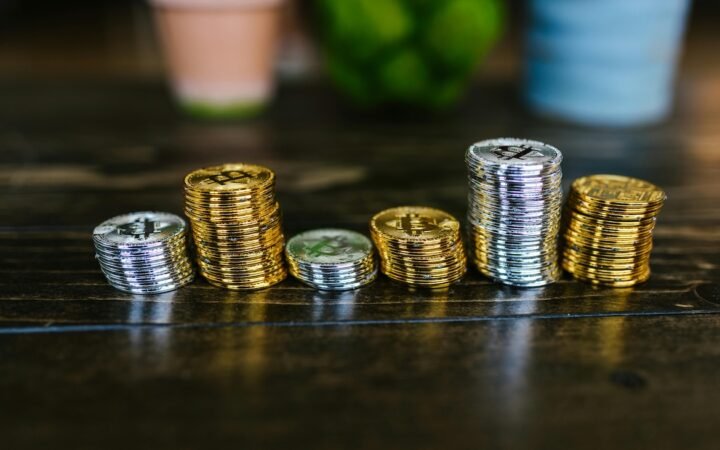
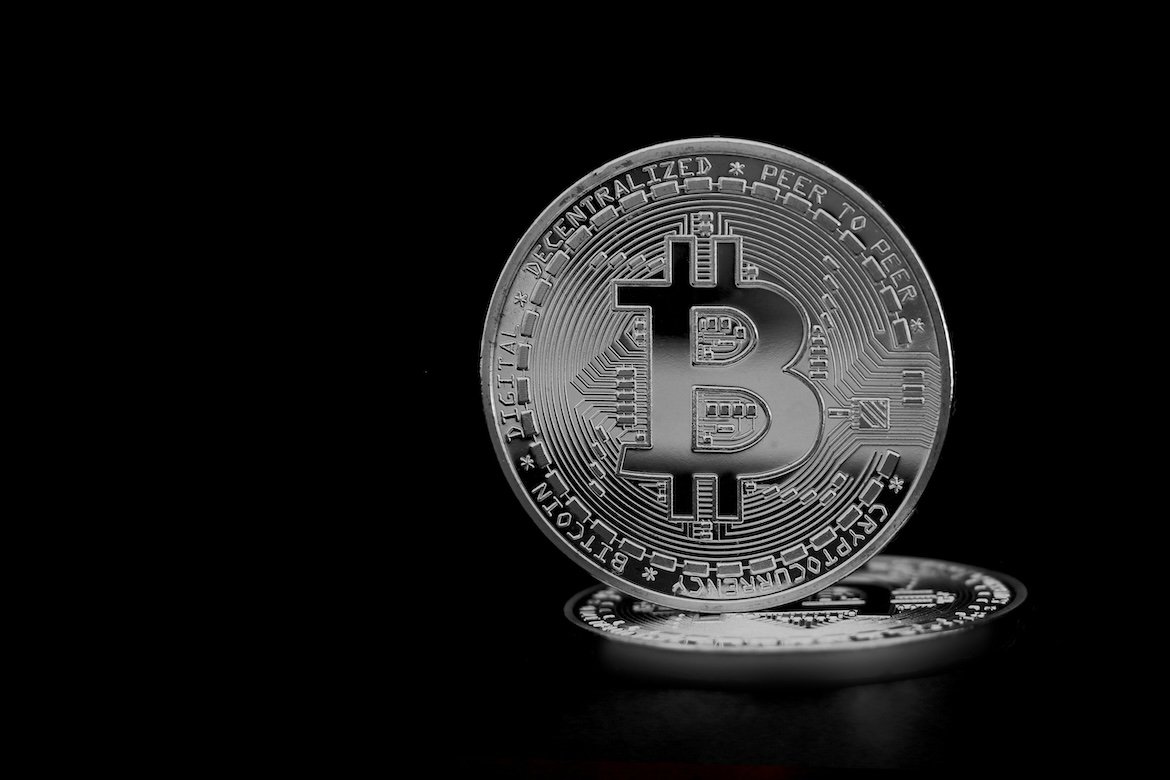
The scale of silver’s rally is underscored by its performance relative to Bitcoin. Over the past roughly 13 months, silver prices have jumped about 270%, while bitcoin has declined by around 11%. This reversal has challenged the narrative that digital assets consistently outperform hard commodities during periods of market stress.
Regional dynamics have also amplified the move. Persistent premiums in Shanghai suggest strong physical demand and tighter availability in Asia, while U.S. markets have been more influenced by futures positioning and institutional flows.
What the rally means for markets and investors
Silver’s surge has pushed its total market capitalization to roughly 3.5 times that of bitcoin, marking one of the widest divergences in valuation between the two assets on record. For investors, the shift highlights a renewed preference for tangible assets with industrial utility alongside monetary characteristics.
The extreme price gap between China and the United States raises questions about sustainability. While such divergences can eventually narrow, analysts caution that continued supply tightness or policy-driven barriers could keep regional prices disconnected for longer than usual.
From a broader market perspective, silver’s performance signals growing skepticism toward speculative assets and renewed confidence in commodities tied to real economic activity. However, the speed of the rally also introduces volatility risks, particularly if demand cools or if supply responds faster than expected.
Looking ahead, traders will closely watch industrial consumption trends, mining output, and macroeconomic signals. Whether silver can sustain prices above $100 per ounce remains uncertain, but its recent run has firmly re-established the metal as a dominant force in global markets.