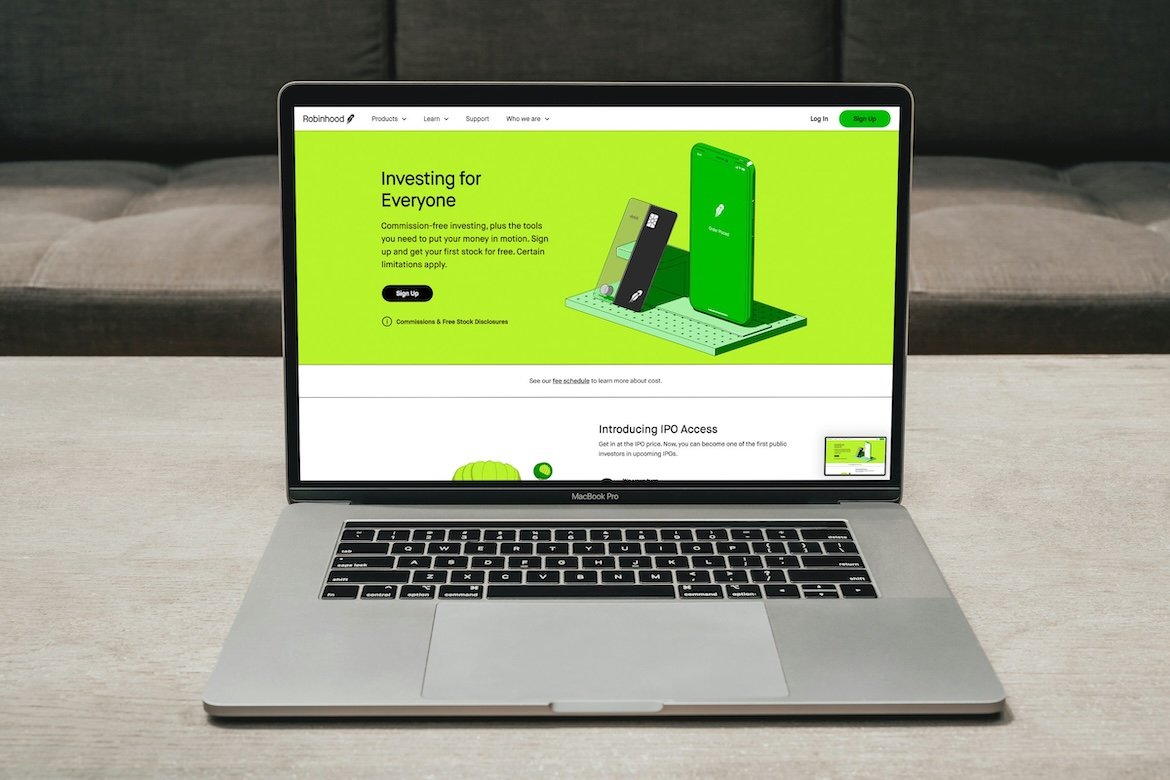

Robinhood has rolled out a broad tokenization initiative on the Arbitrum blockchain, deploying 493 U.S. stocks and exchange-traded funds (ETFs) for European-Union users. The total value of tokenized assets now exceeds $8.5 million, according to on-chain analytics.
The program covers nearly 70% stocks and about 24% ETFs, with smaller allocations in commodities, crypto-based ETFs and U.S. Treasurys.
How It Works and Why It Matters
Robinhood’s tokenized assets are structured as blockchain-based derivatives synced to the prices of underlying U.S. equities, but they don’t represent direct share ownership. They are offered on a 24-hour, 7-day-a-week basis for qualified EU users, and allow entry starting around €1.
The firm made these tokens available via a dedicated layer-2 chain built on Arbitrum, facilitating faster settlement and fractional exposure to traditionally high-priced securities.
This move signals a pivotal shift: retail users in Europe now gain broader access to U.S. stocks and ETFs in tokenized form, opening a new frontier for trading outside conventional market hours.
Implications, Risks & What to Watch
The expansion could challenge traditional brokerage models by lowering access thresholds and increasing market participation among smaller investors. For Robinhood, it strengthens its position in the evolving real-world asset (RWA) ecosystem.
Nevertheless, the design raises regulatory and investor-protection issues. Because token holders don’t receive dividends or have share-ownership rights, these instruments may not map directly to the underlying equities. Legal classification and oversight vary across jurisdictions.
Regulators are already scrutinizing the initiative. For example, the Bank of Lithuania, which supervises Robinhood’s EU operations, has requested details on the structure and compliance of the tokens.
Going forward, key signals include broader roll-out to other regions (including U.S. access), regulatory guidance on tokenized securities, and how secondary-market liquidity develops for these assets. As previously covered, tokenization is emerging from niche use-cases into mainstream finance and Robinhood’s initiative could accelerate that trend.