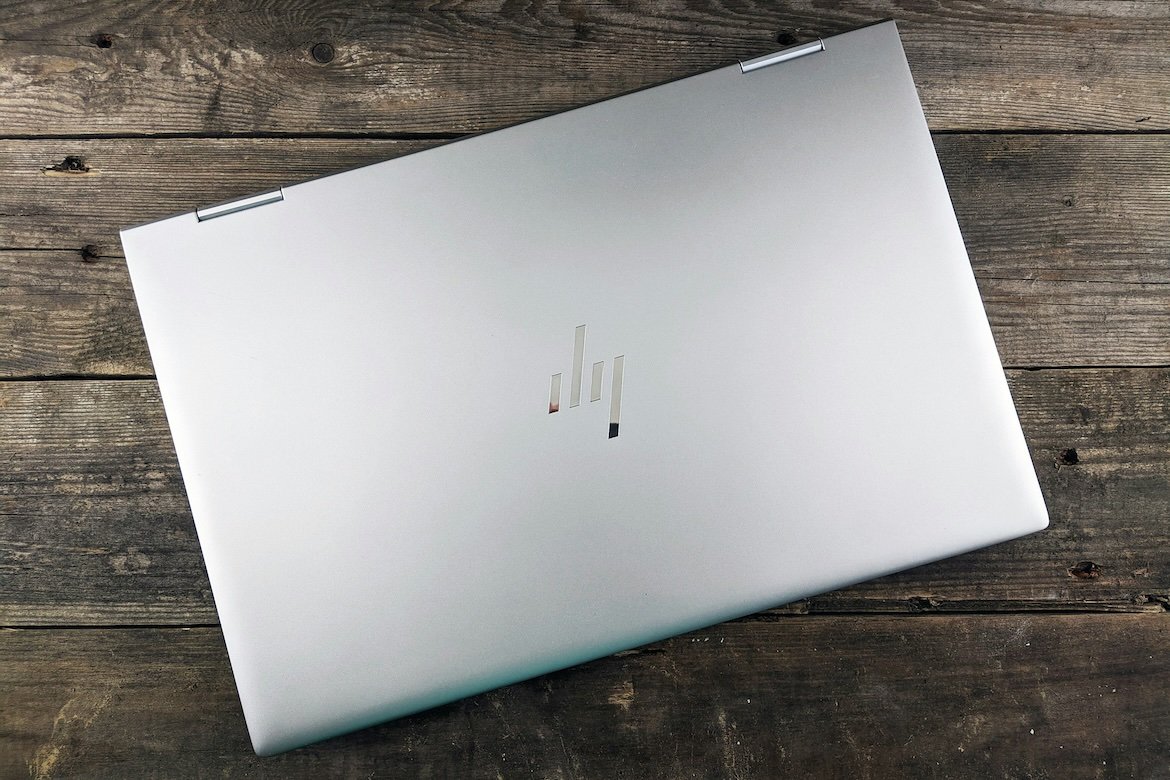

Manufacturers are officially beginning to scale back memory configurations in consumer devices, signaling a new phase of pressure in the global hardware supply chain. HP has become the first major PC maker to implement such changes, halving the amount of RAM in its new OmniBook 5 laptops compared with previous models.
The base version of the HP OmniBook 5 now ships with 8 gigabytes of RAM instead of 16 gigabytes, alongside a reduced processor configuration that drops from six to eight cores down to four. Despite the lower specifications, prices are not expected to decline and may even rise, according to industry analysts.
Manufacturers Are Cutting Specs
The move reflects growing shortages of key components, particularly memory, as suppliers prioritize higher-margin segments such as data centers and artificial intelligence infrastructure. Rising costs for RAM and storage have put pressure on consumer electronics margins, pushing manufacturers to reduce specifications rather than absorb higher input prices.
As previously covered, chipmakers and memory suppliers have increasingly redirected production capacity toward enterprise and AI workloads, where demand and pricing power remain stronger. This shift has left consumer device makers with tighter supply and less negotiating leverage.
For HP, trimming entry-level configurations allows the company to preserve margins while keeping headline prices competitive, even if performance takes a hit. Analysts note that similar adjustments are likely to follow across the industry as inventories tighten.
Consumers and the Market
The trend is expected to hit budget segments the hardest, with entry-level laptops, tablets, and smartphones facing reduced performance just as software becomes more resource-intensive. Experts warn that lower memory ceilings could shorten device lifespans and worsen the user experience, particularly for multitasking and AI-enabled applications.
At the same time, consumers may face higher prices despite downgraded specifications, effectively paying more for less hardware. This dynamic risks slowing upgrade cycles and could widen the performance gap between premium and budget devices.
Looking ahead, market watchers expect other manufacturers to adopt similar cost-saving measures if memory shortages persist into 2026. Unless supply conditions improve, reduced hardware specs may become the new norm across large parts of the consumer electronics market.