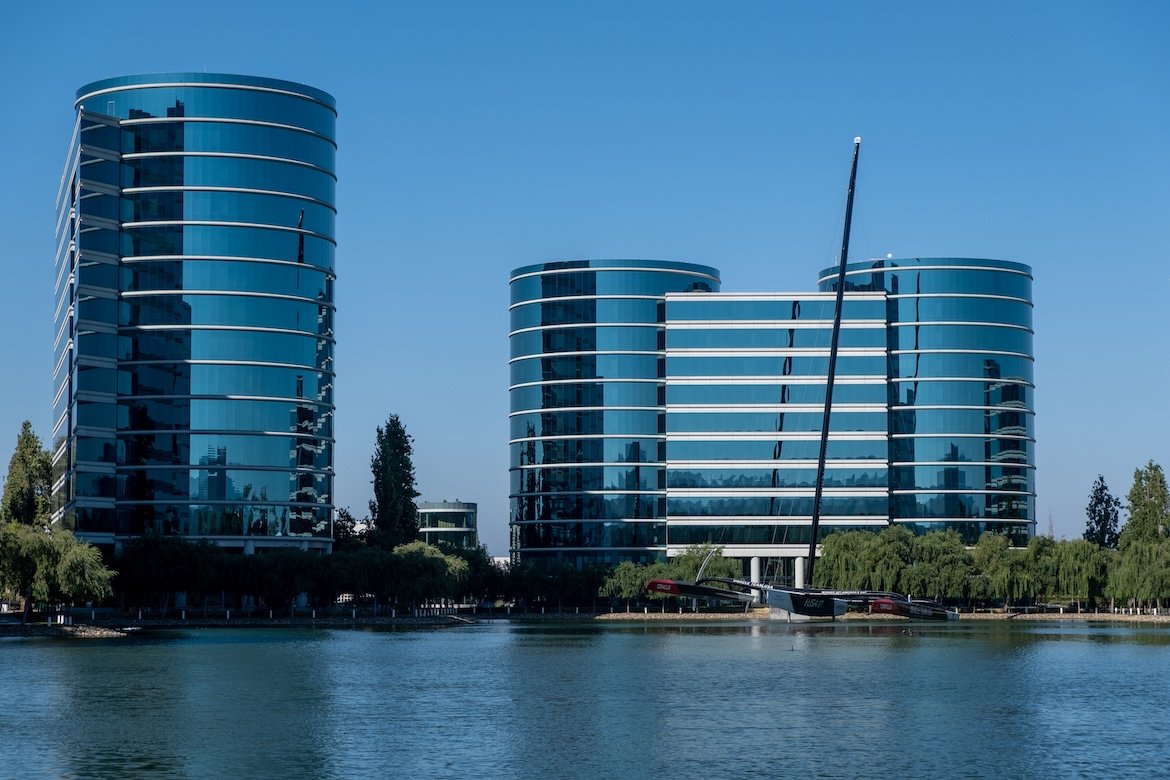
Oracle shares jumped 7% after the company confirmed it has joined an investor group preparing to operate TikTok’s U.S. business, a move that immediately lifted investor sentiment and highlighted Oracle’s growing role at the intersection of cloud infrastructure and geopolitics.
The rally reflects market confidence that the deal could strengthen Oracle’s cloud services business while deepening its ties with one of the world’s most influential social media platforms. The announcement also comes amid renewed political pressure in Washington over TikTok’s ownership and data security concerns tied to China.
Oracle Is Involved in the TikTok U.S. Deal
Oracle’s participation builds on an existing relationship with TikTok, as the company already provides cloud infrastructure services for the platform’s U.S. user data. By joining the investor consortium, Oracle positions itself not only as a technology supplier but also as a strategic stakeholder in TikTok’s American operations.
The move aligns with broader efforts to address U.S. regulatory demands that TikTok’s domestic business operate independently from its Chinese parent, ByteDance. Political momentum has intensified under former President Donald Trump’s renewed calls to limit Chinese influence over critical digital platforms used by millions of Americans.
For Oracle, the deal offers more than political alignment. As previously covered, the company has been aggressively expanding its cloud business to compete with hyperscalers, and TikTok represents a high-volume, data-intensive client. Greater involvement could translate into longer-term infrastructure contracts and higher recurring revenue.
Market Impact
Investors responded quickly, pushing Oracle shares up 7% in a single session as expectations grew that the partnership could accelerate cloud revenue growth and enhance Oracle’s competitive positioning. The move also helped offset recent concerns about enterprise IT spending and cloud pricing pressure.
Still, risks remain. The structure of TikTok’s U.S. operations, regulatory approvals, and potential political shifts could all affect the deal’s long-term viability. Analysts also note that managing such a high-profile asset could expose Oracle to increased regulatory scrutiny and reputational risk.
Looking ahead, markets will watch for clarity on governance, data control, and the financial terms of the arrangement. Any confirmation of expanded cloud workloads or guaranteed long-term contracts could further support Oracle’s valuation, while setbacks in negotiations may reverse some of the recent gains.