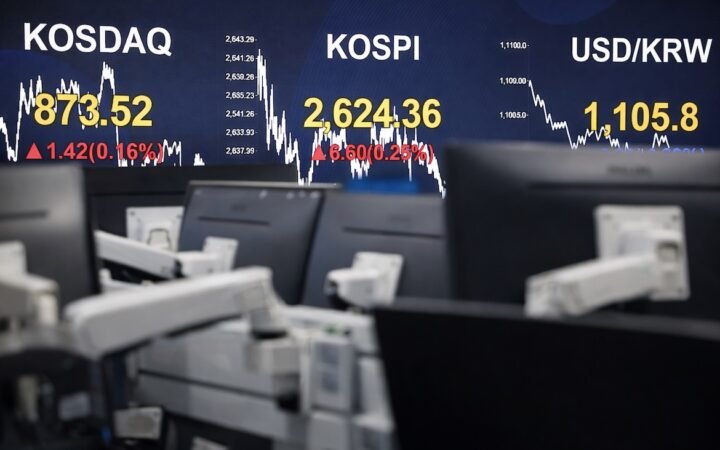

Japanese equities posted their strongest single-day gain in months, with the Nikkei 225 jumping more than 3% as speculation grew that the country’s ruling party could move toward a snap general election.
The rally reflected investor optimism that an early vote would reinforce political stability and preserve Japan’s current economic policy framework, including accommodative fiscal measures and coordination with the central bank. Market participants viewed the prospect of a decisive mandate as a potential catalyst for renewed confidence in corporate earnings and capital investment.
The Nikkei’s advance was broad-based, with gains across exporters, financials, and industrial stocks. A weaker yen further supported the move, improving the outlook for overseas revenues among Japan’s large multinational companies.
Political Signals Drive Market Optimism
Speculation around a snap election intensified after local media and political analysts pointed to rising approval ratings for the ruling coalition and a strategic window to consolidate power. Investors interpreted the signals as increasing the likelihood of policy continuity rather than disruption.
Japan’s equity market has historically responded positively to periods of political clarity, particularly when investors expect stable leadership and predictable economic management. A snap election, if called, could reduce uncertainty around fiscal spending plans, tax policy, and structural reforms aimed at supporting growth.
As previously covered, Japanese stocks have benefited from a combination of shareholder-friendly reforms, improved corporate governance, and stronger returns on equity. Political stability is seen as reinforcing these trends rather than derailing them.
Broader Market and Regional Impact
The surge in Japanese equities helped lift sentiment across Asia-Pacific markets, even as global investors remain cautious amid geopolitical tensions and uncertainty over the future path of U.S. monetary policy. Japan stood out as a relative bright spot, with domestic factors outweighing external risks.
Export-oriented sectors were among the top performers, reflecting both the weaker yen and expectations that government support for industry and innovation would remain intact. Financial stocks also advanced on hopes that improved economic momentum could support lending activity and profitability.
From a market perspective, the Nikkei’s sharp move underscores how political developments can act as short-term catalysts for equity rallies, particularly in markets where policy direction plays a central role in shaping investor expectations.
Looking ahead, analysts caution that gains could become more volatile as election timelines and campaign messaging come into focus. However, many see the rally as a sign that global investors continue to view Japan as a relatively attractive destination within developed markets, especially compared with regions facing sharper political or economic headwinds.