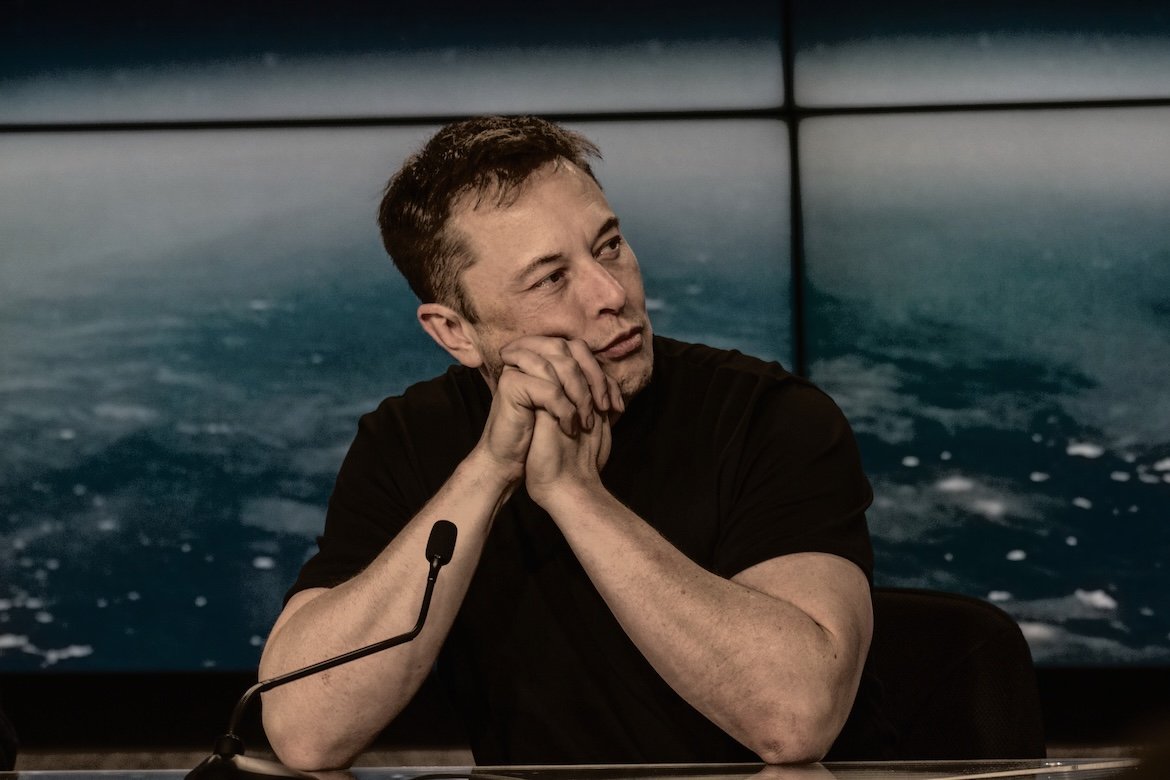
Elon Musk has escalated his legal battle against OpenAI and Microsoft, seeking between $79 billion and $134 billion in damages over what he alleges was a betrayal of OpenAI’s original nonprofit mission. The case centers on OpenAI’s evolution from a research-focused nonprofit into a commercially driven artificial intelligence powerhouse closely aligned with Microsoft.
Musk, a co-founder and early financial backer of OpenAI, argues that the organization’s current structure and strategic direction violate the principles under which he originally invested. According to court filings, Musk contends that OpenAI’s partnership with Microsoft – which has helped propel the company to an estimated valuation of around $500 billion – deprived him of both financial and governance rights tied to its original mission.
A judge has rejected efforts by OpenAI and Microsoft to dismiss the case at an early stage, allowing the lawsuit to proceed to a jury trial scheduled for April 2026.
Musk Is Challenging OpenAI’s Transformation
OpenAI was launched with the stated goal of developing artificial intelligence that benefits humanity, operating without the pressures of profit maximization. Musk maintains that this mission was fundamental to his involvement and financial support.
The lawsuit argues that OpenAI’s shift toward a capped-profit structure and its exclusive commercial alignment with Microsoft effectively converted the organization into a de facto for-profit entity. Musk claims this transformation occurred without proper disclosure and undermined the nonprofit safeguards that were meant to govern OpenAI’s development of advanced AI systems.
OpenAI disputes these claims, stating that its current structure is necessary to fund large-scale AI research and infrastructure. Microsoft, which has invested tens of billions of dollars into OpenAI, has also denied wrongdoing and is preparing to defend itself in court.
Legal experts say the case could test how nonprofit commitments are interpreted when technology companies scale into global commercial platforms.
What the Case Means for AI Governance and Big Tech
The lawsuit arrives at a sensitive moment for the artificial intelligence industry, which is facing increased scrutiny from regulators, investors, and governments worldwide. As previously covered, policymakers are debating how to balance innovation with oversight as AI systems become more powerful and economically significant.
If Musk prevails, the case could reshape how AI ventures structure partnerships, disclose governance changes, and manage relationships with early backers. It could also force a reassessment of how nonprofit missions are protected once large commercial interests become involved.
For Microsoft, the case adds legal risk to one of its most strategically important bets. For OpenAI, it threatens to expose internal decision-making and governance practices at a time when the company is central to global AI development.
Regardless of the outcome, the trial is expected to become a defining moment in the evolving relationship between nonprofit ideals and commercial realities in the AI sector.