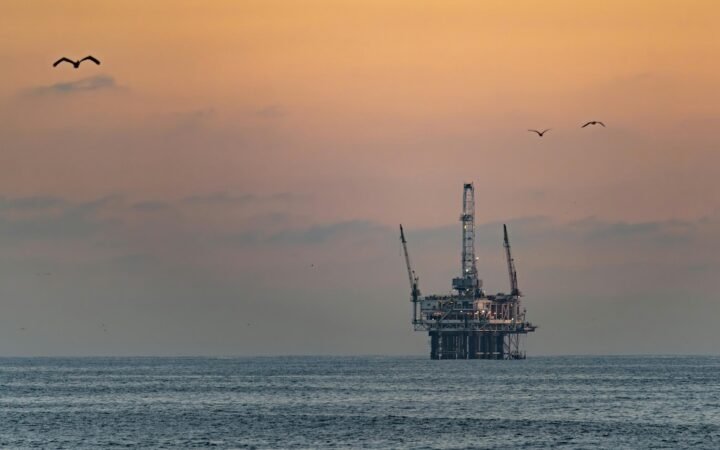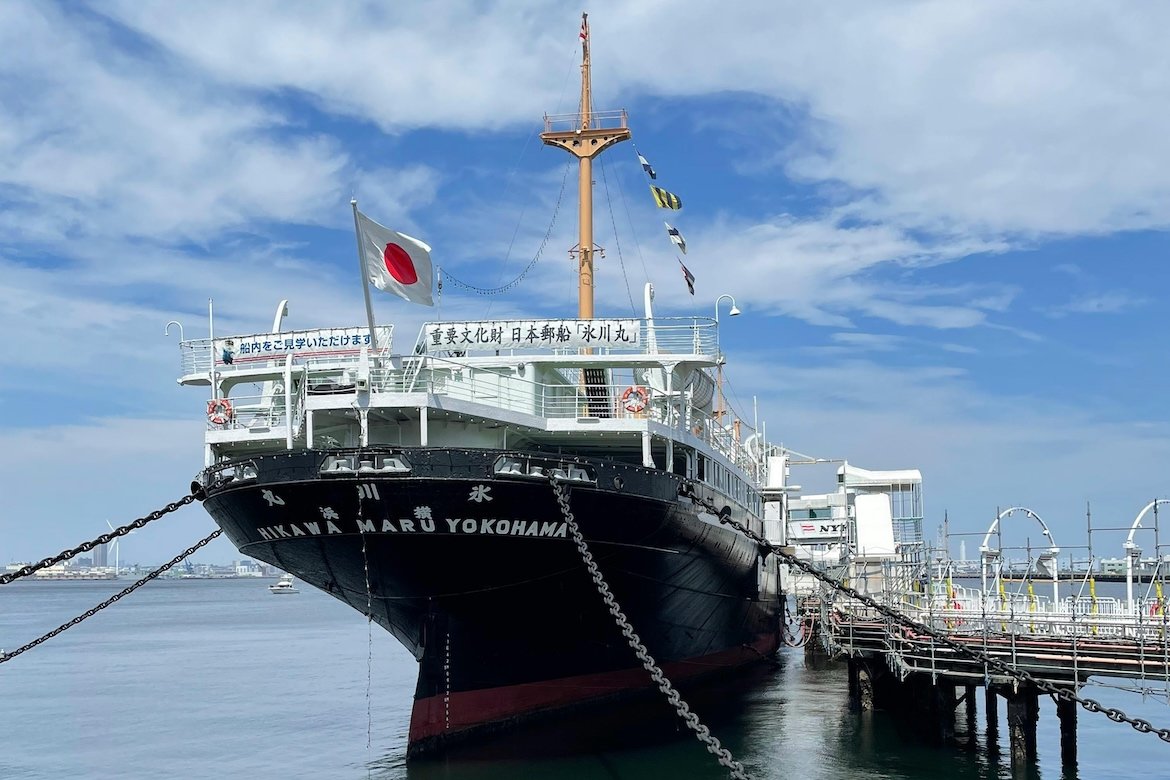

Japan has taken a historic step in global resource extraction by launching the world’s first deep-sea mining operation targeting rare earth elements. A Japanese research vessel began operations in the Pacific Ocean near the remote island of Minamitori-shima, aiming to recover mineral-rich seabed sediment from depths of up to 6,000 meters.
The initiative represents a technological milestone and a strategic shift for Japan as it seeks to secure long-term access to materials essential for modern industries, including electronics, electric vehicles, renewable energy systems, and advanced defense technologies.
Japan Is Turning to the Ocean Floor
The project is led by the Japan Agency for Marine-Earth Science and Technology and comes amid growing global concern over the concentration of rare earth supply chains. China currently dominates the production and processing of rare earth elements, giving it significant leverage over countries dependent on these materials.
Japan has faced supply disruptions in the past and has spent more than a decade exploring alternative sources. Surveys conducted in Japan’s exclusive economic zone have identified vast deposits of rare earth-rich mud on the seabed, containing elements such as neodymium and dysprosium that are critical for high-performance magnets and batteries.
By moving from research to actual extraction, Japan is testing whether deep-sea mining can be commercially viable. The operation involves lifting seabed sediment to the surface for analysis, with the goal of refining techniques that could eventually support large-scale production.
Officials have emphasized that the current mission is experimental, designed to evaluate environmental impact, extraction efficiency, and technical feasibility before any long-term commercial plans are considered.
Implications for Markets and Global Supply Chains
If successful, Japan’s deep-sea mining effort could reshape the global rare earth market. Diversifying supply sources would reduce geopolitical risk for manufacturers and potentially ease price volatility in a sector critical to clean energy and high-tech growth.
Investors are watching closely, as rare earth security has become a strategic priority for governments worldwide. A breakthrough could spur similar initiatives in other resource-rich maritime zones, intensifying debate over environmental safeguards and international regulations governing seabed exploitation.
Environmental concerns remain a key challenge. Deep-sea ecosystems are poorly understood, and critics warn that large-scale mining could cause irreversible damage. Japan has pledged to conduct the project under strict monitoring standards, though global consensus on deep-sea mining governance is still evolving.
For Japan, the move signals a long-term commitment to resource independence and technological leadership. As demand for rare earth elements accelerates alongside electrification and digitalization, the success or failure of this project may influence how nations secure critical materials in the decades ahead.