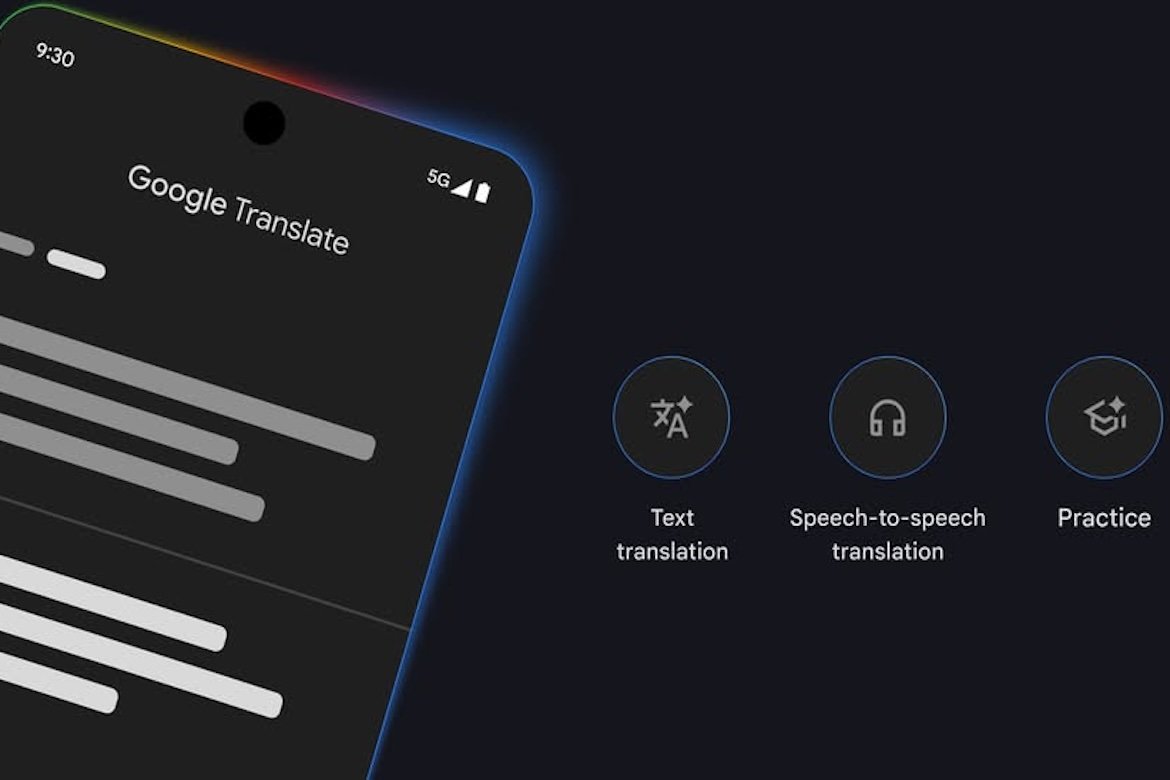

Google is taking a major step toward frictionless global communication by introducing real-time speech translation that works with any wireless headphones. The new feature, powered by the company’s Gemini artificial intelligence model, is currently being tested on Android devices in the United States, India, and Mexico, with support for more than 70 languages.
Plus, we’re rolling out a beta version of live translation that brings real-time, natural-sounding translations to your headphones with the help of Gemini’s native speech-to-speech translation capabilities. 🎧 See everything that’s new in Google Translate ↓…
— Google (@Google) December 12, 2025
The update allows users to hear live translations directly through Bluetooth headphones during conversations, removing the need to constantly look at a phone screen. Google says the goal is to make multilingual communication feel more natural and continuous, especially in everyday scenarios such as travel, work meetings, and casual interactions.
Google Is Expanding Real-Time Translation
The move highlights Google’s strategy to differentiate itself through platform-agnostic AI tools rather than hardware exclusivity. Unlike Apple’s approach, where similar real-time translation features are limited to a small number of AirPods models, Google’s solution works across virtually all wireless headphones.
By leveraging Gemini, Google has improved speech recognition accuracy, context awareness, and response speed, making translations feel closer to real conversations rather than delayed interpretations. The system processes spoken input, translates it in real time, and delivers the output audio with minimal lag.
This broader compatibility could give Google a significant advantage in global markets, particularly in regions where users rely on a wide variety of affordable wireless audio devices. It also reinforces Google Translate’s position as one of the most widely used language tools worldwide.
What It Means for Users and the AI Race
For consumers, the feature lowers barriers to cross-language communication without requiring new hardware purchases. Google has confirmed that a wider global rollout is planned, along with an iOS version expected in 2026, which would extend the feature beyond the Android ecosystem.
From a competitive standpoint, the update underscores how AI is reshaping consumer software. Real-time translation is no longer a niche capability but a core feature in the race to build everyday AI assistants. As previously covered, Google has been rapidly integrating Gemini across its products, from search to productivity tools, positioning AI as a foundational layer rather than an add-on.
If widely adopted, real-time translation through common headphones could change how people interact across borders, reducing language barriers in both professional and personal settings. It also raises the bar for rivals, who may face pressure to offer similarly open and scalable solutions.