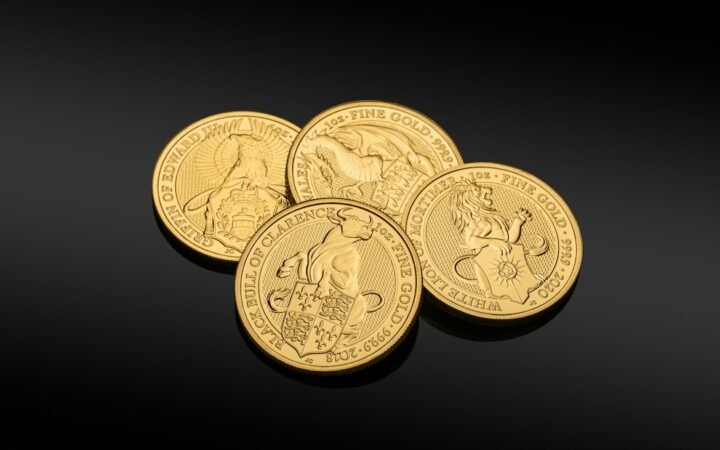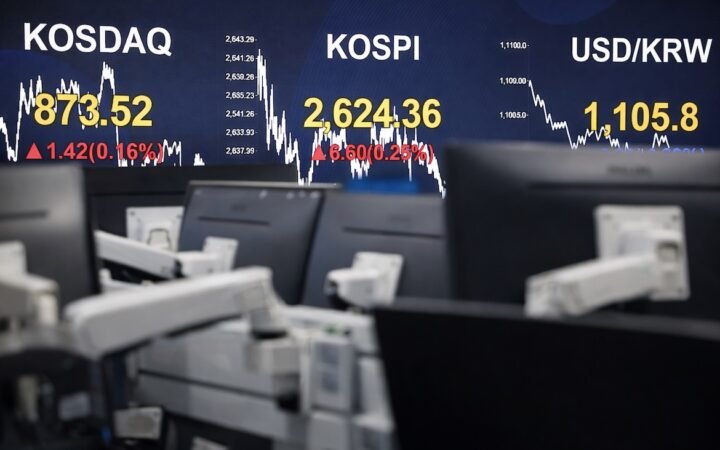

Gold prices fell this week after the U.S. posted a surprise jobs gain that bolstered expectations of a delayed interest-rate cut. Spot gold dropped about 0.9% to $4,039.86 per ounce, putting it on track for a weekly decline of roughly 1%. U.S. gold futures for December delivery slid around 0.6% to $4,035.60. The U.S. dollar strengthened, making gold more expensive for non-dollar buyers.
The U.S. Labor Department reported non-farm payrolls increased by 119,000 in September – more than double the 50,000 consensus forecast – reinforcing the view that the Fed may hold off on further easing. Traders now assign just around a 39% chance of a rate cut next month, down from significantly higher levels earlier this year.
Rates, Dollar Strength and Bullion Pressure
Gold, a non-yielding asset often used as a hedge against low-rate environments, faces headwinds when yield-bearing assets become more attractive. The stronger dollar and firm employment data suggest the Fed could delay easing, making safe-haven gold less compelling.
Fed officials, including Chicago Fed President Austan Goolsbee, have expressed unease about front-running rate cuts amid stubborn inflation, adding to the caution among investors. Meanwhile, weak physical demand in major Asian markets further weighed on bullion’s appeal.
What Investors Should Watch
Now eyes turn to upcoming inflation data, further labor-market readings and Fed commentary. A delayed or absent rate cut in December could keep pressure on gold, while any sign of renewed dovishness would offer bullion a catalyst for revival.
Market watchers should also monitor positioning in gold-backed ETFs and central-bank buying flows: sustained support here could cushion downside even as macro odds shift. For now, gold appears stuck in a consolidation phase until stronger signals from policy or demand emerge.