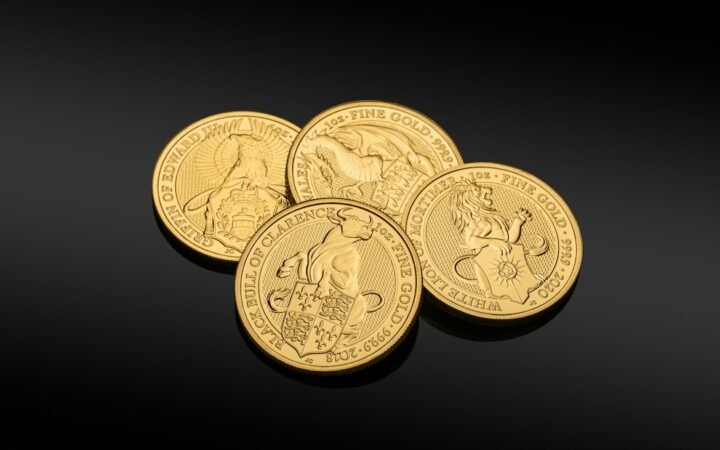

Gold’s stellar performance this year briefly topping $4,380 an ounce – continues to be fuelled by global uncertainty and central-bank accumulation. Yet in a surprising twist, a senior official at the Filipino central bank has suggested the country’s own bullion holdings may now be excessive. That candid comment comes amid record prices and adds a layer of complexity to the gold narrative.
The Bangko Sentral ng Pilipinas holds gold equivalent to roughly 13% of its $109 billion in reserves above levels typical for regional peers. Former governor and current Monetary Board member Benjamin Diokno noted this ratio could ideally sit around 8–12%, and questioned the timing of a potential sell-down: “What will happen if the price goes down?”
Central Bank Demand and Shifting Sentiment
Gold’s rally has been underpinned by several factors: strong central-bank purchases, safe-haven demand amid global risks and a weak U.S. dollar. Emerging-market banks in particular have shifted toward gold to diversify away from dollar-denominated assets.
That backdrop had seemed unassailable until recent commentary from parts of the Asian central-bank community. The suggestion that gold holdings may be “over-allocated” highlights important questions about future demand and reserve-management strategy. One bank noted that while gold remains a hedge, it is “a very poor investment” in strictly financial-return terms.
Market Outlook and Price Scenarios
Even with near-term momentum intact, signals of a shift in official holdings pose risks for gold’s trajectory. According to one forecast, the rally could unwind substantially—projecting bullion at $3,500 an ounce by end-2026 if central-bank appetite fades. At the same time, other analysis points to a possible move toward $4,900 an ounce as institutional interest remains robust.
Key indicators to watch include changes in gold-reserve allocations by central banks, note-taking of any major sell-downs, and bullion flows into regulated funds. Retail participation and speculative positioning will also amplify moves. On the flip side, if geopolitical risk rises or real yields fall further, gold could reclaim upward momentum quickly.
As previously covered, the gold market now sits at the intersection of investment, reserve policy and geopolitics. The uneasy tension between institutional signals and speculative fervour suggests the current phase may be one of cautious recalibration rather than sustained euphoria.