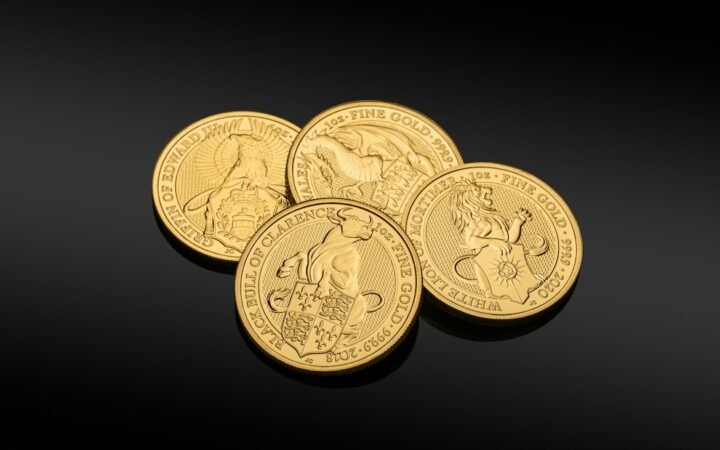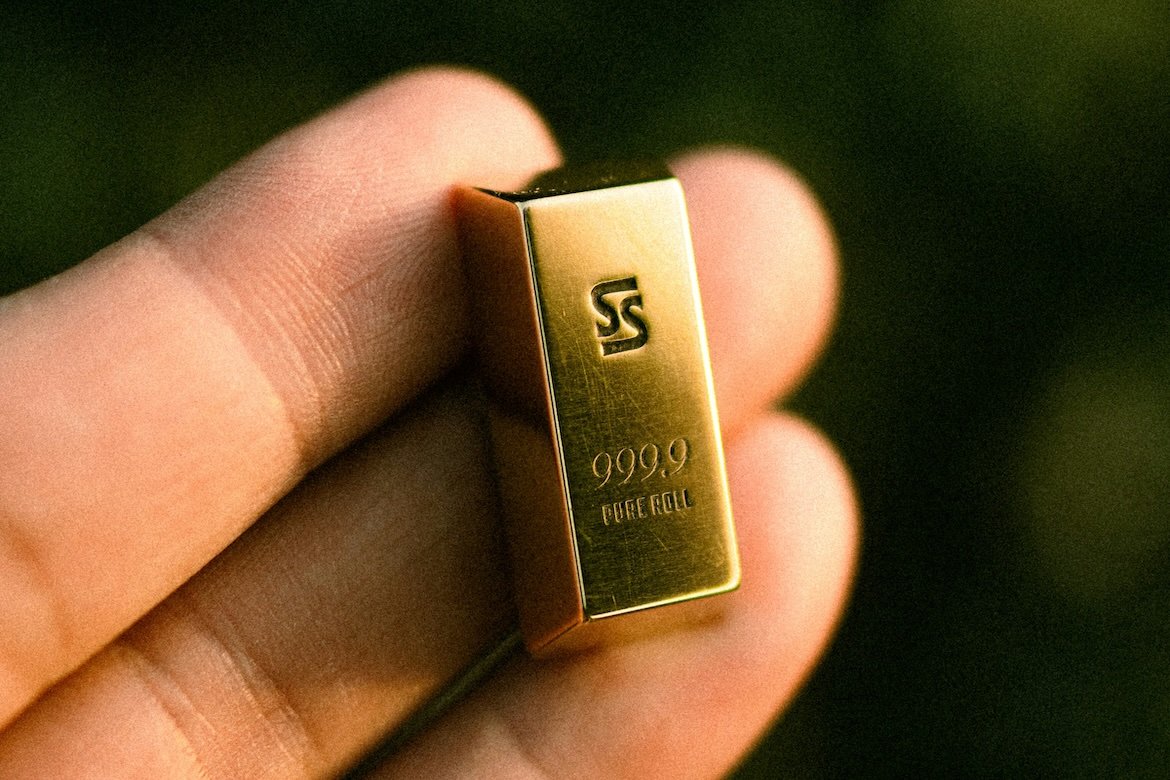

Gold prices plunged sharply on Tuesday, falling more than 6% in a single session – the steepest daily decline the metal has seen in roughly a decade. The collapse followed a blistering rally that pushed gold significantly higher this year and left it vulnerable to a sharp correction.
Even so, analysts at Swiss private bank Lombard Odier and veteran investor Bill Gross say the long-term fundamentals remain intact – driven by central-bank accumulation, inflation hedging and geopolitical concerns.
What Triggered the Sharp Drop
The sell-off was driven in large part by heavy profit-taking and a stronger-than-expected U.S. dollar, which made gold more expensive for foreign buyers and reduced its safe-haven appeal. Technical readings flagged overbought conditions, and the sudden reversal has drawn comparisons to trading behaviour more commonly seen in speculative equities than in bullion.
Lombard Odier analysts noted that while gold is “significantly overbought” in the short term, it remains well supported by structural demand. They highlighted how central banks have steadily increased holdings since 2008 and argued that further diversification away from U.S. dollar-based assets could underpin future gains. Bill Gross went further – likening gold’s surge to “meme and momentum stocks,” and cautioning that the latest drop might mark a cyclical peak in the short-term.
Outlook, Risks & What to Watch
From a medium-term standpoint, gold continues to benefit from elevated inflation, weak real yields and sustained geopolitical uncertainty – factors that favour its role as a store of value. Lombard Odier has upgraded its 12-month target to $4,600 per ounce, citing these flows. Other forecasts are higher still, expecting prices to push beyond $5,000 per ounce by 2026.
However, several risks remain. The sharp decline underscores gold’s growing sensitivity to market sentiment and rate expectations – characteristics more common in equity-like assets than in traditional hedges. A sustained rebound in the dollar, an unexpected hawkish turn by the Fed, or fading geopolitical flashpoints could weaken demand.
Investors will be watching upcoming inflation reports, central-bank reserve announcements and technical support levels around $4,000 per ounce. If liquidity dries up, the correction could deepen further – especially given the high concentration of speculative positioning revealed in recent moves.
As previously covered, gold’s bull leg may be intact, but the current corrective phase signals a moment of recalibration. For investors willing to hold the course, the dip may offer a long-term entry point – though the near term is unlikely to be smooth.