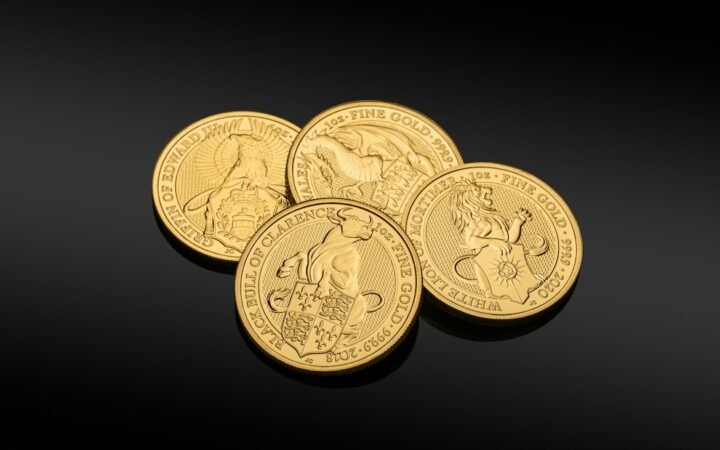

Gold has overtaken the U.S. dollar to become the world’s largest reserve asset, marking a historic shift in global financial preferences. The transition reflects mounting pressure on the dollar and a growing appetite for tangible stores of value as investors reassess currency risk.
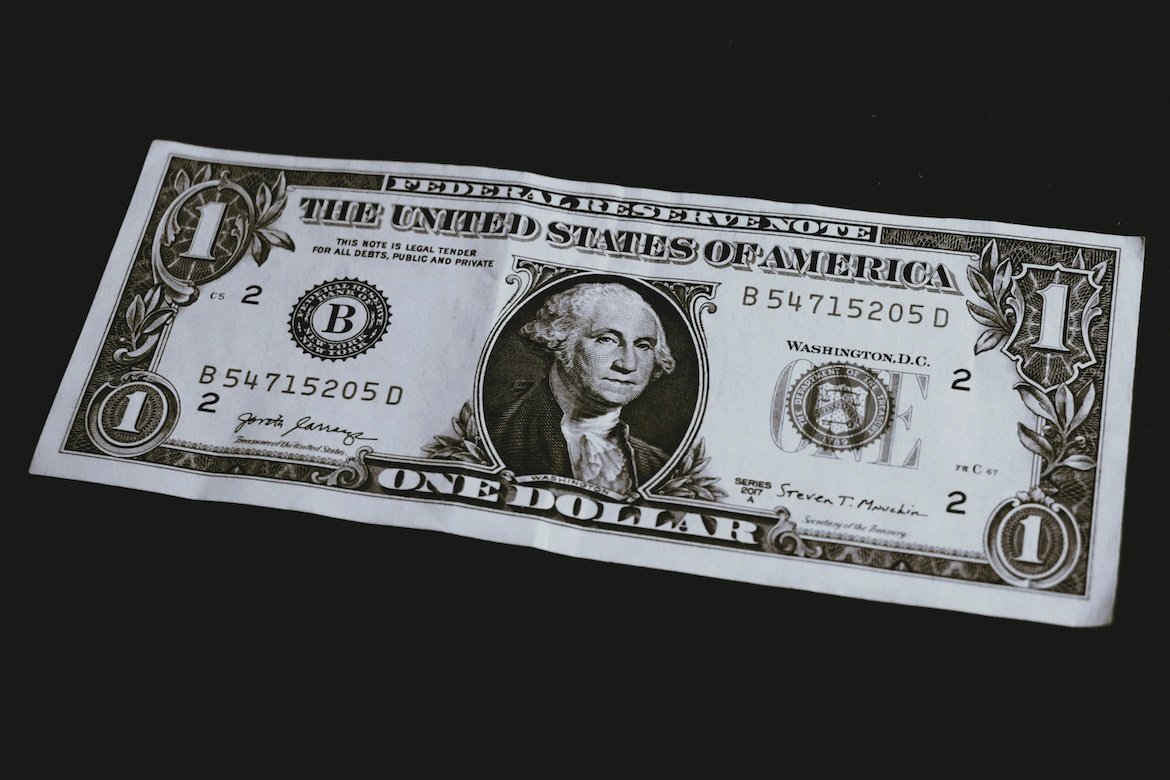
The U.S. dollar has continued to weaken in recent weeks. The dollar index has fallen roughly 1.5% over the past month, slipping to its lowest level since September and extending losses after its worst annual performance since 2017. The sustained decline has reinforced concerns about the long-term attractiveness of holding cash-denominated assets.
Market signals increasingly suggest that exposure to the dollar is viewed as riskier, particularly in an environment marked by elevated debt levels, geopolitical uncertainty, and shifting monetary dynamics.
Gold is replacing the dollar in reserves
Analysts point to a combination of structural and cyclical forces driving gold’s rise. Central banks have accelerated gold purchases as part of diversification strategies aimed at reducing reliance on the dollar-dominated financial system. As previously covered, reserve managers have been steadily increasing allocations to gold amid concerns over sanctions risk and currency volatility.
At the same time, persistent inflationary pressures and uncertainty around future interest rate paths have boosted demand for assets perceived as long-term stores of value. Gold’s finite supply and historical role as a hedge against currency debasement have made it increasingly attractive compared with fiat currencies.
The weakening dollar has further amplified this trend. As the currency loses purchasing power, the opportunity cost of holding non-yielding assets like gold diminishes, encouraging both institutional and private investors to rotate into real assets.
Markets and investors
Gold’s rise to the top of global reserve assets represents a significant change in market psychology. For decades, the dollar has been the cornerstone of the international financial system, benefiting from deep liquidity and trust in U.S. institutions. The current shift does not signal an immediate collapse of dollar dominance, but it does highlight a gradual erosion of confidence.
For investors, the message from markets is increasingly clear: diversification away from cash-heavy positions is becoming a priority. Real assets such as gold are being favored as protection against currency weakness and macroeconomic instability.
The trend could also have long-term implications for capital flows, exchange rates, and commodity markets. Sustained demand from central banks may provide structural support for gold prices, while continued dollar softness could reshape global investment strategies.
Looking ahead, investors will watch whether the dollar stabilizes or continues to slide. If current dynamics persist, gold’s role as a core reserve asset may strengthen further, reinforcing its position at the center of global financial portfolios.