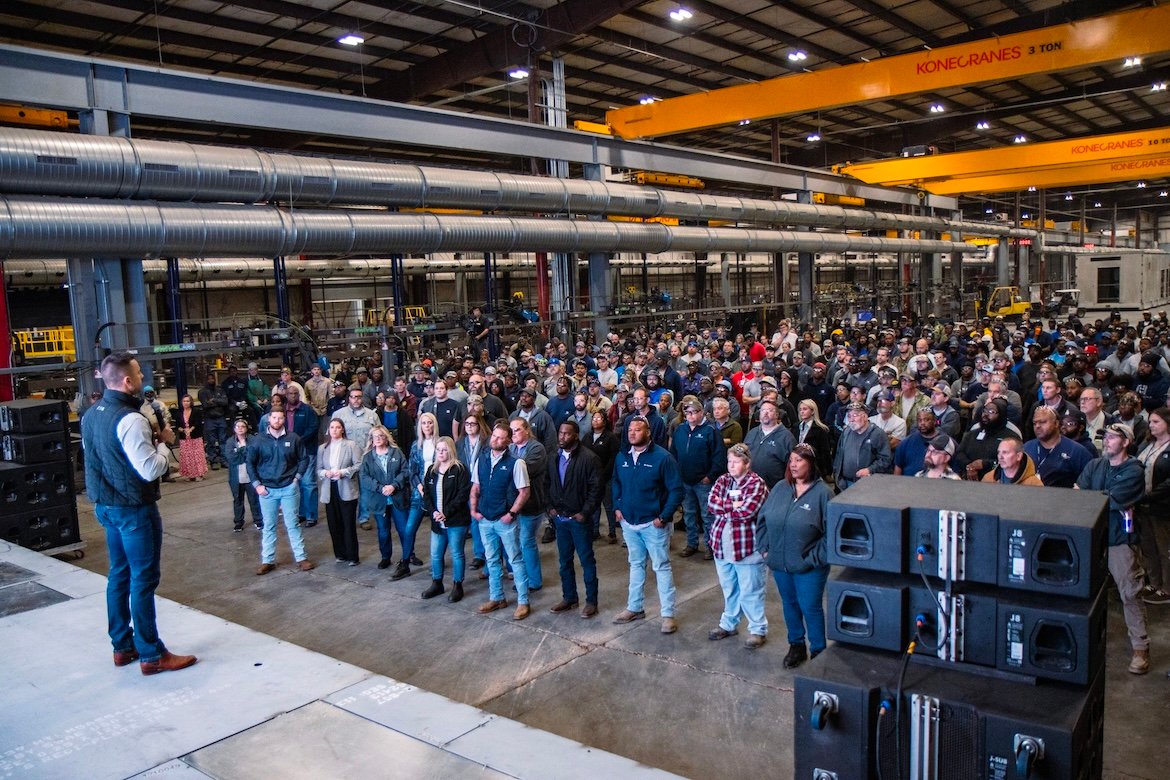

The sale of a family-owned manufacturing firm has turned into an extraordinary payday for its workforce, after Fibrebond’s chief executive chose to share a significant portion of the proceeds with employees. Following the transaction, the CEO allocated $240 million for staff bonuses, resulting in average payouts of about $443,000 per employee just ahead of the holiday season.
The move stands out in an era when mergers and acquisitions often reward executives and shareholders far more than rank-and-file workers. Instead of limiting compensation to traditional severance or retention packages, the Fibrebond leadership opted for a broad-based distribution designed to recognize long-term loyalty and contribution.
Why the CEO chose to share the proceeds
Fibrebond, a U.S.-based manufacturer specializing in engineered building solutions, had remained under family control for decades. When the company was sold, management faced a familiar crossroads: maximize personal returns or find a way to acknowledge the employees who helped build the business over generations.
According to people familiar with the decision, the CEO viewed the transaction as the culmination of a collective effort rather than an individual achievement. By carving out $240 million from the sale proceeds, the company effectively transformed a private equity-style exit into a shared milestone.
The CEO described the bonuses as a long-term gesture rather than a publicity move, saying he hoped to one day hear how the payouts changed employees’ lives – from buying homes and funding education to achieving financial security that might otherwise have been out of reach.
Such generosity is rare but not entirely unprecedented. As previously covered, a small number of founders in recent years have embraced employee wealth-sharing as a way to preserve company culture even after ownership changes. Still, the scale of Fibrebond’s payouts places it among the most significant examples to date.
Implications for workers and corporate culture
For employees, the bonuses represent far more than a one-time financial gain. Average payouts approaching half a million dollars can meaningfully alter household balance sheets, reduce debt burdens, and provide investment capital that compounds over time.
From a broader market perspective, the decision has reignited debate around stakeholder capitalism and how value is distributed during corporate exits. Critics argue such moves are unsustainable or symbolic, while supporters say they demonstrate that employee-aligned outcomes are possible without undermining deal economics.
The transaction may also influence how future family-owned businesses approach succession planning. In tight labor markets and industries struggling with retention, profit-sharing at exit could become a differentiator – particularly for founders concerned about legacy as much as valuation.
While Fibrebond’s sale is unlikely to reset norms across private markets, it offers a powerful counterexample to the idea that workers are inevitably left behind in major deals. In this case, the closing of one chapter created life-changing opportunities for hundreds of employees.