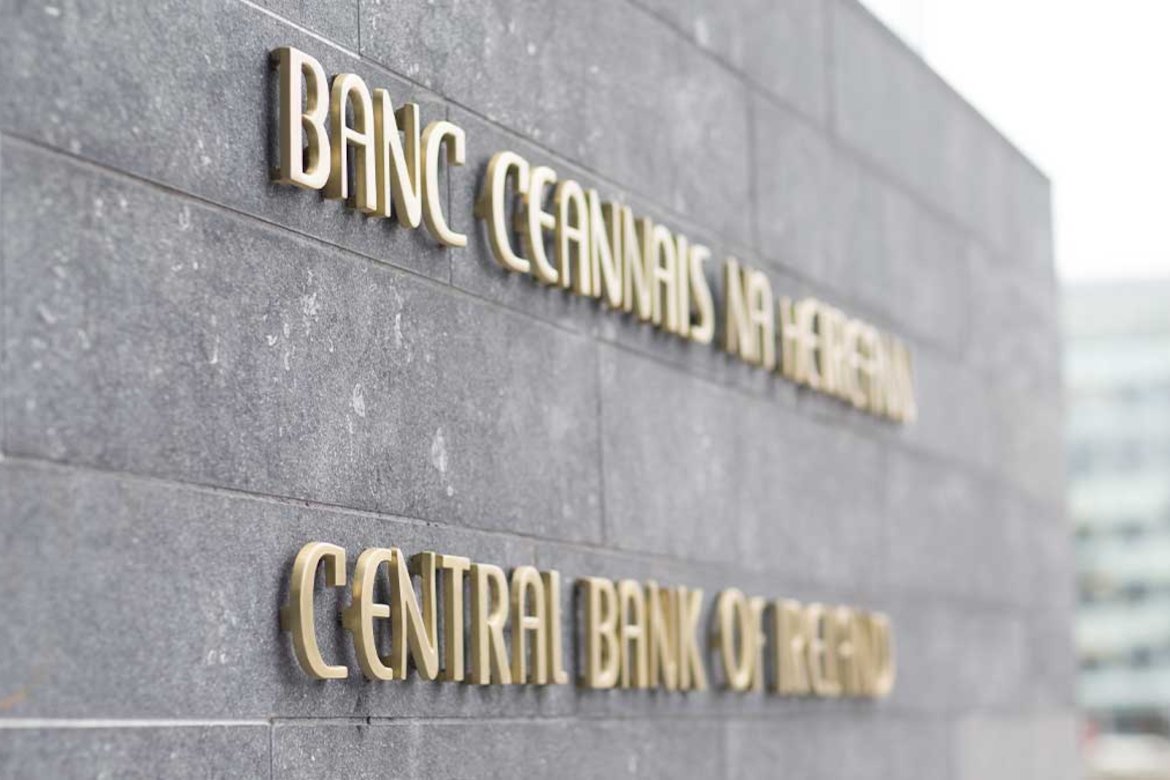

Crypto exchange Coinbase Europe Limited has been fined €21.5 million by the Central Bank of Ireland after regulators found the company failed to properly monitor approximately 30.4 million transactions, worth an estimated €176 billion, over a 12-month span between 2021 and 2022. The enforcement marks the first major sanction by the Irish regulator in the crypto sector.
According to the settlement, Coinbase Europe admitted to three coding errors within its transaction-monitoring software that prevented five of its 21 monitoring scenarios from fully screening customer activity. Investigators found the firm also failed to apply internal controls and did not conduct additional monitoring of about 184,790 transactions.
Compliance Failures and Regulator Response
Regulators assert that the deficiencies allowed users to remain on the platform longer than they should have, without adequate review of their transaction activity.
During the review, Coinbase identified nearly 185,000 affected transactions, from which it filed 2,708 suspicious-transaction reports though the regulator noted it could not confirm whether these involved criminal offences.
Deputy Governor Colm Kincaid of the Central Bank emphasised that the “technical features” of crypto – anonymity and cross-border flows – underscore the need for rigorous compliance systems.
The fine was reduced from an initial €30.7 million following a settlement-discount scheme. Coinbase said it has since remediated the errors, enhanced test protocols and strengthened controls around its transaction-monitoring system.
Regulatory Lessons
For the crypto sector, the case underscores that regulatory bodies in Europe are increasingly treating digital-asset service providers like traditional financial institutions when it comes to anti-money-laundering and counter-terror-financing obligations. Firms operating in the region should heed this as a signal: compliance infrastructure lapses can trigger large penalties and compliance costs.
As previously covered, recent regulatory actions in the crypto space from EU framework updates to national enforcement reflect a shift toward higher accountability for firms that handle digital assets.
Market participants should monitor: whether similar enforcement actions follow in other jurisdictions, how crypto firms adjust their transaction-monitoring systems, and how regulatory clarity develops around cross-border crypto transactions.