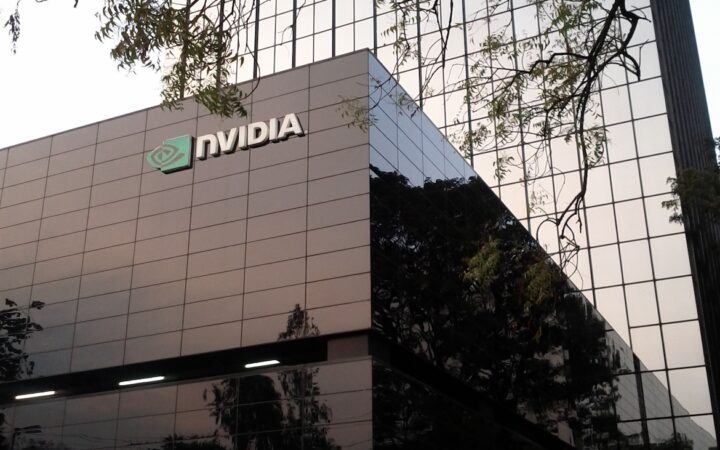
SpaceX has announced a strategic partnership with NVIDIA to develop the computing platform for its planned Starmind orbital AI infrastructure, deepening cooperation between two of the biggest beneficiaries of the artificial intelligence boom.
Under the agreement, SpaceX and NVIDIA will jointly design the computing payloads installed aboard the upcoming Starmind satellites. The spacecraft will use NVIDIA’s latest Rubin GPUs alongside Vera CPUs, providing what the companies describe as data center-class AI computing capacity in orbit.
Starmind is SpaceX’s planned satellite constellation for space-based artificial intelligence computing. Instead of processing all workloads in conventional terrestrial data centers, the project is designed to capture solar energy in orbit and use it to power high-performance computing services for customers on Earth. SpaceX has positioned the system as a potential response to the rising electricity, cooling, land, and water requirements of ground-based AI infrastructure.
NVIDIA will also participate in developing the broader satellite computing architecture, including hardware optimized for the radiation, temperature changes, energy constraints, and communications requirements of space. The chipmaker previously introduced its Space-1 Vera Rubin Module, a platform specifically designed to bring advanced AI processing to orbital systems.
Elon Musk said SpaceX plans to build its future computing infrastructure exclusively around NVIDIA platforms, calling the Vera Rubin architecture the best AI computing system currently available. He also indicated that SpaceX could receive a significant portion of NVIDIA’s GPU production in the coming year, potentially making the company an increasingly important customer for the chipmaker.
The partnership gives NVIDIA another major growth opportunity beyond terrestrial data centers, while SpaceX gains access to the hardware and software ecosystem currently dominating AI model training and inference. It also strengthens SpaceX’s attempt to expand beyond rockets and satellite communications into large-scale computing infrastructure.
However, orbital data centers remain technically and economically unproven. SpaceX and NVIDIA will need to address launch costs, radiation damage, maintenance, data transmission latency, and the replacement of failed hardware before Starmind can compete meaningfully with ground-based facilities.