
Apple (AAPL) has become the latest company to reach the $4 trillion market capitalization milestone, joining Nvidia (NVDA) and Microsoft (MSFT) as investor enthusiasm around artificial intelligence and hardware innovation continues to propel the world’s largest technology firms to record highs.
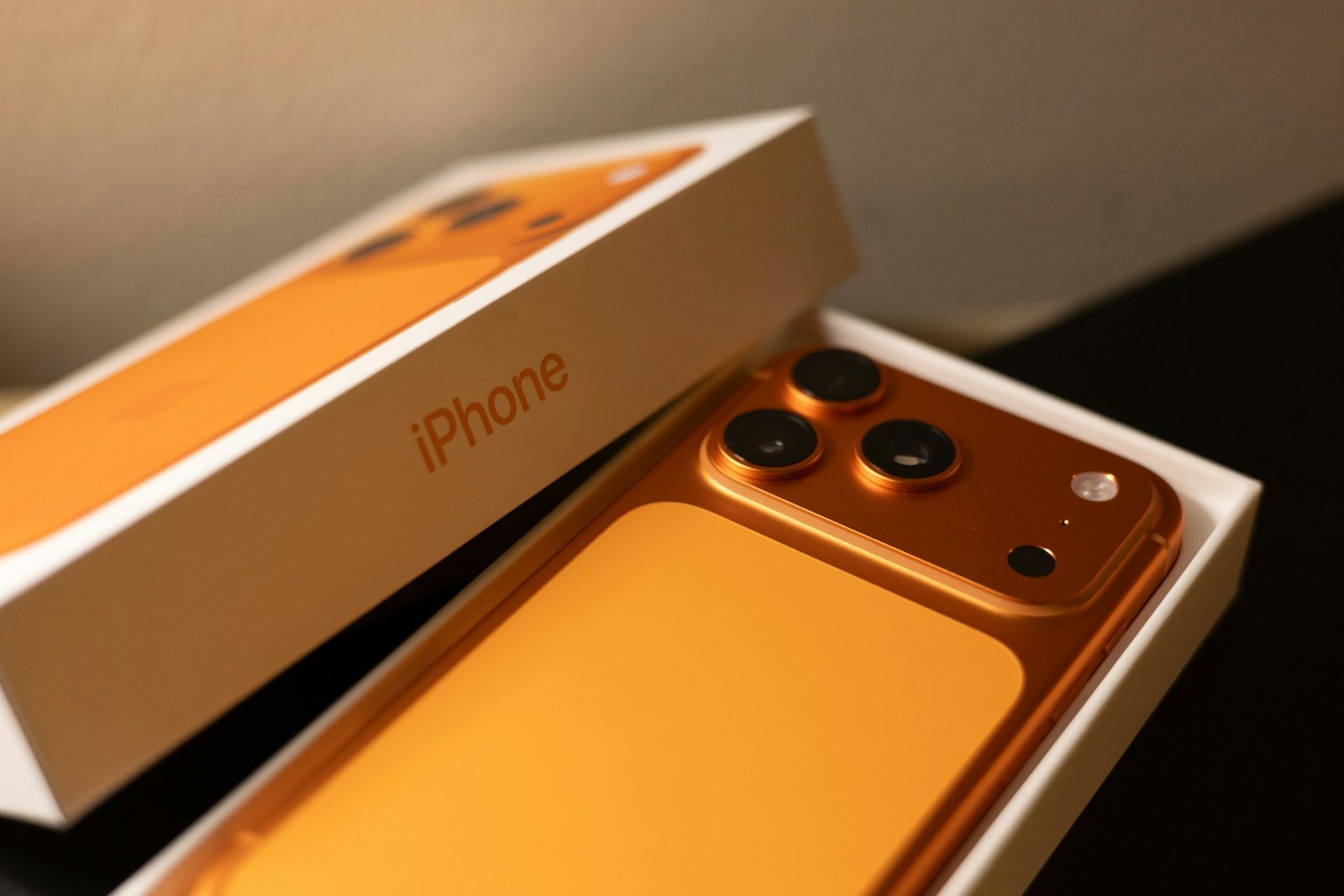
Apple’s shares rose this week after Counterpoint Research reported that its new iPhone 17 lineup outperformed last year’s iPhone 16 in early sales, particularly in the United States and China. According to the data, iPhone sales jumped 14% year-over-year during the first 10 days of availability, with consumers showing strong demand for both the base iPhone 17 and iPhone 17 Pro models.
The newly introduced iPhone Air is also outselling the iPhone Plus, which it replaced this year – a sign that Apple’s product refresh and pricing strategy are resonating in a crowded smartphone market.
Cooling Lead Times, but Strong Core Demand
Despite the initial surge, some analysts note signs of a modest slowdown. In a recent research note, Jefferies analyst Edison Lee said lead times – the waiting period between ordering and delivery – have shortened across several major markets, including the U.S., Germany, and China.
“For [iPhone 17 Pro], the U.S. now has zero lead time, meaning three out of six markets we track have no wait,” Lee wrote. “For [iPhone Pro Max], delivery times have also fallen further, while Germany and the U.K. remain at zero.”
Even with moderating lead times, Apple’s smartphone business remains its financial cornerstone, generating $201.2 billion of its $391 billion in total revenue in 2024. Its Services segment, including iCloud, Apple Music, and App Store operations, brought in $96.2 billion, reflecting a growing diversification beyond hardware.
AI Integration and Market Leadership
Analysts credit Apple’s expanding AI ecosystem – including on-device intelligence across the iPhone 17 series and its Vision Pro platform – as a key driver behind renewed investor optimism. The company’s ability to merge AI seamlessly into consumer products has reinforced its competitive edge against both hardware rivals and software-centric peers.
Meanwhile, Nvidia and Microsoft, which previously crossed the $4 trillion threshold, continue to dominate AI infrastructure and enterprise computing. Nvidia’s chip demand remains unprecedented, while Microsoft’s deep integration of OpenAI technology into its cloud and productivity platforms is reshaping enterprise software.
Together, Apple, Microsoft, and Nvidia now represent over 20% of the S&P 500’s total market capitalization, symbolizing the deep concentration of global investor confidence in AI-powered growth.
While analysts warn that valuations could be tested by economic headwinds or regulatory scrutiny, Apple’s strong balance sheet, brand loyalty, and cross-platform AI strategy keep it well positioned to sustain momentum through 2026.
For now, the world’s most valuable public company has reaffirmed its dominance – and placed itself firmly at the center of the AI-driven era in technology.