Key Notes
- Prospective IPO investors are questioning Anthropic’s $1.5 trillion valuation, with one suggesting a figure closer to $1 trillion.
- The reported November roadshow and listing face uncertainty, while the company has announced neither a final price nor a postponement.
- Anthropic’s latest filing combines rapid revenue growth with substantial computing commitments and $146.6 billion in liquidity, including available credit.
Anthropic is facing pressure to lower its IPO valuation after Thursday’s AI-stock rout, with one prospective investor suggesting a figure closer to $1 trillion than the $1.5 trillion recently discussed. The pushback has also raised doubts about whether the Claude developer can complete its planned November listing.
Three major investors intending to participate believe the valuation needs to come down, The Wall Street Journal reported. Anthropic had been aiming to list before Thanksgiving and raise as much as $100 billion. A smaller offering or a delay are among the possibilities facing the company.
Reuters separately found that potential buyers were questioning whether the roadshow could start next week, citing four people familiar with investor discussions. Anthropic declined to comment to Reuters. The reports describe negotiations with prospective buyers; the company has not announced a $1 trillion IPO price or a postponement.
Investors Press for a Steeper Discount
Valuation expectations were already retreating before Thursday’s selloff. Earlier this week, institutional investors had pushed for roughly $1.5 trillion to $1.6 trillion, below the approximately $2 trillion figures discussed in recent months.
Moving from $1.5 trillion to $1 trillion would mean a further one-third reduction in the value assigned to the company. Compared with $2 trillion, it would cut the proposed valuation in half. Those are comparisons between possible deal prices, not losses on publicly traded ANT shares.
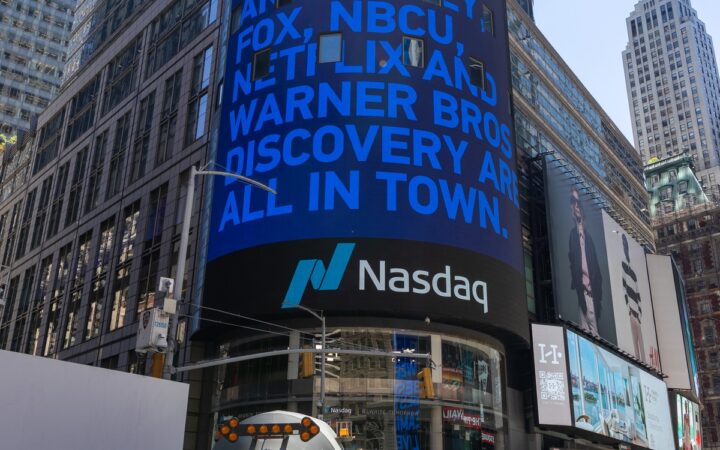
Anthropic’s October 26 IPO announcement identified ANT as its proposed Nasdaq Global Select Market symbol and left the price range and share count undetermined. The November 2 amendment still contains blanks for those terms. There is no ordinary public-market ANT share price against which to measure a decline.
November’s Roadshow Is No Longer Assured
The roadshow had been expected to begin during the week of November 9, with pricing the following week, Reuters reported. That timetable would allow a debut before the November 26 Thanksgiving holiday. Investor resistance now threatens the tight interval between marketing the shares and setting their price.
The roadshow is where management presents the business and bankers collect indications of how much stock investors want, and at what price. Those indications form the order book used to shape the offering. Buyers asking for a bigger discount can force changes to both the price and the number of shares sold.
A lower company valuation and a smaller fundraise are different decisions. Selling more shares at a lower price can preserve the amount raised while increasing dilution. Selling fewer shares can limit the stock placed with investors but brings in less money.
The proceeds also depend on who sells. Anthropic’s preliminary prospectus includes shares from the company and existing holders; cash from the latter goes to those shareholders. A reported $100 billion offering would therefore not necessarily provide $100 billion of fresh funding to Anthropic.
Claude’s Growth Comes With an Infrastructure Bill
The company’s quarterly update gave buyers an unusually fast-growing business to assess. Third-quarter revenue reached $16.956 billion, up about 1,127% from a year earlier and 47% from the preceding quarter.
Profitability is less straightforward. Anthropic reported a $567 million GAAP operating loss alongside $2.463 billion in adjusted operating income. The adjusted margin fell to 15% from 19%, and the measure excludes stock-based compensation and non-cash charitable contributions.
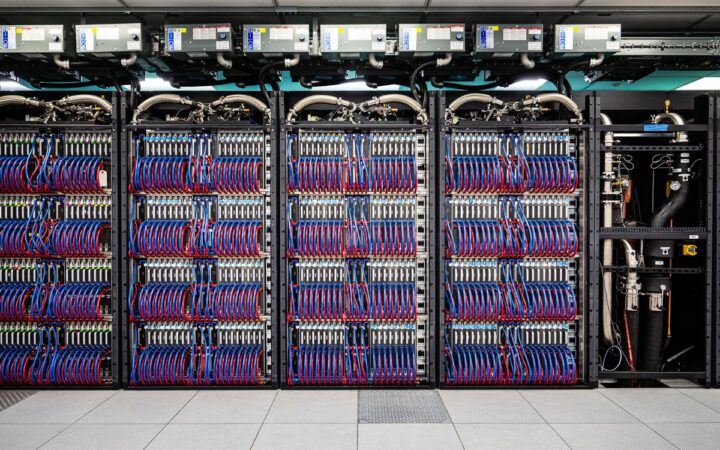
Its amended prospectus disclosed about $895.4 billion of purchase and lease commitments, largely for computing and infrastructure, extending through 2045. Approximately $69.8 billion falls due in the year after September 30, 2026. Some contracts have termination rights or conditions before commencement.
Anthropic also reported $146.6 billion in liquidity at September 30: $95.6 billion in cash and equivalents, $36.3 billion in short-term investments and $14.8 billion available under a credit facility, with rounding. The total includes borrowing capacity, rather than being entirely cash on hand.
That funding cushion gives the company options. But the spending commitments explain why the eventual IPO proceeds matter even to a business generating rapidly rising sales: capacity must often be secured well before the resulting customer revenue arrives.
The Market Rout Changes the Bargaining Position
Thursday’s market rout made those financing questions harder to separate from sentiment toward AI. The Nasdaq Composite fell 5.52%, the Nasdaq 100 lost 6.36% and the S&P 500 declined 4.36%, with chipmakers and computing-infrastructure companies among the hardest hit.
Nasdaq futures rebounded early Friday, gaining about 1.8% from their previous close at the 09:38 UTC snapshot. The IPO negotiations require something more durable than an overnight bounce: institutional commitments large enough to support the offering.
Buyers are also waiting for Anthropic’s October revenue figure, which Reuters said was left blank in the updated filing. That would give them a more recent measure of demand before committing to a price.
Anthropic’s bankers now have to turn the company’s sales growth into a book of orders while the November window is still open. The size of that book will help determine whether the company accepts a lower valuation, raises less money or waits for a more receptive market.