Key Notes
- ChatGPT Wallet launches for eligible US Pro subscribers aged 18 and over.
- Users review and approve each purchase before their dot completes checkout.
- Payments use existing cards and transaction-specific tokens from card networks.
OpenAI launched ChatGPT Wallet on Friday, giving its personal AI agents a way to pay for purchases with users’ existing cards. The service moves the company deeper into online commerce, allowing an agent to carry a shopping request through checkout after the customer approves the transaction.
The November 13 rollout starts with eligible ChatGPT Pro subscribers in the United States who are at least 18 and have a supported US-issued card. Wallet works in conversations with OpenAI’s personal agents, known as dots. It is not initially available in ordinary Chat, Work or standalone Codex conversations, according to the company’s availability guide.
Users Still Approve Checkout
Customers add a card once, then ask their dot to find something to buy. Before payment, they review the items, total and selected card and authorize the purchase with a security check such as Face ID or a fingerprint.
The payment network then supplies a token containing substitute card credentials for that transaction. The agent can use those credentials at checkout without receiving the customer’s actual card details. Approval lets the dot continue the purchase; the merchant still has to accept the order.
OpenAI’s launch announcement also describes a future in which users could delegate spending within preset limits, categories or time periods. That broader authority is a roadmap ambition. The initial Wallet flow asks users to approve each purchase.
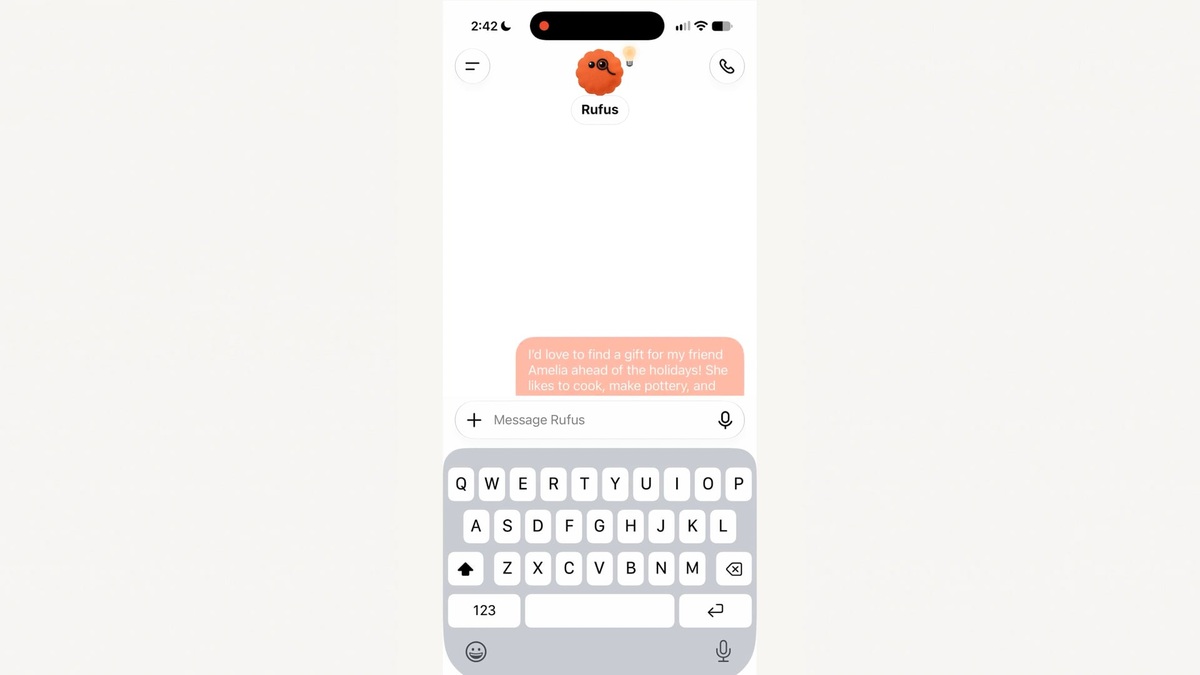
OpenAI’s official demonstration shows a dot handling a shopping request and seeking payment approval.
Card Networks Keep Their Role
OpenAI built Wallet with American Express (NYSE: AXP), Mastercard (NYSE: MA) and Visa (NYSE: V). Cardholders retain their existing rewards and protections for eligible disputes.
Payments continue through existing card accounts. Under the Wallet terms, OpenAI provides payment credentials rather than a bank account or stored cash balance. The merchant remains responsible for selling and delivering the goods, customer service and refunds; the card issuer decides whether to authorize the charge.
OpenAI is not taking a transaction cut at launch, its payments team told CNBC. For now, the company is concentrating on establishing relationships with merchants and payment partners.
From Product Search to Completed Orders
Wallet follows OpenAI’s introduction of business profiles and agents for companies inside ChatGPT. Together, the products give businesses ways to be found and let shoppers act on what they find.
Retailers do not need a Wallet-specific integration for an existing checkout page, OpenAI says in its merchant guidance. Their fraud and bot-detection systems can nevertheless block the cloud browser used by ChatGPT and cause purchases to fail.
The payment credential solves one part of the transaction. To turn more shopping conversations into sales, OpenAI also needs retailers to let its agents through the front door.