Nvidia unveiled a broad range of new artificial intelligence technologies at Computex, including its new Vera processor designed specifically for AI agents.
CEO Jensen Huang also introduced the Nemotron 3 Ultra model, platforms for robotaxis and humanoid robots, new AI development tools, and the DGX Station AI workstation for Windows.
The announcements underscore Nvidia’s strategy to expand beyond AI chips and become a foundational provider of infrastructure for agentic AI, robotics, and next-generation computing.
News at #NVIDIAGTC Taipei:
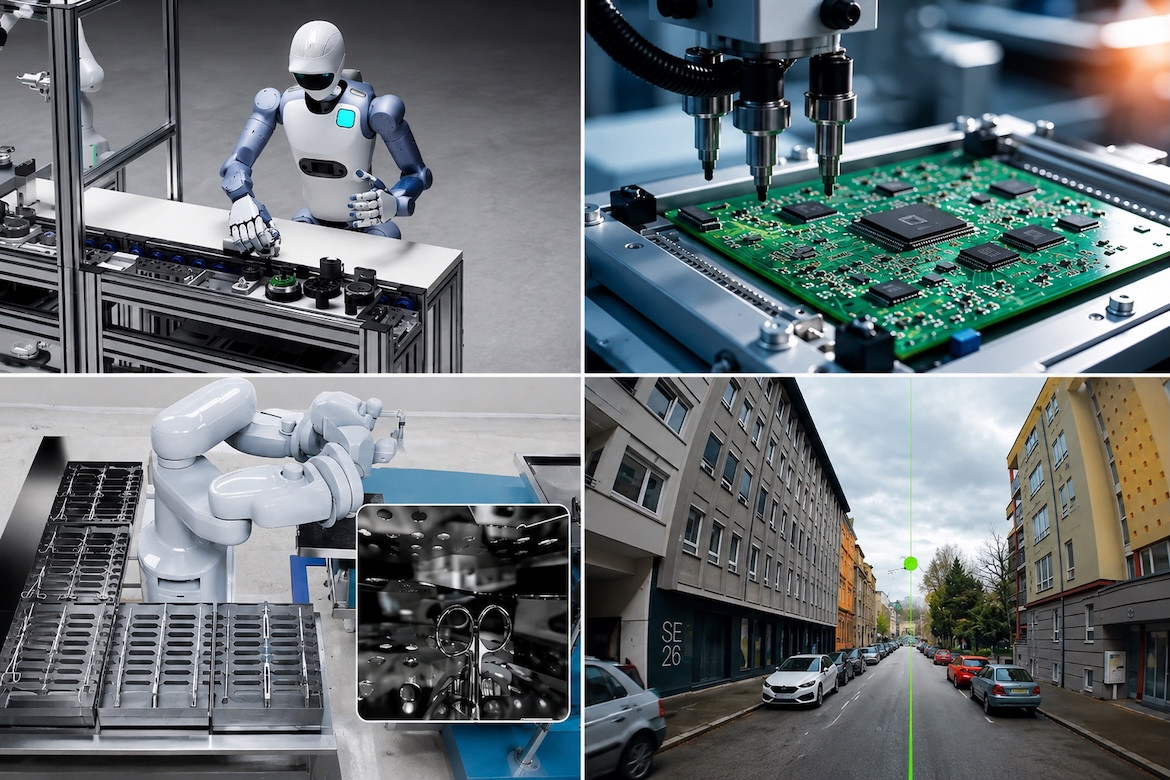
NVIDIA announces the NVIDIA Isaac GR00T Reference Humanoid Robot, the first open humanoid robot reference design for robotics research.
Read the release ⬇️ https://t.co/G46tIwZvpf
— NVIDIA Newsroom (@nvidianewsroom) June 1, 2026
Building the Infrastructure for Agentic AI
Vera is Nvidia’s first CPU specifically designed for AI agents, reflecting the company’s belief that autonomous software systems will become a major computing category.
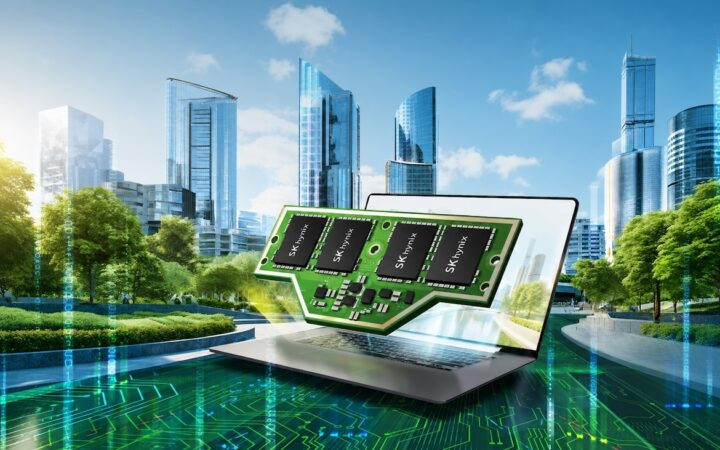
Huang said future personal computers will increasingly ship with dedicated AI processors capable of running advanced models directly on-device.
He also dismissed concerns that artificial intelligence will inevitably eliminate large numbers of jobs, calling such predictions “nonsense” and arguing that AI will primarily transform how people work rather than replace them entirely.
Analysts note that Nvidia is increasingly positioning itself at the center of every major AI trend, from cloud infrastructure and AI PCs to robotics and autonomous systems.
The company’s strategy extends beyond chips toward building complete hardware and software ecosystems for AI deployment.
Partnerships and Robotics Expansion
Nvidia also highlighted its growing collaboration with TSMC to integrate AI technologies into semiconductor manufacturing processes.
The partnership aims to improve chip design, production efficiency, and manufacturing automation as global demand for advanced semiconductors continues accelerating.
At the same time, Nvidia is investing heavily in infrastructure supporting robotaxis, humanoid robots, industrial automation, and AI agents capable of performing increasingly complex tasks.
Analysts view these initiatives as part of a broader shift toward “physical AI,” where artificial intelligence moves beyond software applications and begins operating in real-world environments.
The broader takeaway is that Nvidia is rapidly expanding from an AI chip supplier into a full-stack AI infrastructure company spanning software, hardware, robotics, autonomous systems, and intelligent computing platforms.