Nvidia Backs Financing for Massive OpenAI Data Center in Ohio
Nvidia is backing financing for a massive OpenAI data center project in Ohio, reinforcing the company's strategy of accelerating AI infrastructure investment.
Follow the breakthroughs and disruptions driving the technology industry. From artificial intelligence and advanced chips to new digital platforms and corporate strategies, this section covers how leading tech companies innovate and shape the future of business. We highlight major product launches, research advances and market moves to give readers a clear view of where technology and commerce intersect.
Nvidia is backing financing for a massive OpenAI data center project in Ohio, reinforcing the company's strategy of accelerating AI infrastructure investment.
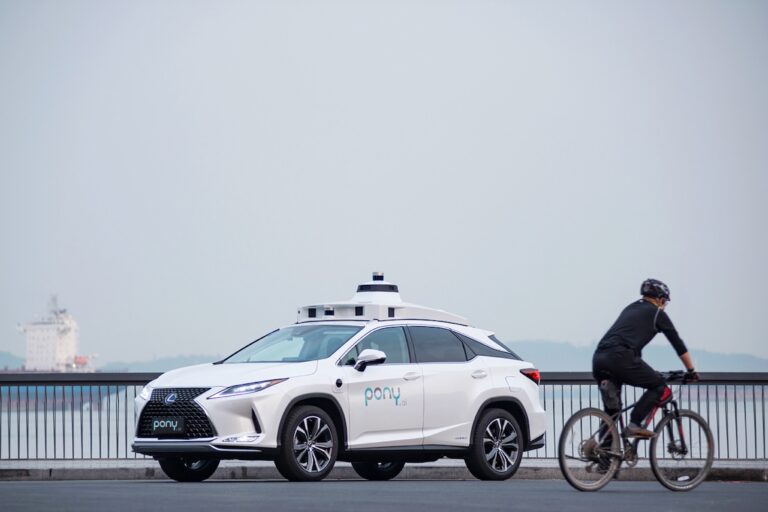
Uber and China's Pony.ai are expanding their autonomous driving partnership with plans to deploy more than 2,000 robotaxis across Europe.

LG shares climbed more than 6% after the company expanded its strategic partnership with Nvidia to develop humanoid robots, AI factories, and next-generation mobility technologies.

Revolut will open its first airport lounge in Copenhagen in 2027 as the fintech company expands beyond banking into premium travel services.

SK Hynix began trading on Nasdaq after raising $26.5 billion in an oversubscribed ADR offering, with the proceeds set to expand AI memory chip production.

Volkswagen, BMW, and Mercedes-Benz are cutting jobs and reducing costs as rising competition from Chinese automakers reshapes the global automotive industry.
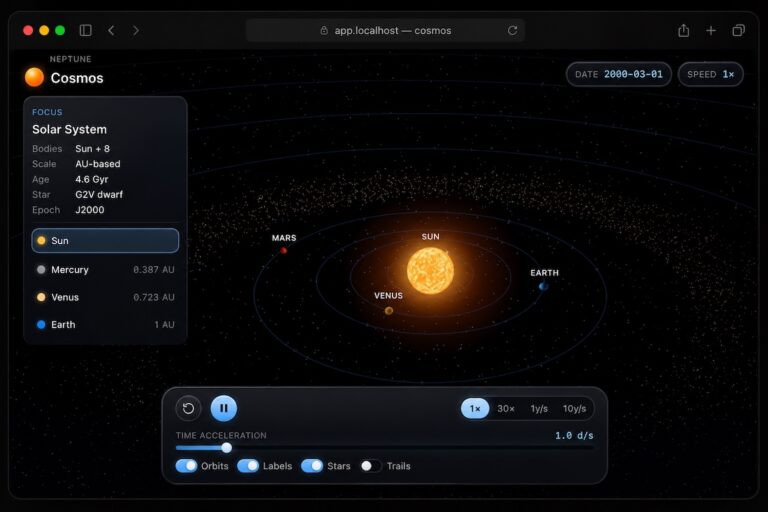
SpaceXAI has launched Grok 4.5, its most advanced AI model yet, designed for coding, agentic tasks, and knowledge work with availability through Grok Build, Cursor, and...

Instagram now allows Meta AI to generate images using photos from public accounts by default, unless users manually disable the feature in their settings.

Honda, Nissan, and Mitsubishi are expanding their partnership by sharing software, electronic systems, and components in an effort to cut costs and better compete with rapidly...
Alibaba has banned employees from using Anthropic's Claude Code, directing developers to use its in-house AI coding platform after concerns over user identification features.

Cloudflare has opened the waitlist for Monetization Gateway, a service that enables websites, APIs, datasets, and AI tools to charge for access through the open x402...

Meta shares jumped after a report said the company is developing a cloud business that will sell AI models and excess computing capacity to external customers.