Deprecated: trim(): Passing null to parameter #1 ($string) of type string is deprecated in /home/u752143311/domains/marketspeaker.com/public_html/wp-content/plugins/wordpress-seo/src/presenters/rel-prev-presenter.php on line 70
Deprecated: rtrim(): Passing null to parameter #1 ($string) of type string is deprecated in /home/u752143311/domains/marketspeaker.com/public_html/wp-includes/formatting.php on line 2829
Gold prices retreated from a six-week high as rising U.S. Treasury yields and investor profit-taking weighed on the metal, while silver pulled back from its record peak.
By Oleg PetrenkoUpdated
3 mins readGold falls as investors book profits, Treasury yields rise. Photo: Chepry / Wikimedia
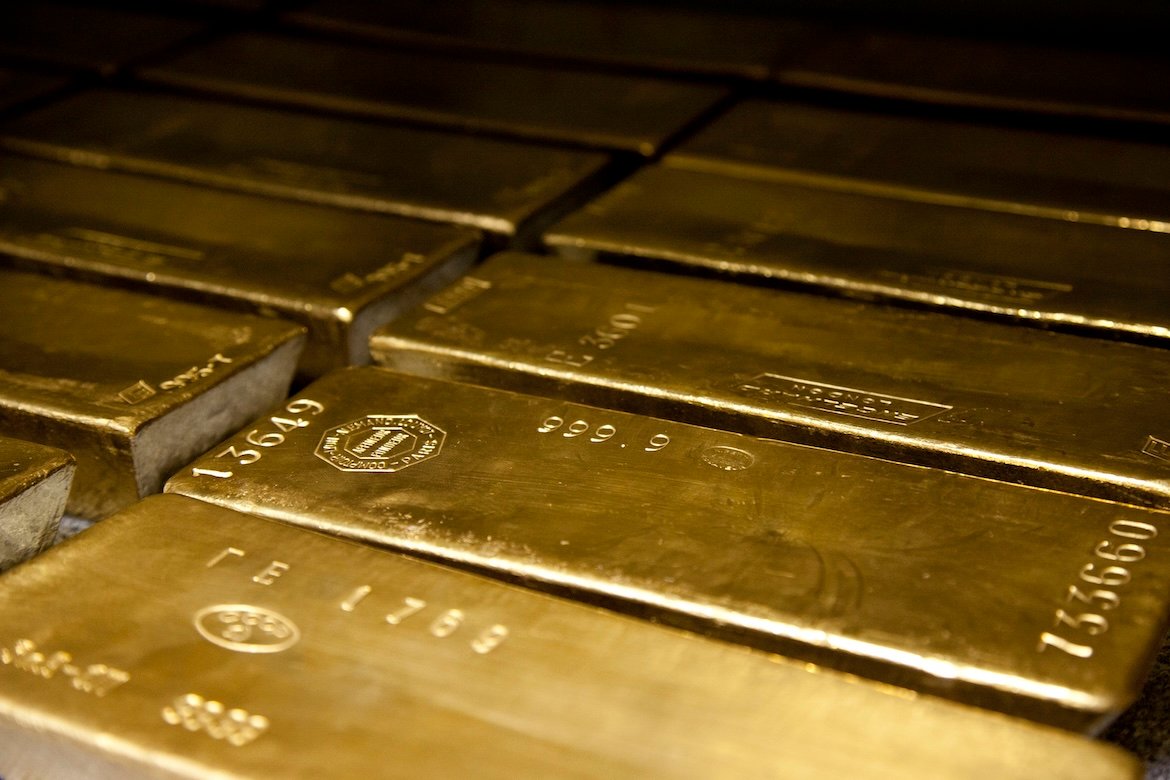
Gold prices pulled back on Tuesday as higher U.S. Treasury yields and a wave of profit-taking halted the metal’s recent rally. Spot gold was down 0.7% at $4,203.55 per ounce by late morning trading, while U.S. gold futures for February delivery fell 0.9% to $4,234.40. The decline follows a strong two-week rebound from the $4,000 level to above $4,250, prompting some investors to lock in gains.
Analysts said the move lower comes ahead of key U.S. economic data releases, with markets closely tracking whether weakening growth may reinforce expectations for the Federal Reserve’s next monetary policy shift. Meanwhile, silver prices also eased after hitting a record high of $58.83 per ounce on Monday.
Why Gold Is Pulling Back
Rising Treasury yields were the main pressure on bullion, with the benchmark 10-year yield hovering near a two-week peak. Higher yields typically weigh on non-yielding assets like gold by increasing the opportunity cost of holding them.
Market participants also pointed to profit-taking after a rapid rally in recent weeks. Carlo Alberto De Casa, external analyst at Swissquote, said traders were “booking gains after prices climbed sharply from $4,000 to $4,250 over the past two weeks,” noting that short-term volatility remains elevated.
The broader macro backdrop remains mixed. U.S. manufacturing data contracted for a ninth consecutive month, reinforcing concerns about slowing activity. However, persistently firm yields suggest investors are not yet convinced the Federal Reserve will move quickly toward easing.
Silver’s pullback from an all-time high also contributed to a broader cooling across precious metals markets. As previously covered, silver has surged this year on tight supply, heavy industrial demand, and strong seasonal buying in Asia.
Market Outlook Ahead of Key U.S. Data
Traders are now focused on upcoming U.S. economic releases, which could influence rate expectations and guide precious metals markets into year-end. A weaker data print may revive expectations of an earlier Fed rate cut, which would typically support gold.
Despite the short-term pullback, analysts emphasize that structural drivers – central-bank buying, geopolitical uncertainty, and ongoing inflation concerns – remain supportive for the metal. Positioning data also shows investors have maintained sizable long exposure throughout the recent rally.
Silver’s trajectory will also be closely monitored. After hitting a record price, analysts expect heightened volatility as industrial buyers, traders, and ETF flows react to rapid price swings.
For gold, the next major test lies in whether it can hold the $4,200 level while awaiting fresh catalysts. Any renewed decline in yields or softer economic data could help stabilize the market.
Goldman Sachs agreed to purchase Innovator Capital Management for about $2 billion, adding 159 defined-outcome ETFs and $28 billion in supervised assets to its expanding asset management business.
By Oleg PetrenkoUpdated
3 mins readGoldman Sachs announces agreement to acquire Innovator Capital Management. Photo: Innovator ETFs / X
Goldman Sachs reached an agreement to acquire Innovator Capital Management for roughly $2 billion, marking its largest move this year to expand its asset and wealth management division. The firm said the deal will deepen its exchange-traded fund capabilities, particularly in the fast-growing defined-outcome ETF segment. Closing is expected in the second quarter of 2026.
Innovator oversees $28 billion across 159 ETFs as of September 30, specializing in structured fund products that use options and other contracts to offer targeted gains or limit losses over a specified period. The acquisition will bring more than 60 Innovator employees into Goldman’s asset management organization once the transaction is completed.
Goldman has made scaling its asset management business a top strategic priority after retreating from its earlier push into consumer banking. This pursuit has accelerated through a string of acquisitions and investments across the industry.
Goldman Is Buying Innovator
Defined-outcome ETFs have become one of the fastest-expanding parts of the U.S. retail investing market, appealing to investors seeking built-in risk buffers during volatile periods. Goldman CEO David Solomon said the acquisition fits into the firm’s broader plan to grow differentiated, modern investment offerings for clients.
The bank has been steadily reshaping its business mix. As previously covered, Goldman has moved away from loss-making consumer initiatives and redirected capital toward areas with steadier returns, including wealth, asset management, and private markets. Earlier this year, the firm took a $1 billion stake in T. Rowe Price and later purchased Industry Ventures to expand its alternative investments platform.
Adding Innovator’s lineup gives Goldman immediate scale in a category it previously lacked, positioning the firm to compete more aggressively with asset managers that have built large ETF franchises.
What the Deal Means for Investors and the Firm
For investors, the acquisition could broaden access to structured ETF products that have gained traction among both financial advisors and retail users. As Goldman integrates Innovator’s strategies, analysts expect the firm to expand distribution, product design, and institutional adoption across its global network.
For Goldman, the purchase reinforces its transition toward fee-based revenue streams. The bank has emphasized that asset and wealth management will play a defining role in its long-term earnings profile – particularly as markets shift toward low-cost, transparent investment vehicles.
Executives also view ETF growth as central to keeping pace with peers that have grown rapidly in passive and structured investment products. While Goldman has long dominated trading and investment banking, this acquisition signals a deeper push to compete in a segment increasingly favored by long-term investors.
The firm said Innovator’s team and ETF infrastructure will be folded directly into its asset management division, suggesting a rapid integration once approvals are secured.
Apple has appointed former Microsoft and Google DeepMind executive Amar Subramanya to lead its AI division as longtime AI chief John Giannandrea steps down, marking the company’s most significant AI leadership shake-up in years.
By Oleg PetrenkoUpdated
3 mins readheadquarters as leadership changes reshape its AI strategy. Photo: TechCrunch / Wikimedia
Apple announced a major leadership shift in its artificial intelligence division, confirming that John Giannandrea, the company’s long-time head of AI, will step down and serve as an advisor before retiring this spring. Giannandrea joined Apple in 2018 after leading AI efforts at Google and played a key role in shaping Apple’s machine-learning strategy.
His successor will be Amar Subramanya, an AI researcher with leadership experience at Microsoft and Google’s DeepMind. Subramanya will become Apple’s vice president of AI and report to Craig Federighi, Apple’s software chief, who has increasingly taken a central role in the company’s AI strategy.
Why Apple Is Reshaping Its AI Leadership
Apple’s decision reflects intensifying pressure to accelerate its AI capabilities following a year in which analysts repeatedly warned that the company had fallen behind its largest technology peers. While Apple Intelligence was marketed as a major leap forward, its rollout was met with mixed reviews, and a redesigned Siri – one of its most anticipated features – was delayed until 2026 due to development challenges.
Industry analysts note that Apple’s approach remains distinct from companies such as Microsoft, Google, and Meta, which have spent tens of billions of dollars building cloud-based AI infrastructure to support large-scale generative models. Apple continues to prioritize on-device processing, an approach that reduces reliance on cloud computing but also limits the speed at which the company can train and deploy advanced models.
By appointing Subramanya and shifting several AI-related teams under software chief Craig Federighi, Apple aims to bring stronger technical alignment across its AI efforts. Subramanya will lead teams focused on foundation models, AI research, and safety protocols, while other groups previously reporting to Giannandrea will now fall under the chief operating officer and services leadership.
Apple has said it is “significantly increasing” its AI spending, and CEO Tim Cook emphasized that Federighi has already been playing an important role in the development of a more personalized Siri expected next year.
Apple and Investors
For investors, the leadership overhaul is a sign that Apple recognizes the urgency of strengthening its AI strategy ahead of a new wave of hardware competition. Apple’s shares are up 16% this year, but they have trailed other major technology companies whose valuations surged on the back of major AI investments and high-growth data center buildouts.
The shift also comes at a time when new AI-focused hardware categories are emerging. Former Apple design chief Jony Ive recently sold his hardware startup for billions, with plans to collaborate with OpenAI on next-generation consumer devices—an initiative closely watched across the industry. Analysts say that while Apple continues to benefit from deep customer loyalty and its existing device ecosystem, rival firms are moving quickly to define what next-generation AI hardware could look like.
Apple’s updated AI leadership structure signals a more unified strategy as the company works to deliver stronger capabilities across its devices. With Subramanya now in charge and Federighi expanding his oversight, the company is seeking to regain momentum in a market where speed of execution increasingly defines competitive advantage.
Silver has outperformed gold in 2025, soaring 71% amid tightening supply, emptying vaults, and accelerating industrial demand from EVs, AI hardware, and solar technologies. Analysts say prices may continue rising.
By Oleg PetrenkoUpdated
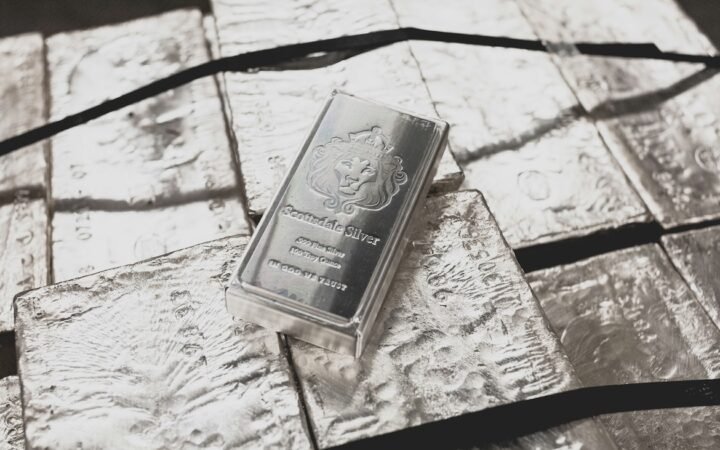
3 mins readSilver hits record highs in 2025 and push prices up 71%. Photo: Scottsdale Mint / Unsplash
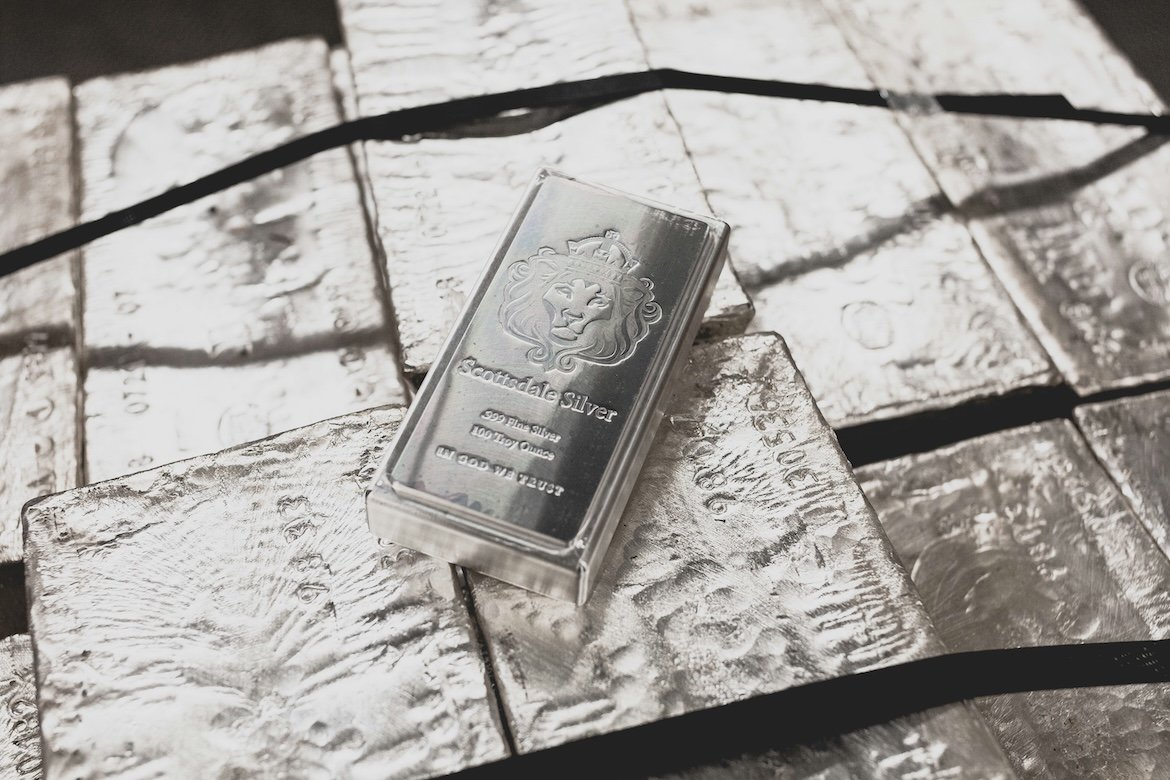
Silver, long known for its volatility and often referred to as the “Devil’s metal,” has become one of 2025’s standout performers. Prices surged to a record $54.47 per ounce in mid-October, marking a 71% year-on-year gain, outpacing gold’s 54% increase. Despite some recent pullbacks, silver has resumed its upward trend as supply shortages deepen and demand accelerates from both investors and industry.
Analysts say this year’s rally differs from past cycles because it reflects structural shortages, rising industrial consumption, and a sharp rebound in demand from India, the world’s largest silver consumer. With mine production declining for a decade and major vaults running low, many market participants believe silver’s strength is far from over.
Why Supply Is Tightening Faster Than Expected
A crucial driver behind the 2025 surge is the sustained decline in global mine output. According to industry estimates, production has been slipping for ten years due to mine closures, resource depletion, and infrastructure challenges, particularly in Central and South America. The supply shortfall has now reached a point where inventories are being drawn down at a rapid pace.
London’s silver vaults – historically one of the world’s key supply hubs – illustrate the shift. Holdings fell from 31,023 metric tons in mid-2022 to about 22,126 metric tons by early 2025, a drop of roughly one-third. By this autumn, analysts reported that “there was no available metal left in London,” pushing borrowing costs for traders to extreme levels. At one point, overnight silver lease rates soared to 200% annualized, underscoring the tightness of available supply.
Physical shortages intensified further as India entered its seasonal buying period following the monsoon and ahead of Diwali. Silver remains an affordable store of value for millions of rural households, and demand surged so sharply that domestic prices in India hit a record 170,415 rupees per kilogram, up 85% since January.
Adding pressure, around 80% of India’s silver is imported, with supply from the UAE, China, and the U.K. struggling to keep pace as inventories thin.
Industrial Demand and What It Means for Future Prices
Although overall industrial silver consumption is expected to dip slightly in 2025, demand remains robust across key growth sectors, including electric vehicles, AI components, and solar photovoltaics. Each EV currently uses about 25–50 grams of silver, but experts warn that next-generation solid-state silver batteries could push usage to 1 kilogram per vehicle, dramatically reshaping demand trajectories.
Silver also holds unique properties – the highest electrical and thermal conductivity of any metal – making it increasingly indispensable in high-performance electronics and renewable technologies.
Analysts say this combination of precious-metal appeal and industrial necessity is reshaping silver’s role in global markets. With underlying deficits forming and inventories shrinking, prices may stay elevated longer than in previous cycles and could continue climbing if industrial adoption accelerates.
Deutsche Bank increased its 2026 gold price forecast to $4,450 per ounce, citing stronger investor flows and persistent central-bank buying that continue to tighten supply.
By Oleg PetrenkoUpdated
3 mins readDeutsche Bank raises 2026 gold price forecast to $4,450/oz. Photo: Hennie Stander / Unsplash
Gold’s long-running rally regained momentum this week after Deutsche Bank raised its 2026 price forecast to $4,450 per ounce, up from its previous estimate of $4,000. The bank also projected a $3,950–$4,950 trading range for next year, putting the upper bound roughly 14% above current levels for December 2026 COMEX futures.
The upgrade reflects what analysts described as a “positive structural picture” in the market, driven by stabilizing investor flows, renewed ETF interest, and ongoing central-bank accumulation. With demand continuing to outpace available supply, the bank said the backdrop supports higher long-term prices even as short-term volatility persists.
Drivers Behind the Upgraded Outlook
Deutsche Bank pointed to several factors influencing its revised view, starting with the resilience of central-bank buying, which remains one of the strongest pillars of the gold market. The accumulation trend, prominent since 2022, has persisted into 2025 as countries diversify reserves away from the U.S. dollar and increase strategic holdings.
ETF inflows have also begun to stabilize following a period of outflows earlier in the year. The bank noted that both central banks and ETF investors are now absorbing a meaningful portion of global supply, leaving less physical metal available for the jewelry segment, traditionally one of the largest demand sources.
Analysts emphasized that this shift underscores a deeper, structural change in gold’s role in global portfolios. Rather than being driven primarily by sentiment, demand increasingly reflects policy dynamics, reserve management decisions, and long-term diversification strategies.
This structural tightening is occurring against a backdrop of persistent macro uncertainty, including shifting expectations for Federal Reserve rate cuts, geopolitical tensions, and ongoing concerns around global fiscal sustainability. Together, these factors continue to support gold’s attractiveness as a long-duration hedge.
Market Implications and What Investors Should Watch
With gold trading near historic highs, Deutsche Bank’s forecast reinforces expectations that tight supply and strong macro demand could keep prices elevated into 2026. However, analysts noted that next year’s projected $3,950–$4,950 range still implies significant volatility, particularly as markets recalibrate around future interest-rate decisions.
Investor reaction is expected to center on three key variables:
the pace of Federal Reserve easing in 2026,
the durability of central-bank purchases, and
whether ETF flows accelerate or remain stable.
Any slowdown in central-bank buying could pressure prices, but Deutsche Bank argued that long-term commitments from emerging-market reserve authorities make that scenario unlikely in the near term.
For investors, the bank’s outlook supports the case for maintaining or increasing exposure to gold as part of a diversified portfolio – especially amid ongoing fiscal and geopolitical risks that may continue to challenge traditional assets.
Alibaba released its new Quark AI smart glasses priced from $265 to $536, signaling a major push into consumer AI hardware as global competition with Meta heats up.
By Oleg PetrenkoUpdated
3 mins readAlibaba’s new Quark AI glasses, priced up to $536. Qwen AI to bring voice-controlled computing to wearers. Photo: zhang hui / Unsplash
Alibaba has entered the consumer AI hardware race with the commercial launch of its Quark AI Glasses, a new wearable designed to compete directly with Meta and other global tech players. The glasses, which first debuted earlier this year, are now on sale in China in two versions: the S1, priced at 3,799 yuan (about $536), and the G1, priced at 1,899 yuan (about $265).
The release underscores Alibaba’s broader shift toward consumer AI products at a time when tech companies are racing to define what comes after the smartphone. The company has integrated its Qwen AI models – its in-house alternative to ChatGPT – into the glasses, along with support for the newly launched Qwen app, giving users hands-free access to AI tools through voice commands.
Features, Pricing, and Alibaba’s Consumer AI Strategy
Alibaba said the lenses of the Quark glasses act as displays capable of overlaying information directly in the user’s field of view. Both models include a camera integrated into the frame, but the S1 features a more advanced display system compared with the G1.
The device supports real-time translation, AI-generated meeting summaries, visual product recognition, and interactive virtual assistant capabilities. Users can photograph items via the built-in camera and instantly receive pricing information from Taobao, Alibaba’s leading e-commerce platform.
The launch positions Alibaba directly against global competitors such as Meta, which recently introduced its $799 Ray-Ban Display smart glasses, and domestic rivals including Xiaomi and Xreal. Analysts view smart glasses as one of the most promising next-generation interfaces, with global shipments of AI-enabled glasses expected to exceed 10 million units by 2026, more than double 2025 levels.
For Alibaba, Quark is the latest extension of a renewed consumer AI ecosystem built around the Qwen model family. The company has already seen strong early traction for its AI software: the Qwen app reached 10 million downloads in its first week of public beta. Meanwhile, Alibaba Cloud – where the company books most of its AI-related revenue – reported an acceleration in growth last quarter.
Competitive Landscape and Market Outlook
The global smart-glasses market remains small but is expanding rapidly as companies experiment with mixed-reality displays, wearable AI assistants, and real-time computing interfaces. Alibaba enters the segment with strong AI capabilities but faces intense competition, especially from Meta, Google, and Apple’s broader ecosystem influence.
Still, Alibaba’s first-mover position in China gives it a strategic advantage in the world’s largest consumer electronics market. Analysts say the company’s ability to link AI hardware with its enormous commerce and cloud platforms could create a uniquely integrated experience for users and developers.
The Quark AI Glasses go on sale first in China, with no announced timeline for international availability. If demand proves strong domestically, a global rollout would represent Alibaba’s most significant hardware expansion since the launch of its smart-speaker line several years ago.
Puma shares jumped sharply after reports that Anta Sports and other Asian athletic brands are exploring a potential acquisition of the German sportswear company.
By Oleg PetrenkoUpdated
3 mins readShares surged on reports that Anta Sports is exploring a buyout, adding pressure to CEO Arthur Hoeld’s turnaround efforts. Photo: Oleg Petrenko / MarketSpeaker
Puma shares surged as much as 16% on Thursday after reports that China’s Anta Sports is considering a bid for the struggling German athletic brand. The potential interest, which may also come from Li Ning and Asics, has reignited speculation about Puma’s future amid a challenging year for the company.
The stock has fallen more than 50% year to date, pressured by weak brand momentum, intense competition in the global sportswear market, and ongoing U.S. tariffs that have dampened consumer sentiment. The sharp rally on the takeover report marks one of Puma’s largest single-day moves of the year.
Turnaround Challenges and Ownership Roadblocks
The company has been undergoing a significant restructuring under CEO Arthur Hoeld, who took the helm on July 1. His turnaround plan includes job cuts, a more streamlined product lineup, and improvements to global marketing operations. Puma has acknowledged that recovery will take time as it works to strengthen brand visibility and better manage high inventory levels.
In late October, Puma set an ambitious goal of becoming a “Top 3 global sports brand”, despite reporting quarterly sales that declined by double digits. Management identified several headwinds: a muted brand narrative, tariff-related pressures in the U.S., and lingering excess stock across key markets.
A takeover, however, would require navigating one major hurdle – Puma’s largest shareholder, Artemis, which controls 29% of the company. Artemis, owned by the Pinault family and also the largest shareholder of luxury group Kering, has been expanding its investment footprint and taking on additional debt. Analysts note that Artemis’ valuation expectations may pose a significant obstacle to any acquisition deal.
Market Reaction
Investors welcomed the news of potential buyout interest, interpreting it as a vote of confidence in Puma’s long-term potential despite near-term operational strain. A takeover from an Asian sportswear powerhouse – particularly Anta, which has grown aggressively through acquisitions – could reshape Puma’s global strategy and accelerate market expansion in China.
However, the companies reportedly involved have not commented publicly, and no formal proposals have been made. Analysts caution that the process remains at an early stage and may not result in a transaction, particularly given Puma’s shareholder dynamics and valuation complexities.
Still, Thursday’s rally underscores how investor sentiment can shift quickly for cyclical consumer brands, especially those undergoing high-stakes restructuring while facing takeover speculation. For Puma, the coming months will reveal whether interest from Anta or other firms materializes or whether CEO Hoeld must continue steering the turnaround independently.
A Singapore teen launched a handyman website for $23 at age 16. A decade later, the brothers behind Repair.sg run a business generating more than $1.3 million a year and employing over 20 staff.
By Oleg PetrenkoUpdated
3 mins read$23 domain has grown into a $1.3M-a-year business, highlighting rising interest in skilled trades among Gen Z. Photo: Repair.sg
At 16 years old, all Zames Chew spent was 30 Singapore dollars – roughly $23 – to buy a domain name. Nearly a decade later, the Singapore-based handyman company he founded with his younger brother, Amos, generates 1.7 million Singapore dollars (about $1.3 million) in annual revenue and employs more than 20 people.
Repair.sg, a once-quiet side hustle built between classes and late-night customer messages, is now on track to reach around $2.3 million in revenue next year, according to company financials reviewed by CNBC Make It.
The path was far from conventional. The Chew brothers originally imagined white-collar careers. But a simple search for a household repair service in 2016 – and finding no reliable online options – sparked an idea that sent their lives in an entirely different direction.
How a Teen Project Became a Fast-Growing Business
The early days of Repair.sg were defined by long hours, little pay, and a DIY education in licensing and technical expertise. While still in school, the brothers fit jobs between classes, often waking up at 4 a.m. to respond to customer messages. They repaired lights, fixed furniture, and took almost any job offered.
What outsiders didn’t see, Zames says, was the substantial training behind such work. Electrical repair, plumbing, and installation services require certifications, safety protocols, and specialized knowledge – far more than “just grabbing a screwdriver.”
For seven years, the business teetered on the edge of survival. The brothers say they lacked structure, priced jobs poorly, and accepted clients they later realized they should have declined. But in 2021, they formally committed to scaling the company and chose not to attend university, pouring all their time into the business.
That decision marked a turning point. Repair.sg’s revenue accelerated, staffing expanded, and operational processes matured. What began as a side project gradually evolved into a polished, high-demand service business.
A Generation Rewrites the Blue-Collar Narrative
The Chew brothers are part of a wider trend: more young adults are looking beyond traditional white-collar paths and embracing skilled trades or entrepreneurship. Yet stigma persists. Zames recalls customers telling them directly that “blue-collar work is for people who didn’t make it.” For years, the brothers hid their business out of insecurity.
Today, those doubts have faded. Zames says the work provides clear value, generates strong income, and gives him the rare chance to build a company with his closest collaborator – his brother.
The journey reflects a broader shift happening globally: the reconsideration of skilled labor not as lesser work, but as a legitimate path to high earnings, autonomy, and long-term opportunity.
Gold climbed over 1% to its highest level in nearly two weeks after soft U.S. economic data strengthened expectations of a Federal Reserve rate cut next month, lifting demand for non-yielding bullion.
By Oleg PetrenkoUpdated
2 mins readGold climbed over 1% to its highest level in nearly two weeks. Photo: Marko Ivanov / Unsplash
Gold prices advanced sharply on Wednesday, rising more than 1% and approaching a two-week high as fresh U.S. economic data strengthened bets that the Federal Reserve could cut interest rates at its upcoming meeting. Spot gold traded around $4,172 per ounce, its highest level since mid-November, while U.S. December gold futures rose to $4,168 per ounce.
The move reflects renewed appetite for non-yielding safe-haven assets at a time when investors are increasingly confident that slowing economic momentum will prompt the Fed to begin easing as early as next month. Lower interest rates tend to weaken the U.S. dollar and reduce the opportunity cost of holding gold, supporting higher prices.
Why Gold Is Climbing
Market participants interpreted the latest flow of U.S. data – including moderating output indicators and easing labor-market signals – as another sign the economy is cooling without slipping into recession. This combination has bolstered expectations for a rate cut, which in turn has revived momentum across the precious-metals complex.
Traders also pointed to steady physical demand in Asia and lingering geopolitical risks as additional factors underpinning bullion’s resilience. Even with recent price volatility, gold has remained elevated near record levels for much of the quarter.
What Investors Are Watching Next
As mentioned, the focus now turns to upcoming U.S. inflation data and commentary from Fed officials, both of which could either reinforce or challenge the market’s current expectations. Key questions include:
Whether incoming data supports a December rate cut.
If the dollar retreats further, providing additional support to gold.
How physical demand trends evolve in China and India, two major buyers.
For now, traders say the path of least resistance appears tilted upward, with rate-cut optimism keeping gold well-bid as the year draws to a close.
China’s net gold imports via Hong Kong fell sharply in October, sliding about 64% from September as softer domestic demand and high global prices curbed buying activity.
By Oleg PetrenkoUpdated
2 mins readChina’s gold imports through the Hong Kong fell sharply in October as domestic demand cooled. Photo: Oleg Petrenko / MarketSpeaker
China’s net gold imports via Hong Kong dropped sharply in October, signaling a slowdown in physical demand from the world’s largest bullion consumer. According to data from Hong Kong’s Census and Statistics Department, net imports fell nearly 64% month over month, marking one of the steepest declines this year.
The downturn comes as elevated global gold prices – which remain historically high – continue to weigh on retail consumption. Domestic premiums in China, typically an indicator of local demand strength, narrowed notably during the month, reinforcing signs that buyers have become more cautious.
October’s numbers also reflect weaker seasonal demand compared with earlier months, when purchases tend to rise ahead of key holidays. While China still absorbs significant amounts of global bullion, the latest import slump suggests a cooling phase after months of robust buying.
Drivers Behind the Sharp Decline
The steep fall in imports was driven by a combination of high global prices, softer economic conditions, and easing retail activity. Chinese consumers have faced persistent macro uncertainty, prompting households to prioritize savings over discretionary purchases, including jewelry and investment-grade gold.
Refiners and wholesalers also reduced shipments amid weaker premiums and slower turnover. Analysts say the pullback is consistent with volatility in the global market, where bullion has struggled to find direction amid shifting expectations for U.S. interest-rate cuts.
Meanwhile, broader financial flows may have contributed to a recalibration of China’s import patterns, particularly as authorities manage currency pressures and ensure stable liquidity conditions.
What Market Participants Are Watching Next
The focus now shifts to whether physical demand rebounds in late Q4 and early 2026. Key signals include:
Movement in Chinese gold premiums, which could indicate restocking.
Shifts in global bullion prices, especially if rate-cut expectations strengthen.
Potential import normalization, as refiners adjust inventory strategies.
A sustained decline in Chinese demand would have broader implications for global bullion markets, given China’s outsized role in physical gold consumption.
Nvidia shares fell after reports that Meta is considering buying Google’s AI chips, raising concerns that the industry’s largest GPU buyer may diversify away from Nvidia.
By Oleg PetrenkoUpdated
2 mins readMeta may buy Google’s AI chips pressured Nvidia shares as investors assess rising competition. Photo: Meta / Facebook
Nvidia shares fell on Tuesday after reports indicated that Meta is in discussions to spend billions of dollars on Google’s AI chips. The development sparked concern that one of Nvidia’s largest GPU customers may begin diversifying its AI infrastructure, potentially reducing long-term reliance on Nvidia’s industry-leading accelerators.
The report suggested that Meta is evaluating Google’s custom AI chips as part of a broader plan to build a more resilient supply chain. Any move of this scale would mark a significant competitive advance for Alphabet, which has been intensifying efforts to challenge Nvidia’s dominance in the AI computing market.
Nvidia, which has benefitted from unprecedented demand for its H100 and Blackwell chips, saw its stock decline as investors weighed the possibility of shifting procurement patterns among top tech firms.
Why Meta’s Interest in Google Chips Matters
Meta is one of the world’s largest buyers of Nvidia GPUs, investing heavily each year to support its AI models and data-center expansion. A pivot toward Google’s custom silicon – even partially – would send a strong signal that major platforms are seeking alternatives amid soaring costs and supply constraints.
Google has spent years developing its Tensor chips, but landing Meta as a commercial customer would represent its most meaningful hardware win to date. Such a partnership would validate Google’s chip roadmap and could inspire other hyperscalers to explore additional sourcing options.
This comes as tech giants increasingly pursue dual-sourcing strategies to avoid supply bottlenecks and reduce dependency on a single vendor – particularly as AI workloads scale into the trillions of parameters.
How the Market Could Shift
Nvidia’s stock pullback underscores investor sensitivity to signs of rising competition. Markets will be watching for:
Official confirmation from Meta and Google, which could further shift expectations.
How much of Meta’s infrastructure might transition to Google chips – full deployment vs. targeted workloads.
Nvidia’s commentary in upcoming earnings, particularly regarding long-term demand visibility.
Reactions from other hyperscalers, including Amazon, Microsoft and Oracle, which are also developing or adopting custom AI chips.
If Meta begins allocating billions toward Google hardware, Nvidia’s revenue concentration risk becomes more visible – even as demand for its accelerators remains strong.
Gold prices declined after a stronger-than-expected U.S. labor report and a firmer dollar, which reduced expectations of an imminent interest-rate cut by the Federal Reserve.
By Oleg PetrenkoUpdated
2 mins readBullion is under pressure after stronger U.S. employment data dampened rate-cut expectations. Photo: Anne Nygård / Unsplash
Gold prices fell this week after the U.S. posted a surprise jobs gain that bolstered expectations of a delayed interest-rate cut. Spot gold dropped about 0.9% to $4,039.86 per ounce, putting it on track for a weekly decline of roughly 1%. U.S. gold futures for December delivery slid around 0.6% to $4,035.60. The U.S. dollar strengthened, making gold more expensive for non-dollar buyers.
The U.S. Labor Department reported non-farm payrolls increased by 119,000 in September – more than double the 50,000 consensus forecast – reinforcing the view that the Fed may hold off on further easing. Traders now assign just around a 39% chance of a rate cut next month, down from significantly higher levels earlier this year.
Rates, Dollar Strength and Bullion Pressure
Gold, a non-yielding asset often used as a hedge against low-rate environments, faces headwinds when yield-bearing assets become more attractive. The stronger dollar and firm employment data suggest the Fed could delay easing, making safe-haven gold less compelling.
Fed officials, including Chicago Fed President Austan Goolsbee, have expressed unease about front-running rate cuts amid stubborn inflation, adding to the caution among investors. Meanwhile, weak physical demand in major Asian markets further weighed on bullion’s appeal.
What Investors Should Watch
Now eyes turn to upcoming inflation data, further labor-market readings and Fed commentary. A delayed or absent rate cut in December could keep pressure on gold, while any sign of renewed dovishness would offer bullion a catalyst for revival.
Market watchers should also monitor positioning in gold-backed ETFs and central-bank buying flows: sustained support here could cushion downside even as macro odds shift. For now, gold appears stuck in a consolidation phase until stronger signals from policy or demand emerge.
Elon Musk released a video showing Optimus robots performing roles from construction to medicine, fueling debate over Tesla’s broader ambitions in humanoid automation. The company has not clarified the clip, but prior comments suggest Musk sees robots as central to future economic productivity.
By Oleg PetrenkoUpdated
3 mins readTesla push into real-world automation and the potential expansion of the Optimus program. Photo: Will Ma / Unsplash
Elon Musk has ignited a fresh wave of speculation about Tesla’s humanoid robot strategy after posting a new video showcasing multiple Optimus units performing an array of real-world tasks. The clip features robots acting as construction workers, medical staff, police officers, kitchen assistants, martial artists and even poker players. Musk offered no commentary alongside the footage, leaving analysts and observers to interpret the message.
The post arrives amid Musk’s repeated claims that Optimus could reshape labor markets by taking over routine physical work. He has previously argued that humanoid robots could eliminate poverty by enabling a universal high income through ultra-high productivity. The latest video appears intended to reinforce the scale of that vision.
Growing Ambitions for Tesla’s Robotics Program
Musk has long framed robotics as one of Tesla’s most important long-term growth drivers, stating that Optimus could ultimately surpass all other divisions in value. According to earlier comments, he expects future robots to perform tasks ranging from manufacturing to healthcare support, serving as general-purpose labor in households and workplaces.
Reports have also suggested that Tesla is preparing to ramp up development substantially. Outlets such as Wired have previously indicated that Musk aims to begin producing large numbers of robots as early as late 2026, positioning Tesla for mass deployment once the technology matures. The new video supports the narrative that Tesla is accelerating real-world testing and public messaging.
The range of roles depicted – spanning safety, service, construction and entertainment – signals that Tesla is positioning Optimus not merely as a factory assistant but as a multi-sector platform. This aligns with Musk’s stated goal of building robots capable of understanding and acting across complex, dynamic environments.
Economic, Market and Workforce Implications
The rise of humanoid automation has significant implications for global labor markets. If Tesla succeeds in deploying Optimus at scale, industries such as logistics, healthcare support, security services and food preparation could see rapid transformation. Economists note that such technology could increase productivity but also raise questions about job displacement and income distribution.
Investors are watching closely. If a commercially viable Optimus emerges, it could reshape Tesla’s revenue mix, potentially expanding the company beyond automotive and energy into industrial robotics – a sector expected to grow sharply as companies automate to cut costs and fill labor shortages.
Still, major uncertainties remain. The capabilities shown in promotional videos don’t necessarily reflect readiness for mass deployment. Safety, regulation, costs and real-world reliability remain major hurdles. Analysts say Tesla must demonstrate consistent performance outside controlled environments before Optimus can scale meaningfully.
As Musk continues to preview the future of humanoid automation, the latest video serves as both a signal of ambition and a reminder that the competition in AI-driven robotics is intensifying.
Deutsche Bank is re-establishing its presence in global precious-metals trading after a hiatus, generating well over $100 million in first-half revenues and signalling a strategic shift toward bullion markets.
By Oleg PetrenkoUpdated
2 mins readDeutsche bank makes gold trading comeback with bumper earnings. Photo: Arda Can Yıldız / Unsplash
Deutsche Bank has made a notable return to the precious-metals market, reviving its gold-trading business and posting significant earnings after having largely withdrawn in recent years. The bank’s metals-trading desk generated well over $100 million in revenue during the first half of the year, driven by arbitrage opportunities in bullion markets, insiders said.
This performance places Deutsche Bank among the select few global banks actively competing in gold trading once again, standing alongside long-time market-makers in a segment marked by heightened volatility and structural change.
Strategic Re-Entry in Bullion Markets
The resurgence marks the bank’s intention to rebuild its role after nearly a decade away from the front line of bullion dealing. Traders at Deutsche cited tariff-driven supply dislocations and elevated volatility as favourable conditions for metals arbitrage. The bank’s re-entry into gold comes at a time when demand for safe-haven assets is elevated and global hedge flows are increasing.
Metals trading is part of the bank’s broader strategy to diversify its trading revenue streams and reduce reliance on traditional banking income. The return to gold also signals confidence in the metals market’s structure and the ability to leverage Deutsche’s existing institutional infrastructure.
Implications for Markets, Metals & Banking
Deutsche Bank’s successful comeback carries important implications for the metals market and the global banking sector alike. For the bullion market, the re-activation of a major player means deeper liquidity, narrower spreads and potentially more efficient global price discovery.
For banking, it highlights how financial firms are recalibrating business models to capture returns in legacy asset-classes as interest-rate and credit markets evolve. Observers note that Deutsche’s decision may encourage other large institutions to re-evaluate metals desks previously cut after regulatory and profitability pressures.
Bullion investors should watch closely how this increased supply-side activity influences gold-price action going forward. The arrival of new liquidity and trading capacity could alter the dynamics of how gold reacts to macro triggers such as inflation data or central-bank policy shifts.
The move underscores that metals trading remains a strategic frontier for banks seeking differentiated revenues – particularly in an era of compressed margins elsewhere.
Eli Lilly crossed a $1 trillion market capitalization for the first time, powered by booming demand for its diabetes and weight-loss drugs.
By Oleg PetrenkoUpdated
2 mins readEli Lilly hits $1 trillion market value, a first for a health-care company. Photo: Eli Lilly and Company / Facebook
Eli Lilly & Co. has become the first health-care company in history to surpass a $1 trillion market valuation, driven by extraordinary demand for its GLP-1 diabetes and weight-management drugs. The milestone places the 148-year-old pharmaceutical firm alongside the world’s most valuable technology companies, signaling a major shift in market leadership.
Lilly’s shares rallied to new highs before modestly easing, reflecting investor conviction that its obesity- and diabetes-treatment franchise represents one of the strongest growth engines in global health care. The achievement caps a multiyear transformation in which the company evolved from a traditional drugmaker into a dominant force in metabolic medicine.
Weight-Loss Drug Boom Drives Record Valuation
The surge in Lilly’s valuation stems from explosive sales of its GLP-1 therapies, which have reshaped both medical practice and consumer demand. Recent quarterly revenue from the company’s leading treatments exceeded $10 billion, making them one of the fastest-growing pharmaceutical categories on record. Total quarterly revenue climbed to $17.6 billion, underscoring the franchise’s outsized contribution.
Industry analysts expect the global obesity-drug market to approach $150 billion by 2030, with Lilly projected to capture a substantial share. Ongoing development of an oral formulation and expanded access programs continue to strengthen the company’s long-term growth outlook.
As a result, Lilly is now viewed not merely as a pharmaceutical producer but as a cross-industry disruptor – one whose growth dynamics mirror those of major technology companies.
Implications for Investors and Sector Dynamics
Lilly’s entry into the trillion-dollar club signals a structural shift for both equity markets and the health-care sector. For investors, it marks a rare moment in which a pharmaceutical company – not a tech firm – leads global market-cap rankings.
The milestone heightens expectations for flawless execution. Continued momentum will require sustained clinical success, regulatory approvals, and expansion of manufacturing capacity to meet global demand. Any slowdown could trigger rapid valuation resets.
Lilly’s rise is also expected to intensify competition across the weight-loss drug category, encouraging rivals to accelerate development, pursue acquisitions, or strengthen partnerships to keep pace.
As previously covered in related market analyses, the company’s strategic overhaul – expanding R&D capacity, scaling production, and refocusing its pipeline – laid the groundwork for this ascent. Today’s valuation milestone reflects the culmination of that long-term repositioning.
Join our list to receive latest Blockchain, Crypto & Fintech news:
Deprecated: Optional parameter $count declared before required parameter $exclude_symbols is implicitly treated as a required parameter in /home/u752143311/domains/marketspeaker.com/public_html/wp-content/themes/ms/page-sections/coins-price-cmc-widget-new.php on line 43
WordPress database error: [Table 'u752143311_Kem9N.wp_coingecko_coins' doesn't exist]
            SELECT coins.*, meta.post_id as post_id
            FROM `wp_coingecko_coins` coins
            INNER JOIN wp_postmeta meta ON (meta.meta_key = 'wpcf-coin-main-tag' AND meta.meta_value = coins.slug )
            ORDER BY market_cap_usd
            DESC LIMIT 9

 By Oleg Petrenko
Updated
3 mins read
By Oleg Petrenko
Updated
3 mins read